Amid mounting challenges related to energy security, volatility in global energy markets, and the urgent need to enhance the efficient use of energy across the economy, the directive underscores the importance of expediting the transition toward electric mobility. These efforts are aimed at safeguarding national energy security and fulfilling sustainable development objectives.
The Prime Minister has requested ministries, agencies, and local authorities to intensify the implementation of comprehensive energy-saving measures. Energy conservation is to be regarded as a critical solution to alleviating pressure on the energy supply, particularly in the context of ongoing fluctuations in the global energy market.
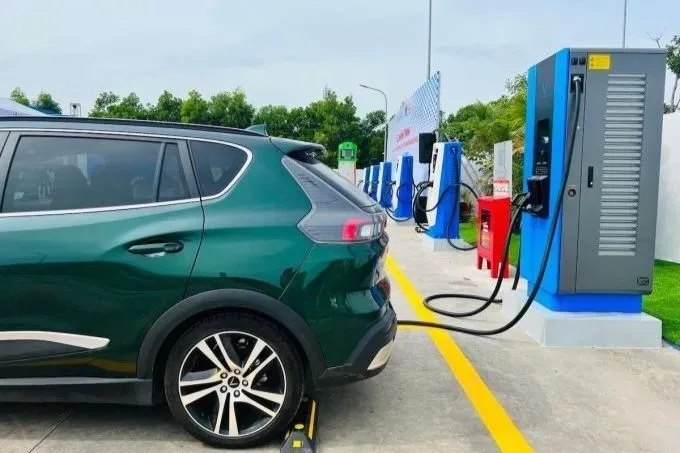
In addition, the directive calls for accelerating the transition to electric vehicles, developing charging infrastructure, and encouraging the use of biofuels to reduce dependence on imported petroleum.
The Prime Minister has instructed the development of a nationwide electric charging network, alongside the study and formulation of mechanisms and policies to incentivize the production and adoption of electric vehicles. Public transport fleets and official-duty vehicles are to be gradually converted to electricity-based operations.
The Prime Minister has assigned the Ministry of Industry and Trade to closely monitor developments in the global energy market and promptly report to the Government and the Prime Minister on appropriate and effective regulatory measures. The ministry is also tasked with directing energy production and trading enterprises to urgently implement solutions and secure supplies of petroleum, electricity, and gas, ensuring adequate provision for socio-economic development and people’s livelihoods—particularly amid current supply disruptions—and maintaining sufficient energy supply under all circumstances.
The directive clearly states the need to promote the use of biofuel gasoline (E10) and to review relevant conditions in order to promptly implement a roadmap for transitioning to E10 fuel within April, with a view to reducing mineral gasoline consumption by 10 percent.
The Ministry of Construction is tasked with encouraging urban development and parking projects to integrate charging infrastructure for electric vehicles, while coordinating with local authorities to advance the development of electric public transport systems in major urban centers.
Meanwhile, the Ministry of Finance will collaborate with the Ministry of Industry and Trade in formulating and submitting to the Government a fund to promote energy efficiency and conservation, targeted for completion in 2026. The ministry is also required to urgently study and promulgate, within its authority, financial incentive mechanisms for energy-saving projects by June. In addition, it will develop and issue policies to encourage the production and use of electric vehicles, also to be completed within the same timeframe.
People’s Committees of provinces and cities are required to formulate and promulgate, within their authority, mechanisms and policies to encourage enterprises to invest in electric vehicle charging stations, in line with local conditions, with completion targeted by September. They are also tasked with supplementing planning frameworks and mandating the allocation of charging infrastructure within urban areas and construction projects.
In addition, local authorities are to develop and issue incentive mechanisms and policies to promote the deployment of electric buses, electric taxis, and other environmentally friendly transport modes, which are to be finalized by September.