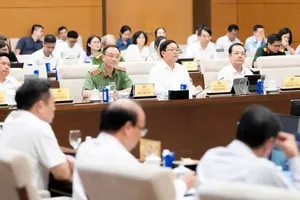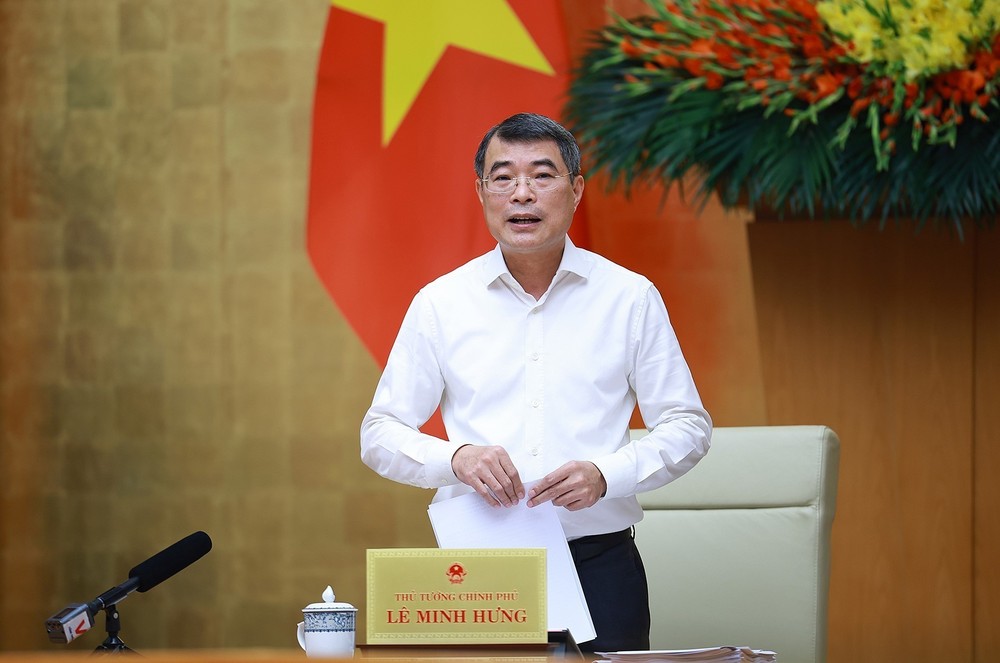
Opening the session, the Prime Minister noted that this is the first regular Government meeting of the 16th tenure, underscoring the need for an accurate and comprehensive assessment of socio-economic developments in early 2026, particularly in April, alongside the formulation of timely policy responses for May and beyond.
Based on reports submitted to participants, discussions will focus on socio-economic performance, public investment disbursement, the implementation of national target programs, and other key issues.
The Government will also review proposed revisions to its working regulations to ensure more structured, disciplined, and effective operations, in line with the Constitution, laws, and Party regulations, while reinforcing its role as a facilitating, service-oriented administration.
Regarding the socio-economic performance, PM Le Minh Hung called for an in-depth analysis of emerging challenges, particularly inflationary pressures, including imported inflation and the impact of global fuel and commodity price fluctuations. He urged a thorough evaluation of fiscal and monetary policy management, as well as price control measures, to propose timely and flexible solutions.
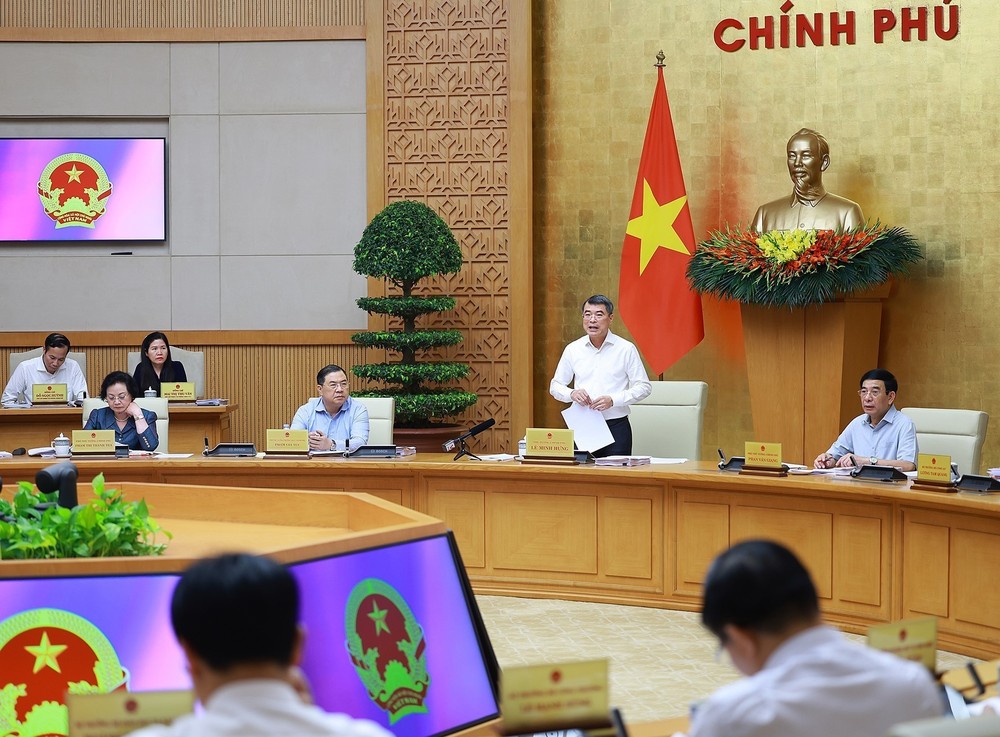
He stressed the need to proactively respond to external shocks, strengthen economic resilience, maintain macroeconomic stability, and keep inflation under control.
On trade, the PM requested a detailed review of export-import growth, structure, trade balance, and foreign exchange stability, alongside measures to diversify markets and promote sustainable exports.
He also ordered comprehensive assessments across key sectors such as agriculture, services, and the environment, with a focus on boosting production, enhancing value addition, and strengthening export capacity. Social sectors, including education, healthcare, and culture, were also highlighted as essential contributors to overall socio-economic development.
In terms of defense, security, and foreign affairs, the PM pointed to increasingly complex global and regional dynamics, urging relevant ministries and agencies to develop appropriate response scenarios and report promptly to competent authorities.
On public investment and national target programs, he emphasized accelerating capital allocation and disbursement while improving efficiency, particularly for urgent priorities such as ensuring access to clean water in remote and ethnic minority areas.
The Government leader also underscored the continued push for administrative reform, including cutting business conditions and simplifying procedures to improve the investment climate.
Notably, he called for a comprehensive review of the implementation of the Politburo's Resolution No. 57-NQ/TW on science and technology, innovation, and digital transformation, identifying bottlenecks and accelerating progress in the coming period.