The Minister of Agriculture and Environment is tasked with instructing local authorities to closely monitor production developments, improve forecasting capacity, strengthen pest control measures, and proactively respond to adverse weather conditions to protect crops, maintain planned yields and output, and reduce production costs.
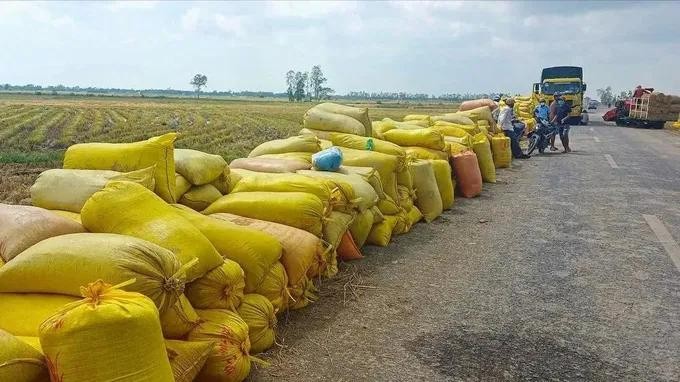
Prime Minister Pham Minh Chinh has called for coordinated actions to ensure stable rice production and sale amid evolving domestic and global conditions, according to an official dispatch issued by the Government.
Official Dispatch No. 21/CD-TTg highlighted that Vietnam’s rice production, trade and export activities have continued to post encouraging results. However, increasingly complex and unpredictable global and regional developments could affect global rice supply, demand and prices. Domestically, the peak winter–spring harvest in Mekong Delta localities has led to a drop in paddy purchasing prices compared with the same period last year.
Under the document, the Minister of Agriculture and Environment is tasked with instructing local authorities to closely monitor production developments, improve forecasting capacity, strengthen pest control measures, and proactively respond to adverse weather conditions to protect crops, maintain planned yields and output, and reduce production costs.
The Ministry of Agriculture and Environment (MAE) has been assigned to coordinate with the Ministry of Industry and Trade (MoIT), the Vietnam Food Association (VFA), the Vietnam Rice Industry Association (VIETRISA), and related stakeholders to strengthen links between businesses and farmers, promote proactive rice procurement, processing and exports, and ensure stable sale of commercial paddy.
Meanwhile, the MoIT is required to closely monitor and forecast export–import activities, consumption demand and food prices in regional and global markets to enable flexible management of rice trading and export operations, thereby improving export efficiency. The ministry will also lead inter-agency inspection teams to oversee rice procurement and trading activities, helping ensure market transparency and compliance with mandatory reserve regulations.
In parallel, trade promotion efforts will be intensified to expand exports to major and high-potential markets, diversify export destinations, and gradually reduce dependence on traditional importers. The ministry will also provide guidance on favourable export timing to enhance price competitiveness while promoting domestic rice consumption and diversifying rice-based products for both local and international markets.
The Ministry of Finance has been tasked with monitoring price movements and implementing market stabilisation measures within its authority. It will study solutions to ease logistics and export costs amid rising global shipping expenses, consider support policies for rice exporters, facilitate tax refunds and customs clearance, and develop an appropriate national rice reserve procurement plan to help stabilise domestic prices.
The State Bank of Vietnam has been directed to guide credit institutions in providing adequate capital at reasonable interest rates to support enterprises purchasing rice, particularly during peak harvest periods. Preferential credit policies will also be explored for businesses with strong storage and procurement capacity to boost temporary stockpiling for farmers.
The People’s Committees of provinces and cities are required to closely monitor local rice production and flexibly manage cultivation to meet or exceed output targets while ensuring compliance with Vietnam’s technical and food safety standards as well as those of importing markets.
Local authorities are also instructed to strengthen market management, step up inspection and supervision of trading activities by key enterprises and traders, and prevent price manipulation, profiteering and unfair competition.
Additionally, the PM assigned leaders of the VFA, VIETRISA, the Vietnam Northern Food Corporation, the Vietnam Southern Food Corporation, and rice export enterprises to increase rice procurement, particularly in major production areas in the Mekong Delta. Enterprises are encouraged to maximise storage and processing capacity for temporary stockpiling to support market stability, while enhancing market monitoring, forecasting and information sharing to promptly adjust business strategies in line with domestic and global market developments.