Authorities will take firm action against acts of hoarding or suspending sales without legitimate reasons.
On March 9, in response to the complicated developments in the global energy situation and the potential risk of disruptions to domestic fuel supply, the People’s Committee of Hanoi issued an official directive to municipal departments, sectors, local authorities, and enterprises to strengthen measures ensuring an adequate supply of petroleum products.
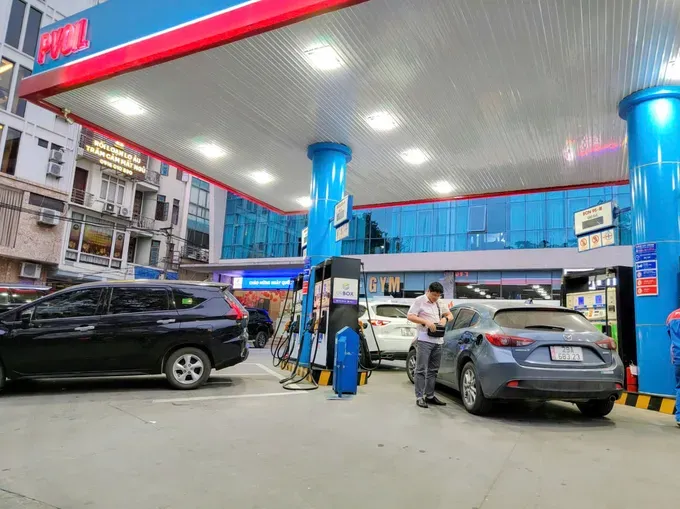
The municipal People’s Committee of Hanoi assigned the Department of Industry and Trade to take the lead in conducting strict inspections and supervision of petroleum trading activities. Fuel enterprises are required to strictly comply with legal regulations, particularly those concerning fuel quality, transparent price listing, and selling at the officially posted prices.
Authorities will decisively impose strict penalties on violations, including acts of hoarding, imposing unreasonable reductions in commissions, or suspending sales without legitimate reasons, which could lead to localized supply disruptions.
Meanwhile, People’s Committees of communes and wards are tasked with coordinating with the market surveillance force to closely monitor the operations of fuel retail outlets. They are also required to promptly assist with traffic regulation when large crowds gather to purchase fuel and to strictly handle the illegal roadside sale of gasoline in bottles or containers.
In addition, the municipal authorities of Hanoi also requested key petroleum suppliers, distributors, and fuel retailers to enhance their sense of responsibility by ensuring adequate and uninterrupted supplies for the distribution system. These enterprises must strictly comply with regulations on measurement standards, product quality, and operating hours at fuel retail outlets.
In addition, media agencies have been urged to step up communication efforts to provide timely information to the public, encourage the economical use of fuel, and promote the use of public transportation in order to ease pressure on the petroleum supply during the current period.