The expressway corridor linking HCMC with Van Phong in Khanh Hoa Province has significantly reduced travel time. Yet a critical bottleneck remains: the lack of properly developed rest stops. On many stretches, either no rest areas exist, or those in place fall short of standards, leaving drivers exhausted—especially during peak travel periods such as the April 30-May 1 holiday.
Battling fatigue behind the wheel
The HCMC–Van Phong Expressway spans more than 460 kilometers, comprising multiple sections: HCMC–Long Thanh–Dau Giay, Phan Thiet–Dau Giay, Vinh Hao–Phan Thiet, Cam Lam–Vinh Hao, Nha Trang–Cam Lam, and Van Phong–Nha Trang.
Although the route is now fully operational, its rest-stop infrastructure remains fragmented and underdeveloped. Long stretches—some exceeding 100 kilometers—offer no proper places for drivers to stop and recuperate.
This shortfall forces motorists to drive continuously for extended periods, particularly during holidays when traffic volume surges. Fatigue and drowsiness become inevitable, pushing many to pull over temporarily in emergency lanes or safety corridors.
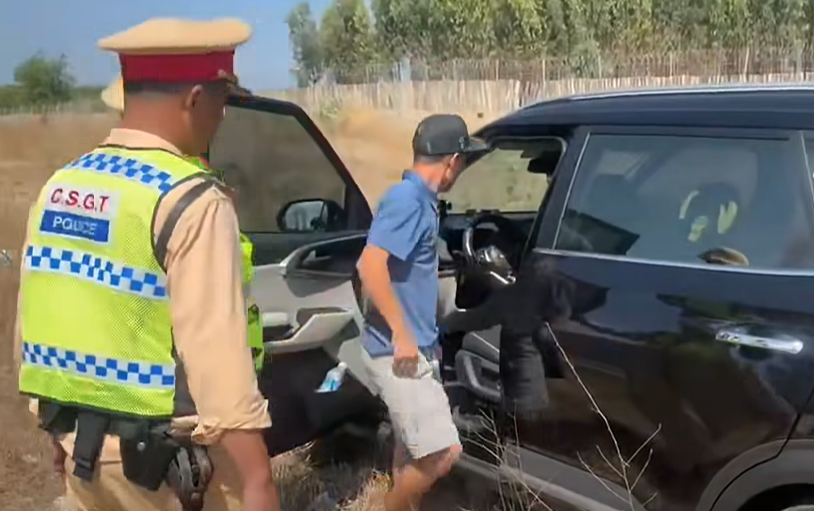
At around 2 p.m. on April 30, 2026, traffic police on the Vinh Hao–Phan Thiet section discovered a car stopped in a safety corridor. The driver said he had been driving for hours without rest and was too exhausted to continue. Officers assisted in escorting the vehicle to the nearest interchange so the driver could take a break.
According to the Traffic Police Department, stopping in emergency lanes or safety corridors is highly dangerous, as vehicles on expressways travel at high speeds and have limited time to react to unexpected obstacles.

Such incidents are becoming increasingly common. On March 12, 2026, another driver on the Vinh Hao–Phan Thiet route was fined and had points deducted from his license for parking in the emergency lane to sleep without activating hazard lights.
Earlier, in November 2024, a driver blatantly parked in the emergency lane on the same expressway and set up a roadside meal for seven people.
More alarmingly, in March 2026, a five-seat car stopped on the Cam Lam–Vinh Hao Expressway was struck by a truck, leaving three members of the same family dead or injured.
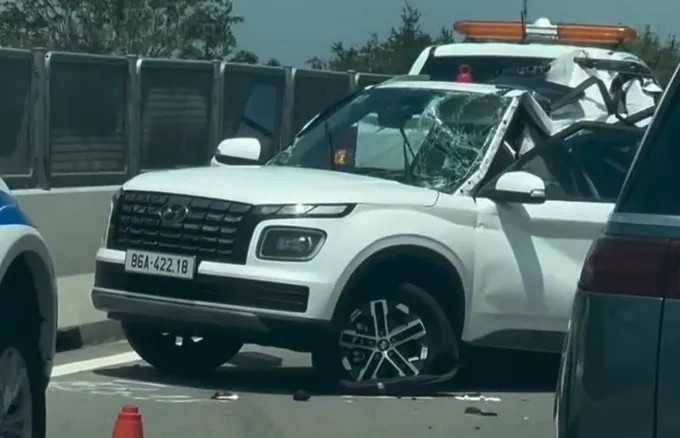
Nguyen Cong, a driver operating the HCMC–Nha Trang route, said some segments—such as Vinh Hao–Phan Thiet or Phan Thiet–Dau Giay—stretch nearly 100 kilometers without a proper rest stop. “Driving nonstop is exhausting, but there is nowhere safe to pull over,” he said.
Tran Quoc Minh, a contract driver, echoed the concern: “Sometimes you get so sleepy before reaching an interchange that you have no choice but to slow down or push through. Stopping in the emergency lane is illegal, but not stopping can be just as dangerous.”
Closing the infrastructure gap
Under national standards, expressways should provide a rest stop every 50 to 60 kilometers.
Currently, the HCMC–Long Thanh–Dau Giay section has a relatively complete rest area at Km41+200 in both directions, offering food services, restrooms, and parking. However, its fuel station is temporarily out of service.
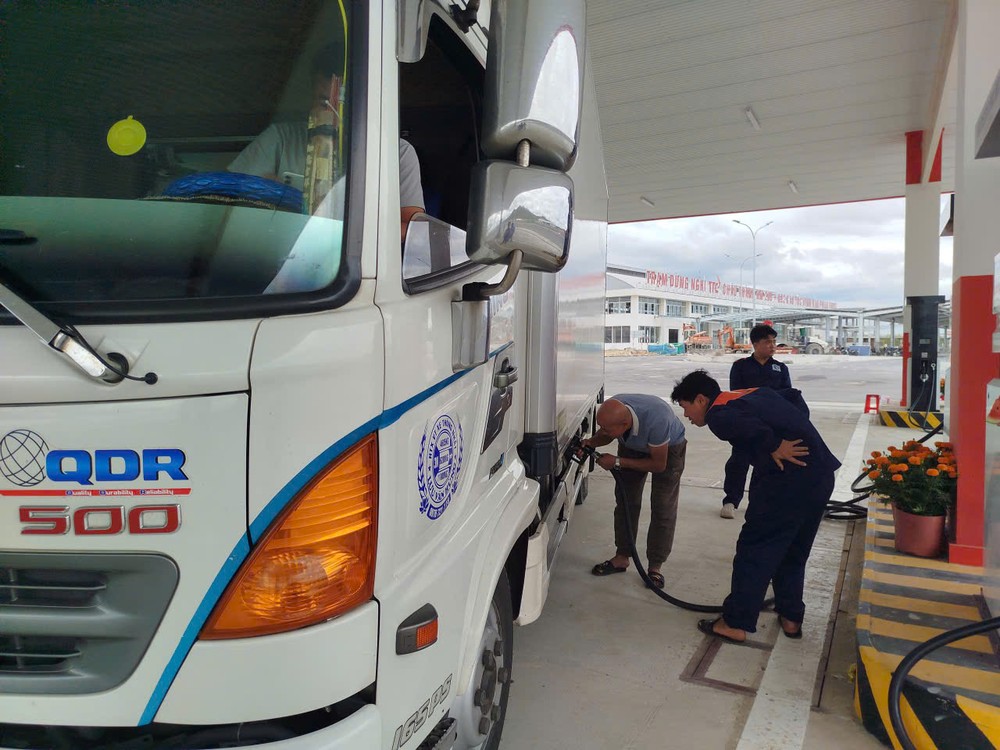
On the Phan Thiet–Dau Giay section, a temporary rest stop operates at Km47+500. From there, drivers must travel more than 150 kilometers to reach the next facility at Km205+092 on the Vinh Hao–Phan Thiet Expressway. This is currently the only rest stop along the HCMC–Van Phong corridor that is largely complete, featuring both a fuel station and electric vehicle charging points.
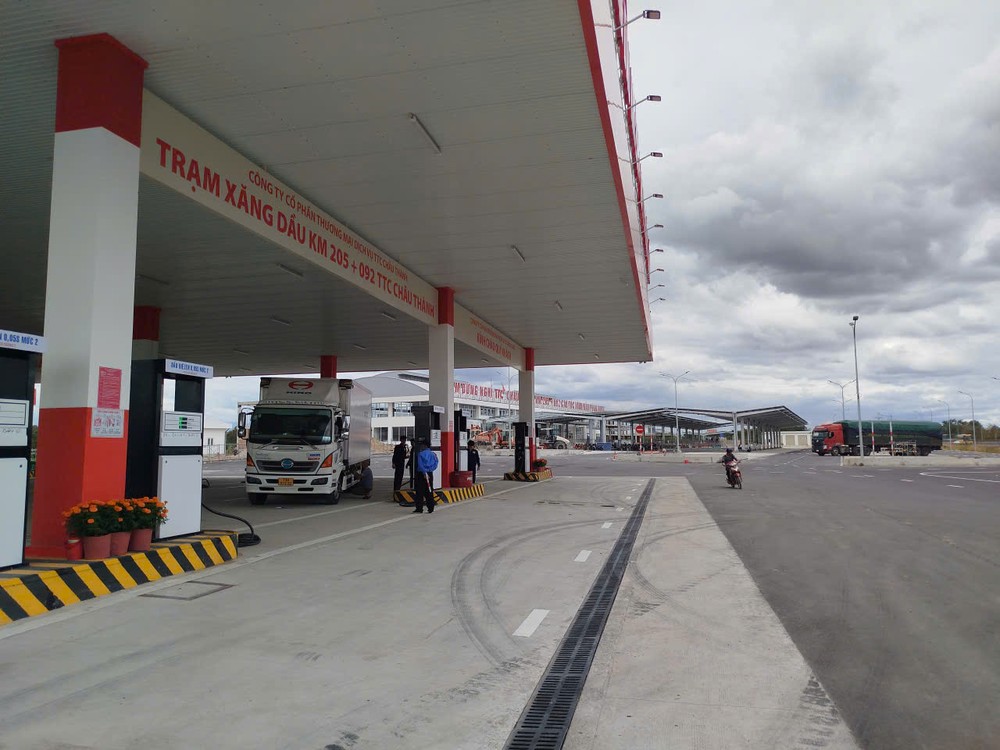
After leaving this stop, motorists must travel nearly another 100 kilometers before reaching the next rest area at Km113 on the Cam Lam–Vinh Hao section.
Meanwhile, Project Management Board 7 under the Ministry of Construction reported that a planned rest stop at Km144 on the Cam Lam–Vinh Hao Expressway has yet to be built due to unresolved land clearance and compensation issues.
“From Km113, it is more than 100 kilometers to Nha Trang without any official rest stop or refueling station. Drivers who need to rest or refuel must exit the expressway at interchanges,” said Doan Xuan Quang, a tourist traveling by private car from HCMC to Khanh Hoa.
This means drivers are often required to stay behind the wheel for 1.5 to 2 hours or longer without a break, despite safety recommendations advising rest every two hours or whenever fatigue sets in.
Experts warn that drowsy drivers are at risk of “microsleep”—brief, involuntary lapses into sleep lasting a few seconds. At a speed of 100 km/h, just three seconds of lost control can send a vehicle drifting more than 80 meters—enough to cause a serious accident.
Statistics from authorities show that most expressway accidents occur at night or in the early morning, when driver fatigue is most pronounced.
Notably, traffic police have recorded hundreds of cases of illegal stopping and parking on expressways during peak travel periods alone, underscoring the scale of the problem.
As traffic volumes on expressways continue to rise—particularly during holidays and major travel seasons—the urgent need to invest in and complete a comprehensive network of rest stops has become increasingly evident.