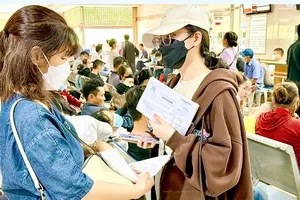
Unpredictable weather in recent days, marked by scorching daytime temperatures followed by heavy evening showers, has contributed to a rise in weather-related illnesses across Ho Chi Minh City and the Southern region, especially among older adults and those with underlying medical conditions.
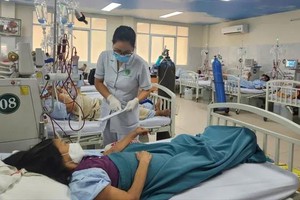
Seventy-two-year-old N.V.Nh. was admitted to Thong Nhat Hospital with pneumonia after experiencing persistent coughing, fatigue and breathing difficulties as the weather fluctuated between extreme heat and heavy rain.
Similarly, 75-year-old N.T.H. was hospitalized after prolonged hot weather left him exhausted, unable to sleep and suffering from elevated blood pressure.
According to Dr. Pham Minh Tri of the Respiratory Medicine Department at Thong Nhat Hospital, the seasonal transition has led to a surge in respiratory diseases, especially among older adults whose weakened immune systems and pre-existing conditions make them more susceptible to pneumonia, chronic obstructive pulmonary disease (COPD) and asthma.
He said sudden changes in temperature and humidity can trigger acute asthma attacks or worsen COPD symptoms, often requiring hospitalization.
The department admits about 10 to 12 patients with respiratory illnesses each day, most of them middle-aged or elderly, according to Dr. Pham Minh Tri. He said these high-risk groups should be closely monitored during periods of erratic weather, as even slight changes in temperature or humidity can worsen underlying conditions or lead to serious complications.
People’s Hospital 115 is also reporting an increase in weather-related emergencies. Its Emergency Department receives around 320 to 350 patients daily, including 80 to 90 cases linked to extreme weather conditions.
Dr. Nguyen Kim Long, an emergency physician at the hospital, said extreme weather, marked by sudden shifts between hot and rainy conditions and prolonged heatwaves, is driving an increase in seasonal influenza, upper respiratory viral infections and dengue fever.
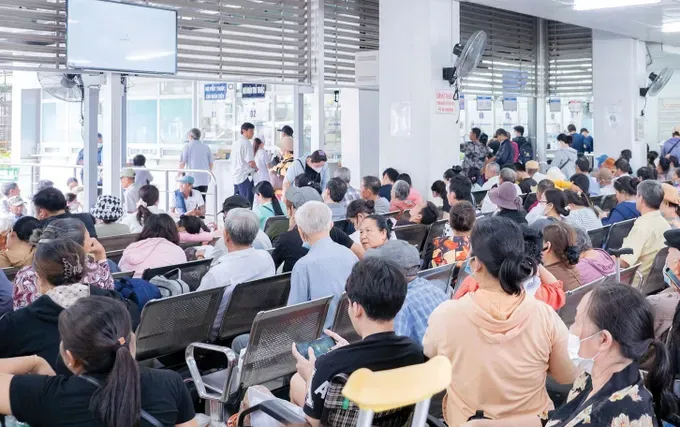
For elderly people and patients with chronic illnesses, fluctuating temperatures can cause blood pressure instability and place additional strain on the cardiovascular system. Extended exposure to heat may also result in dehydration, electrolyte imbalances, poor appetite, weakened immunity and, in severe cases, stroke.
Medical experts are urging vulnerable groups to take extra precautions as extreme weather becomes more frequent.
Dr. Truong Thien Niem, head of the Outpatient Department at Gia An 115 Hospital, said that older adults are less able to regulate body temperature and often live with chronic conditions such as hypertension, coronary artery disease, heart failure and diabetes.
He explained that when temperatures rise, blood vessels dilate to release heat, forcing the heart to work harder. A sudden drop in temperature caused by rain or strong winds can make blood vessels constrict rapidly, causing blood pressure to fluctuate and increasing stress on the heart.
Changes in air pressure and humidity can also affect heart rhythm, breathing and overall comfort, particularly among people with cardiovascular or chronic respiratory diseases.
Doctors noted that cardiovascular events in older adults often present with subtle symptoms, such as unusual fatigue, shortness of breath during routine activities or sleep disturbances before more serious complications develop. They advised patients with hypertension or heart disease to closely monitor their health and seek medical attention if symptoms persist.
Health experts recommend that older adults avoid prolonged exposure to direct sunlight, stay hydrated, replenish electrolytes when necessary and maintain a balanced diet. Anyone experiencing a persistent cough, sore throat or fever should seek medical evaluation promptly.
The Ho Chi Minh City Center for Disease Control also warned that sudden weather changes during the seasonal transition increase the risk of illness among children, whose immune systems are still developing. Common conditions include upper respiratory infections and acute diarrhea.
Parents are advised to strengthen children's immunity through proper nutrition, dress them appropriately for changing weather conditions, especially at night, ensure timely medical care when symptoms worsen, and keep vaccinations up to date in accordance with the Ministry of Health's recommendations.
)