The Ministry of Education and Training has released a draft circular establishing regulations on standards, adaptation processes, and the evaluation of digital textbooks developed under the national general education program, inviting feedback from relevant agencies, organizations, and individuals.
The Ministry of Education and Training stated that the development of digital textbooks will help create a rich repository of learning materials tailored to Vietnam’s specific context and aligned with global educational trends. This initiative aims to maximize benefits for learners while supporting national digital transformation goals and fostering the development of digitally literate citizens.
Regarding digital textbook standards, the draft circular stipulates that a prerequisite for digital textbooks is full compliance with existing standards for printed textbooks. The content of digital textbooks must accurately reflect that of the printed versions; their digital format must adhere to current technical standards and support multiple platforms, including computers, smartphones, and e-readers. Additionally, they must fully comply with existing regulations on copyright, intellectual property rights, security standards, and archiving requirements.
The draft circular also stipulates that the interface of digital textbooks must be optimized for various devices and suitable for the health and vision of students at all levels in terms of font, font size, color, and visual and audio effects.
Furthermore, the draft prohibits the inclusion of advertisements, commercial content, shopping suggestions, or external promotions within digital textbooks.
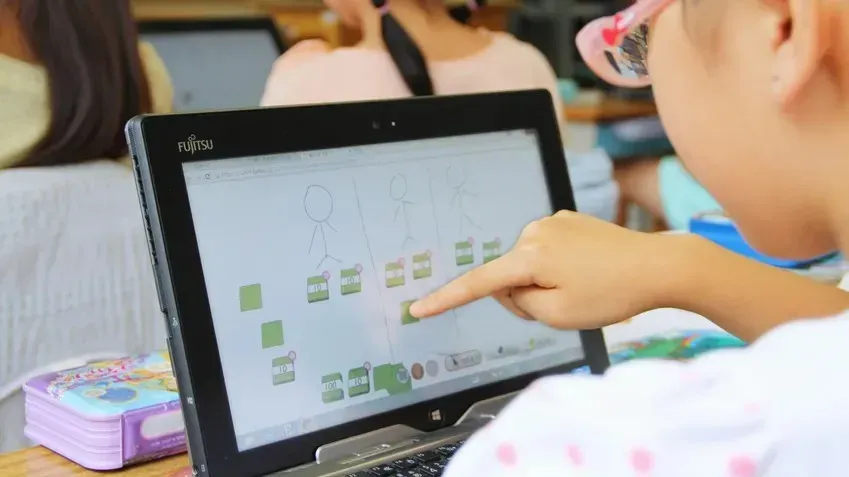
According to the draft, digital textbooks are expected to include features such as search, bookmarking, note-taking, and content zooming; they should allow basic interactivity, including multiple-choice selection, drag-and-drop, audio replay, and text input. They must support flexible integration and updates, with the ability to connect to learning management systems following common standards, as well as leverage artificial intelligence and virtual reality technologies. Additionally, digital textbooks should be accessible both online and offline, ensuring continuous usability even without a stable internet connection.
The draft also specifies that digital textbooks must incorporate measures to prevent and protect against cybersecurity threats, ensuring they do not contain harmful or inappropriate links or content. It stipulates that digital textbooks may be revised or updated whenever the corresponding printed textbooks are amended, with any pilot implementation of revised digital textbooks requiring a decision from the Minister of Education and Training.
Earlier, during discussions in the National Assembly, several lawmakers proposed the development of digital textbooks as a means to reduce printing costs, enable multi-year reuse, and align with the ongoing digital transformation in education.