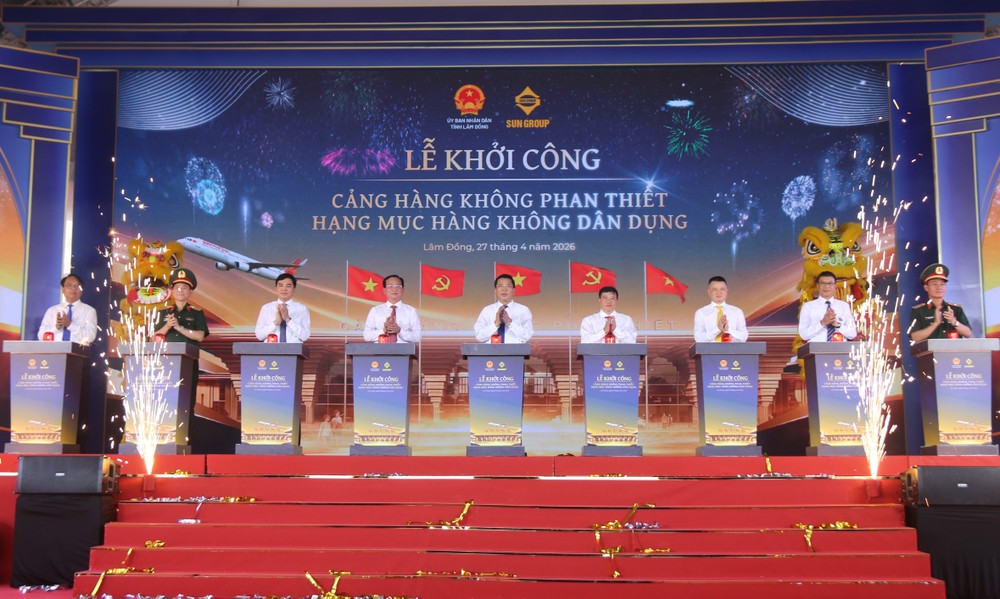
Located in Mui Ne Ward, the project carries a total investment of nearly VND4 trillion and spans approximately 75 hectares. It is designed to meet ICAO’s 4E airport standards, with a first-phase capacity of around 2 million passengers per year. Core components include an 18,000-square-meter passenger terminal, an apron with six parking positions for both wide-body and narrow-body aircraft, a 45m air traffic control tower, and a synchronized system of technical infrastructure.
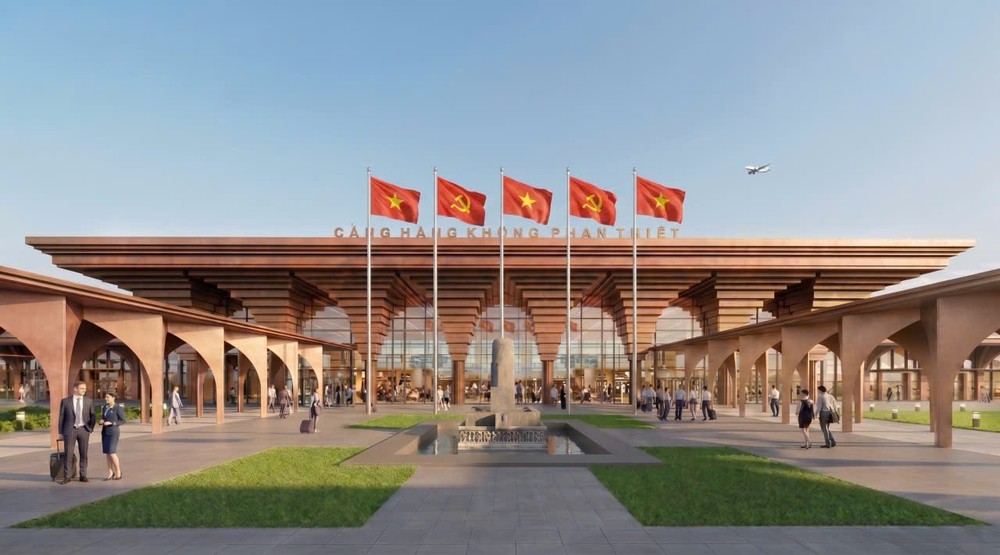
A distinctive feature of the project is the terminal’s architecture, inspired by the Po Sah Inu Cham towers, blending Champa cultural elements with modern design. According to the investor, construction is expected to be completed within two years. Once operational, the airport will handle regular domestic flights and be capable of accommodating non-scheduled international services, significantly reducing travel time from Hanoi, HCMC, Da Nang, and other major tourism hubs to Phan Thiet–Mui Ne.
Minister of Construction Tran Hong Minh described the project as Vietnam’s first privately funded civil airport developed on dual-use military–civilian infrastructure, aligning with the Party’s policy under Resolution 68 to promote private-sector development.
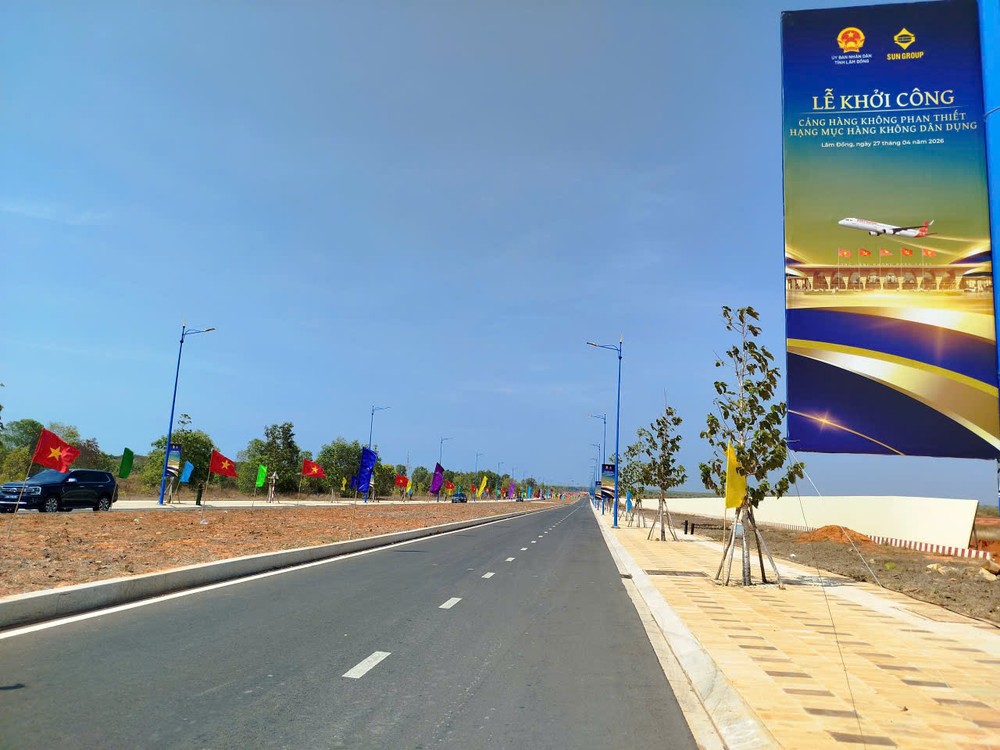
Chairman of the Lam Dong People’s Committee Ho Van Muoi emphasized that the airport is a strategic transport project expected to drive tourism, trade, services, logistics, and investment. Upon completion, it is anticipated to provide a major boost in transforming Mui Ne–Phan Thiet into a national and international marine tourism hub.
First planned in 2014 and approved under a BOT model in 2015, the project has undergone several adjustments, including an upgrade from 4C to 4E classification in 2021 to meet evolving development demands.