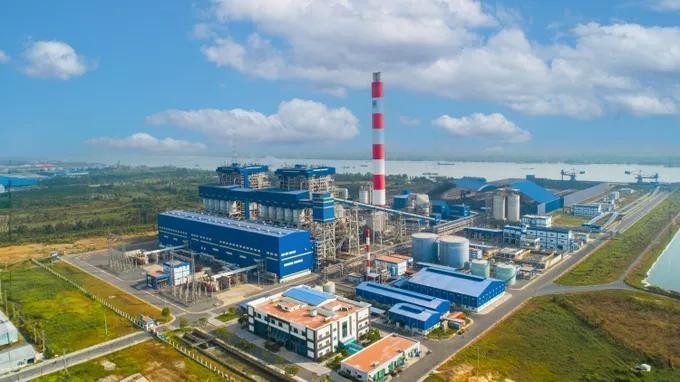
The Ministry of Agriculture and Environment requires thermal power plants to proactively control emissions, prevent environmental incidents, and ensure stable operation without disrupting electricity supply during the dry season.
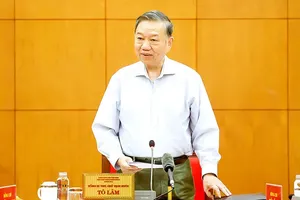
On April 28, Deputy Minister of Agriculture and Environment Le Cong Thanh signed a document sent to three corporations and businesses that are investors and operators of 32 thermal power plants nationwide, requesting them to strengthen environmental protection and ensure that the operation of power generation units is not affected during the peak months of the hot, dry season.
The document was distributed to a wide range of units, including numerous thermal power plants in Quang Ninh, Hai Phong, Thai Nguyen, Ha Tinh, Thanh Hoa, as well as across the South Central region and the Southern region, key power generation hubs within the national electricity system.
According to the document, units are required to conduct a comprehensive review of equipment conditions and the operational performance of waste treatment facilities, with particular attention to exhaust gas treatment systems to prevent environmental incidents and avoid breaches of emission standards.
Power plants must ensure the stable operation of exhaust gas collection and treatment systems, as well as automatic, continuous emissions monitoring systems. Routine maintenance, servicing, and equipment replacement should be carried out on a scheduled basis, with priority given to completion before the dry season or during periods of low operational load.
Following inspections, any identified defects must be addressed promptly, alongside the development of proactive maintenance plans. Technical and operational measures should be implemented with a focus on early prevention, minimizing the risk of disruptions to power generation.
Where equipment repairs or upgrades may impact generation capacity, units are required to establish detailed plans and coordinate with system dispatch authorities to schedule implementation in line with dry-season power supply planning.
The Ministry of Agriculture and Environment also requires businesses and power plants to strictly control the quality of input fuels, especially indicators such as sulfur content, ash content, and moisture content in coal. Based on this, power plants must forecast the emission concentrations of major pollutants such as SO₂, NOx, and total particulate matter to adjust fuel blending ratios accordingly, and avoid accepting coal that does not meet technological requirements.
Exhaust gas treatment systems also need to be closely monitored for operational efficiency. Businesses should establish internal warning thresholds for pollution parameters to proactively adjust operating modes and reduce the risk of exceeding emission standards.
For high-cost renovation and upgrade projects such as electrostatic precipitators (ESPs), SO₂ removal systems, and NOx treatment systems, units must develop specific implementation plans to ensure that electricity generation is not affected during the dry season and subsequent years.
Regarding the roadmap for applying the standards, as required by the Ministry of Agriculture and Environment, from now until December 31, 2031, thermal power plants currently in operation or those that have completed environmental procedures before July 1, 2025, will continue to apply QCVN 22:2009/BTNMT and local regulations. From 2032, these facilities must meet the new industrial emission standards according to QCVN 19:2024/BTNMT.
The Ministry of Agriculture and Environment requests that units urgently develop plans for technology conversion and upgrading of waste treatment systems to meet the new requirements according to the prescribed roadmap.