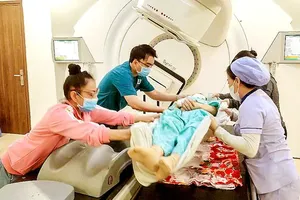
Rising life expectancy is a notable achievement of socioeconomic development and advances in the healthcare system. However, it is accompanied by a rapid increase in the elderly population, chronic diseases and demand for long-term care, posing new requirements for the social security system. Population aging is becoming one of the major challenges facing Ho Chi Minh City’s development.
Ho Chi Minh City is embracing a new era of health care, shifting from a reactive “treat when sick” model to a proactive approach focused on lifelong wellness. The city’s health authorities are prioritizing disease prevention, early diagnosis, chronic illness management, and community-based care — all aligned with the goals set out in Politburo Resolution No. 72-NQ/TW, which emphasizes protecting, caring for, and improving public health.
HCMC strengthening health management throughout life course
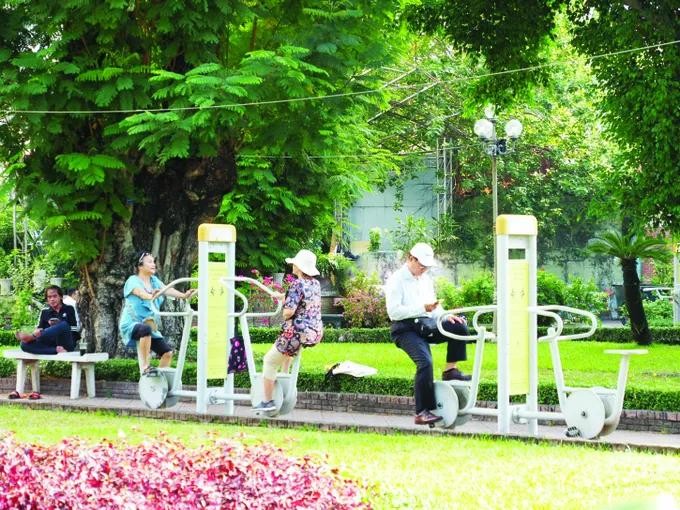
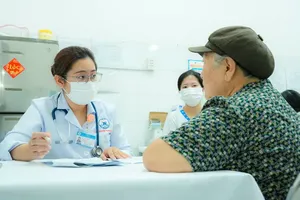
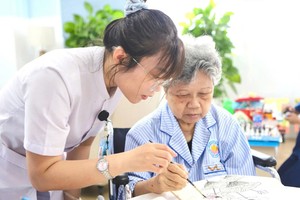
Amid population aging, healthcare for older people is becoming a major challenge. Non-communicable diseases such as hypertension and diabetes are increasingly common, while older people often suffer from multiple conditions at the same time and require long-term treatment. This affects not only their health but also their mental well-being, daily activities and family life.
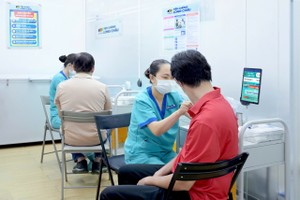
Therefore, care for older people cannot rely solely on hospitals but must be a continuous process involving families, communities, health stations and specialized medical facilities. At the grassroots level, health facilities play a key role in monitoring people’s health, detecting diseases early and managing risk factors. This is also the direction Ho Chi Minh City is promoting in implementing Resolution 72, with the goal of providing health checkups and screening, establishing electronic health records and managing health throughout the life course.
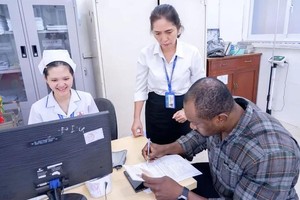
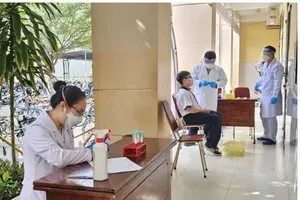
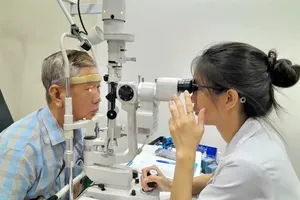
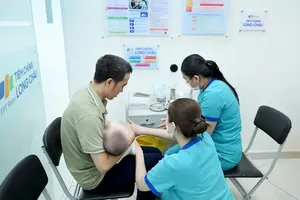
The city is implementing a flexible health-checkup approach that is not dependent on administrative boundaries, screening at-risk groups directly in the community and making use of available data to ensure that no residents are overlooked. The focus is not only on detecting diseases but also on assessing blood pressure, blood sugar, stroke risk, mobility, nutrition, cognitive decline and mental health so that people can be monitored and receive early intervention.
HCMC developing continuous healthcare teams to bring services closer to residents
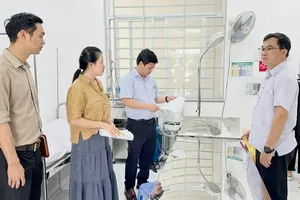
Along with changes in the approach to care, the role of health stations must also evolve. Health stations should not only provide vaccinations, dispense medication or treat common illnesses but also become places that manage the health of residents in their areas.
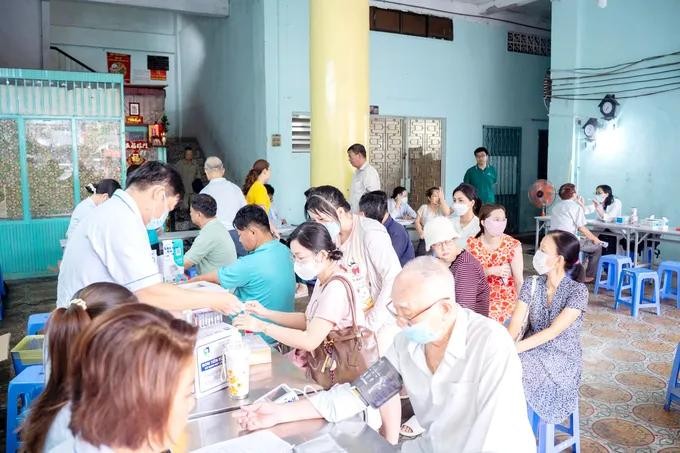
Ho Chi Minh City is studying a model of “continuous healthcare teams linked to residential areas,” including a plan to pilot home-based health insurance-covered medical examinations and treatment. The model is aimed at older people, people with disabilities, those with chronic diseases and people with limited mobility. If implemented effectively, it would mark a shift from residents seeking out healthcare facilities to the healthcare system proactively reaching residents.
To adapt to population aging, Ho Chi Minh City also needs to build an age-friendly living environment. This is not solely a task for the healthcare sector but also involves urban planning, transportation, housing, social security, culture, sports and community life. Older people are not merely a group requiring care; they are also a resource with experience, knowledge and life skills.
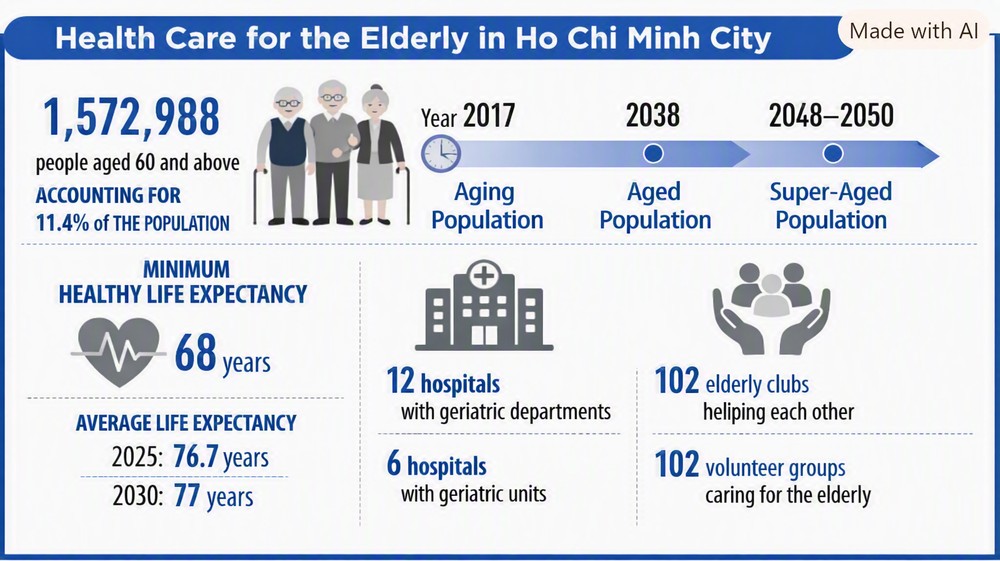
With proper care and appropriate conditions, older people can continue to play important roles in their families and contribute to their communities and society. The city needs to pursue “active aging” rather than simply addressing problems after people become old. In healthcare, it should continue strengthening the capacity of 168 Commune, Ward and Special Administrative Zone health stations; develop management of noncommunicable diseases, rehabilitation and home-based care; and closely connect grassroots healthcare with hospitals and long-term care facilities.
Ho Chi Minh City needs to prepare resources for aging society
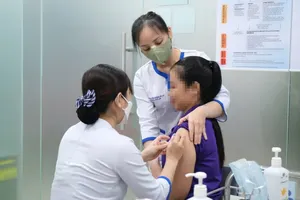
Population aging will create significant demand for family physicians, nurses, rehabilitation specialists, nutritionists, psychologists, social workers and long-term care services. Therefore, alongside investment in hospitals, Ho Chi Minh City needs to allocate resources to grassroots healthcare and community-based care models. The participation of more than 100 hospitals in providing health checkups and screening for residents at health stations shows that an approach of “the entire healthcare sector joining in caring for people’s health” is gradually taking shape.
However, programs must avoid pursuing quantity at the expense of quality. Their true value lies in ensuring that, after examinations, residents are stratified according to risk, receive counseling and are managed and monitored over the long term. For older people in particular, the approach needs to shift from “care when illness occurs” to “care to reduce disease risks, prevent complications and maintain quality of life.”
Population aging is an irreversible trend, but it does not necessarily have to become a burden. With proper preparation, Ho Chi Minh City can build a humane city where people receive proactive healthcare, live longer and healthier lives, and continue contributing to their families and communities.
Resolution 72 places health at the heart of national development policy, and Ho Chi Minh City is translating that vision into action. For the southern metropolis, adapting to an aging population goes far beyond expanding hospitals or adding beds. It demands a sweeping transformation in how care is delivered — from prevention and lifelong health management to strengthening grassroots medical networks, accelerating digital transformation, and building age-friendly communities. Above all, the city aims to move from a system that passively waits for patients to seek treatment to one that actively supports residents in maintaining their well-being throughout life.



)