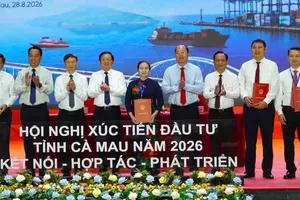
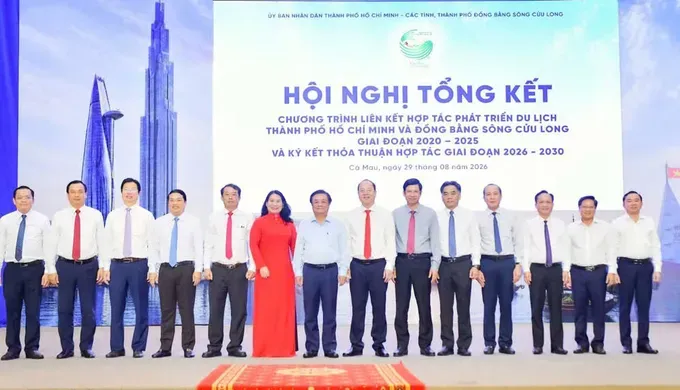
The Ho Chi Minh City People’s Committee and the people’s committees of Mekong Delta localities hosted a conference to review the tourism development cooperation and linkage program for 2020–2025 and sign a cooperation agreement for the 2026–2030 period on August 29.
The conference was attended by Le Minh Hoan, former member of the Communist Party of Vietnam Central Committee and former Deputy Chairman of the National Assembly; Nguyen Ho Hai, Secretary of the Ca Mau Provincial Party Committee and Head of the Ca Mau Provincial Delegation of National Assembly Deputies; along with leaders of ministries and agencies, representatives of Mekong Delta provinces and cities, and tourism and travel associations.
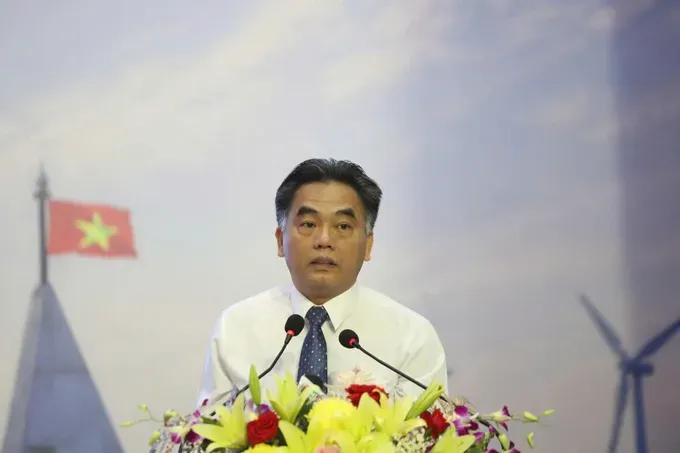
Representing Ho Chi Minh City was Standing Vice Chairman of the Ho Chi Minh City People’s Committee Nguyen Loc Ha.
According to the Ho Chi Minh City–Mekong Delta Tourism Development Cooperation Council, during the 2020–2025 period, cooperation between Ho Chi Minh City and Mekong Delta provinces and cities in developing tourism products produced positive results, particularly in terms of visitor numbers and the number of new tourism products.
Statistics show that travel companies have brought approximately 7.5 million tourist arrivals to the Mekong Delta region.
At the conference, delegates shared experience and proposed solutions to improve the effectiveness of tourism development cooperation and connectivity in the coming period.

Reviewing the outcomes of cooperation during 2020–2025, Standing Vice Chairman of the Ho Chi Minh City People’s Committee Nguyen Loc Ha said the program’s most notable achievement was not the number of activities organized, but the fact that the cooperation mechanism between Ho Chi Minh City and the Mekong Delta remained intact during a period of unprecedented disruptions to the tourism sector, including the Covid-19 pandemic.
The provinces and cities jointly developed a regional tourism brand identity, “Vibrant Southern Vietnam,” organized numerous tourism product surveys and business networking programs, and established interregional tourism routes.
The value of the cooperation lies not only in the tangible results achieved but also in the fact that the linkage between Ho Chi Minh City and the Mekong Delta has become a stable, long-term, and increasingly substantive direction for cooperation.
According to Standing Vice Chairman of the Ho Chi Minh City People’s Committee Nguyen Loc Ha, in the context of profound changes taking place in both Ho Chi Minh City and the Mekong Delta, regional connectivity is no longer merely a means of coordination but must become a competitive advantage for the entire region, helping improve product quality while attracting visitors who stay longer, spend more, and generate greater value for local communities.
Regional connectivity should be developed toward creating journeys in which Ho Chi Minh City is not only a destination but also a gateway to the Mekong Delta. Conversely, the values of the river region should not remain confined to individual localities but become part of Ho Chi Minh City’s destination narrative. This calls for an integrated product structure in which urban landscapes, waterways, ecology, culture, agriculture, and islands serve as different layers of experience within a unified journey.
To achieve stronger results in regional cooperation during 2026–2030, Mr. Nguyen Loc Ha proposed elevating cooperation from linking destinations to linking value chains, from coordinating activities to jointly developing markets, and from sharing short-term benefits to jointly creating long-term value.
Ho Chi Minh City is committed to continuing to take the lead in connecting markets, businesses, tourism products, and international partners, while proactively sharing resources, experience, and development platforms with Mekong Delta provinces and cities to enhance the competitiveness of the entire region.


)