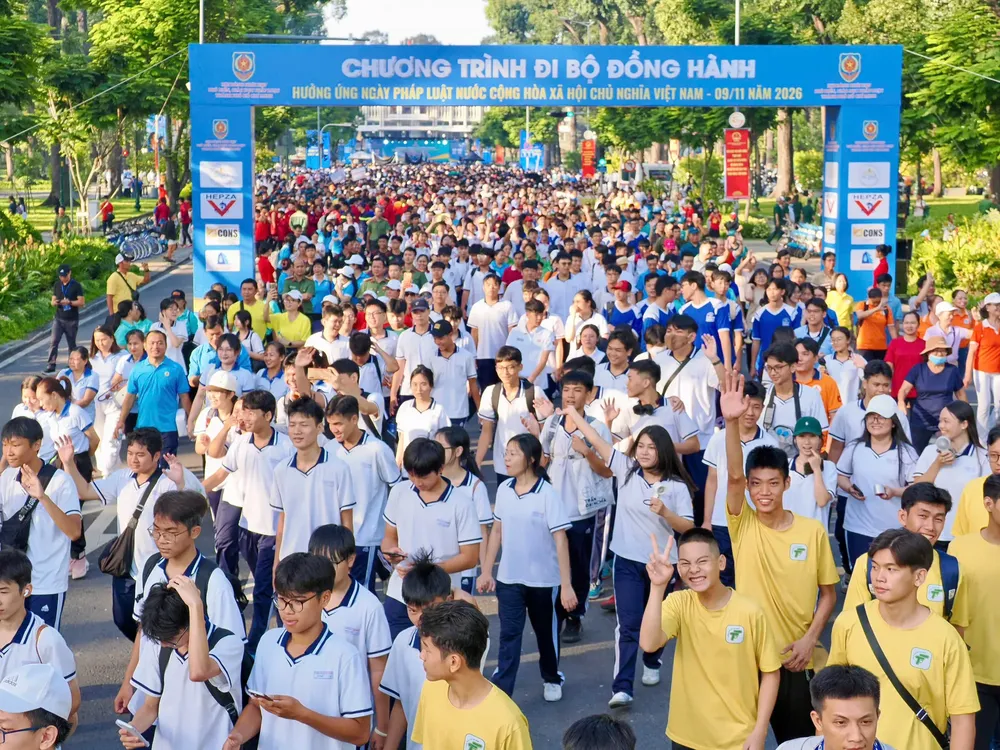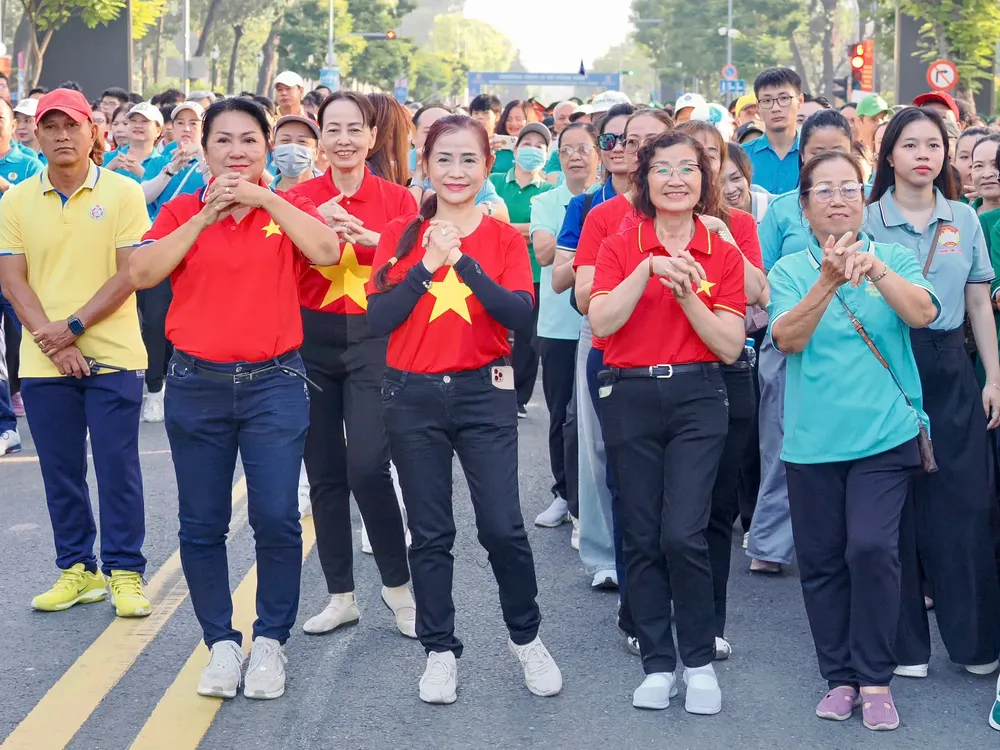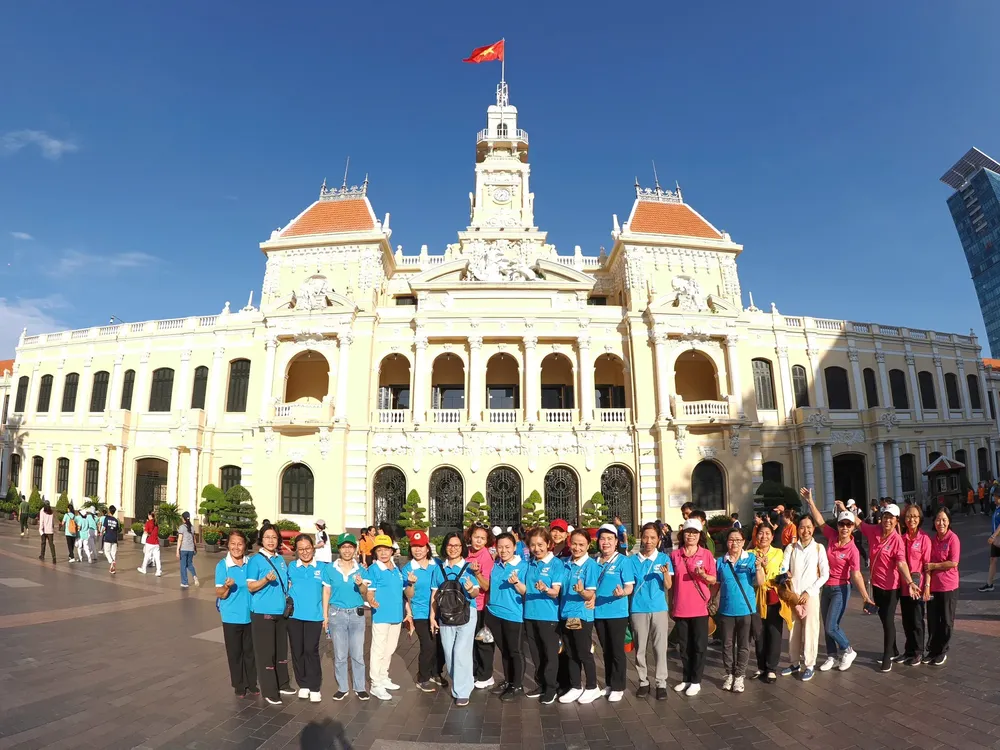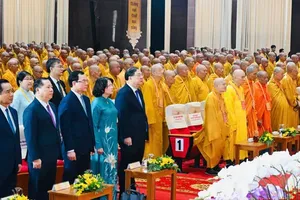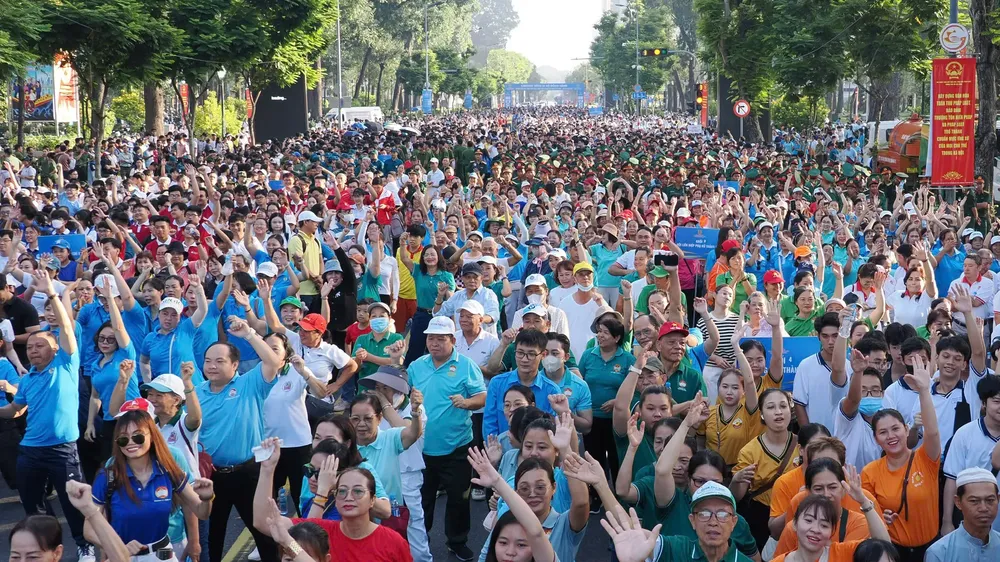
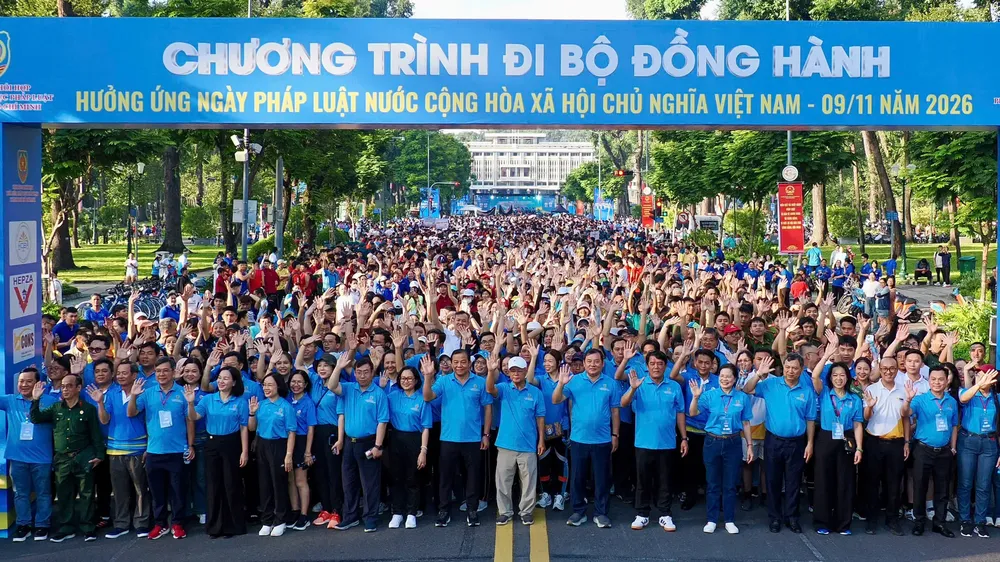
The event was jointly organized by the Ho Chi Minh City Department of Justice, the standing body of the Coordinating Council, and the Ho Chi Minh City Department of Culture and Sports, a member of the Council.
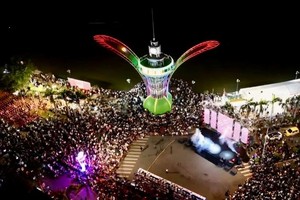
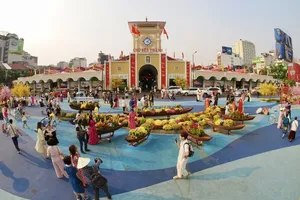
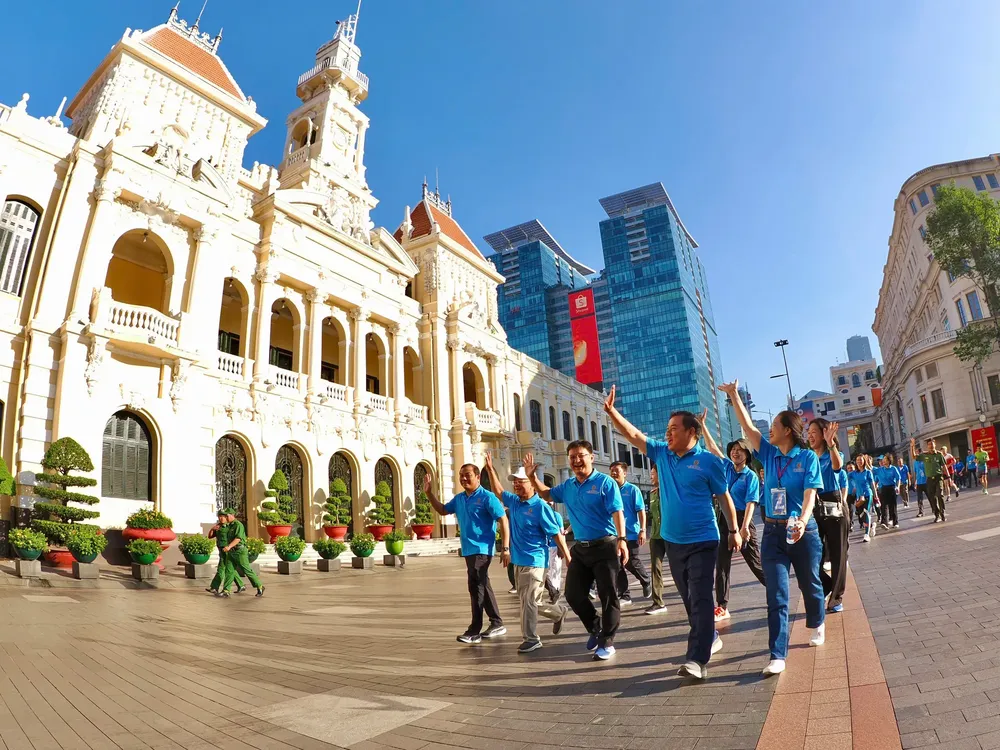
The program attracted 7,000 participants, including central government and city leaders, officials, civil servants, public employees, armed forces personnel, Youth Union members, young people, school and university students, lawyers, businesses, and residents.
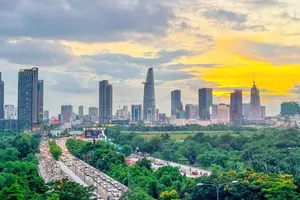
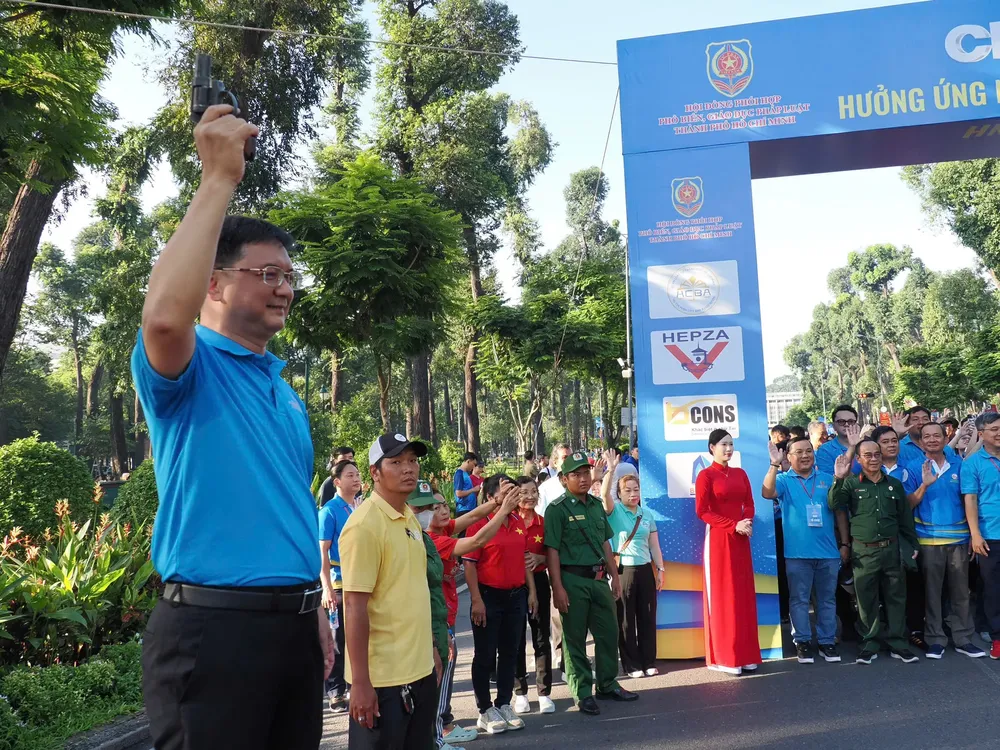
The walk began at 6:30 a.m. on Le Duan Street, in front of the Reunification Palace, covering a route of approximately 1.5 kilometers through the city's central streets.
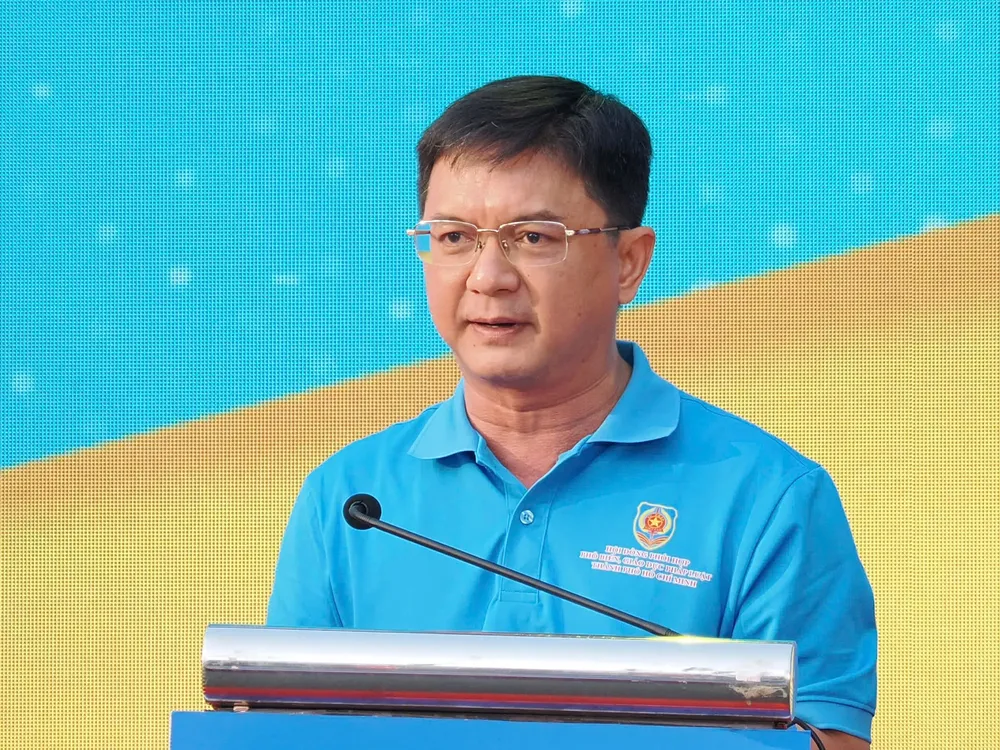
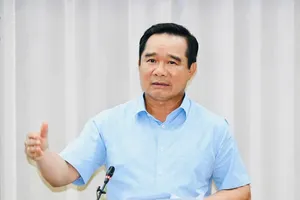
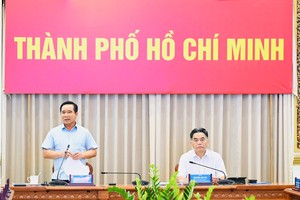
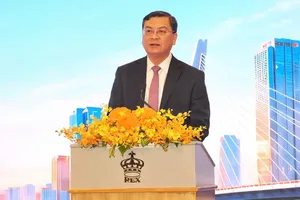
Speaking at the event, Vice Chairman of the Ho Chi Minh City People's Committee Nguyen Manh Cuong emphasized that the 2012 Law on the Dissemination and Education of Laws designates November 9 each year as Vietnam Law Day. The occasion serves to honor the Constitution and the law, promotes legal awareness, and reaffirms the principles of upholding the rule of law and respecting human and citizens' rights.
Over the past 14 years, activities marking Vietnam Law Day in Ho Chi Minh City have been consistently organized by the Ho Chi Minh City Party Committee, People's Council, People's Committee, and Vietnam Fatherland Front Committee, in coordination with authorities and agencies at all levels and localities. A wide range of initiatives have been introduced, including online legal knowledge contests, policy dialogues, mock trials, legal aid, and grassroots mediation. These activities have helped strengthen public awareness of and compliance with the law, improve its application and enforcement, and promote citizens' responsibility for implementing and safeguarding the Constitution.
According to Vice Chairman of the Ho Chi Minh City People's Committee Nguyen Manh Cuong, Vietnam Law Day 2026 carries particular significance as it coincides with preparations to commemorate the 80th anniversary of the National Assembly's adoption of the country's first Constitution in 1946. The occasion is also associated with the Great National Unity Festival, Vietnam Culture Day, and a series of activities marking the 50th anniversary of Saigon–Gia Dinh being officially named after President Ho Chi Minh.
He said the city was focusing on comprehensively improving its institutional and regulatory framework to support socio-economic development.
Accordingly, the city will continue translating Party guidelines and resolutions into institutional frameworks, refining the legal system, and concretizing the Law on Urban Development, while ensuring a consistent and seamless legal foundation for the two-tier local government model.
The city will also seek to modernize legal communication and dissemination, placing residents and businesses at the center of these efforts. Digital transformation will be accelerated, alongside communication campaigns on major policies affecting the public, particularly those concerning land, housing, investment, employment, and social welfare.
Emphasis will also be placed on promoting the pioneering role and exemplary responsibility of officials, Party members, civil servants, and public employees; resolutely preventing and combating corruption, wastefulness, and other negative practices; and protecting officials who demonstrate dynamism, innovation, and the courage to think and act in the common interest.
Vice Chairman of the Ho Chi Minh City People's Committee Nguyen Manh Cuong stressed that law enforcement must be increasingly focused at the grassroots level, with particular attention to safeguarding the legitimate rights and interests of workers, children, and vulnerable groups.
He also underscored the importance of harnessing the strength of great national unity and maintaining political stability, social order, and safety, as well as economic security, cybersecurity, data security, and human security.