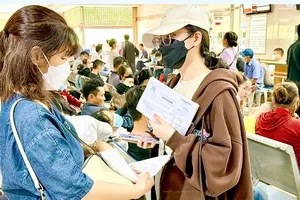
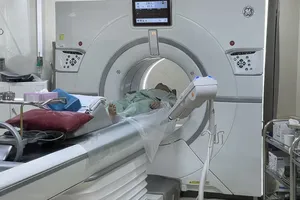
On June 24, the Ho Chi Minh City Department of Health announced that the city’s People’s Committee has approved a pilot scheme for providing home-based medical examination and treatment covered by health insurance (HI). The initiative will be integrated into a model known as “continuous community-based health care teams.”
The program is expected to bring significant benefits not only to the healthcare sector but also to millions of residents, particularly the elderly, people with chronic diseases, persons with disabilities, and those facing difficulties in accessing medical facilities.
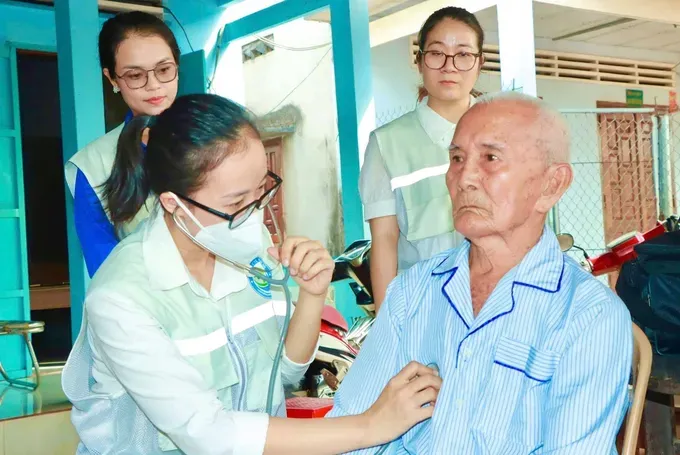
The policy marks an important step in reforming grassroots healthcare in line with Politburo Resolution No. 72-NQ/TW, which calls for breakthrough solutions to strengthen public health protection and care. It also reflects a shift from a treatment-centered approach to a more proactive, comprehensive, and continuous community-based healthcare model.
According to Associate Professor Dr. Tang Chi Thuong, Director of the Ho Chi Minh City Department of Health, the city has been implementing the “continuous community-based health care teams” model for more than two months across multiple localities. So far, 20 wards and communes have established and operated such teams, gradually bringing healthcare services closer to residents.
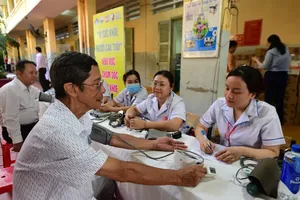
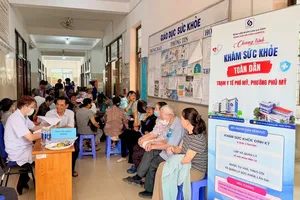
These teams conduct home visits to collect and update health information, perform screenings, provide consultations, manage chronic diseases, care for the elderly, and support residents in accessing appropriate medical services. Localities have reported strong public support, especially among older adults and high-risk groups. Early results show that the model helps detect diseases early, ensures continuous health monitoring, and strengthens the connection between local health stations and households.
However, home-based medical services have faced difficulties due to the lack of a suitable health insurance payment mechanism.
The approval of the pilot for home-based health insurance-covered medical care is a key breakthrough, said Associate Professor Dr. Tang Chi Thuong. People will be able to benefit from health insurance when receiving medical examination and treatment at home within regulated conditions, while also enabling the sustainable development and expansion of continuous care models.
Under the direction of the city government, the Ho Chi Minh City Department of Health will coordinate with the city’s Social Security agency to develop professional guidelines, procedures, and reimbursement mechanisms suitable for real-world implementation. Pilot sites will be selected, and the program will be evaluated after six and 12 months.
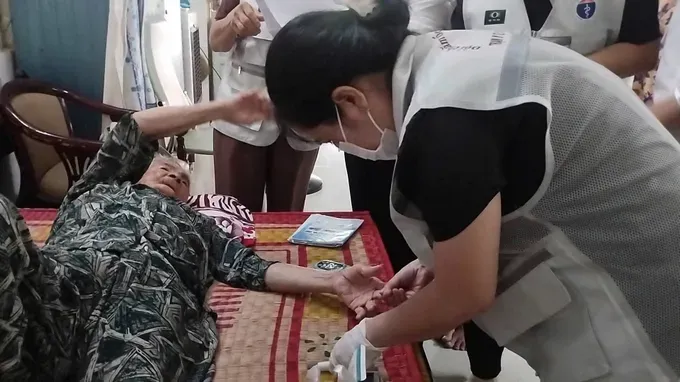
The Ho Chi Minh City Department of Finance will propose funding to cover non–health insurance expenses such as logistics, medical supplies, equipment, and other necessary conditions to ensure the effective operation of the care teams.
Local authorities in wards and communes will mobilize grassroots political and community organizations, including neighborhood groups, elderly associations and health collaborators, to ensure the model reaches every household.
This pilot not only helps reduce pressure on hospitals and saves time and travel costs for patients but also contributes to building a more proactive and people-centered primary healthcare system. It aligns with global healthcare trends, especially in the context of rapid population aging and the rising burden of chronic diseases, Dr. Tang Chi Thuong noted.
He added that if the pilot proves successful, Ho Chi Minh City could become one of the country’s leading localities in delivering health insurance benefits and healthcare services directly to people’s homes, advancing the goal of continuous, comprehensive care where no one is left behind.