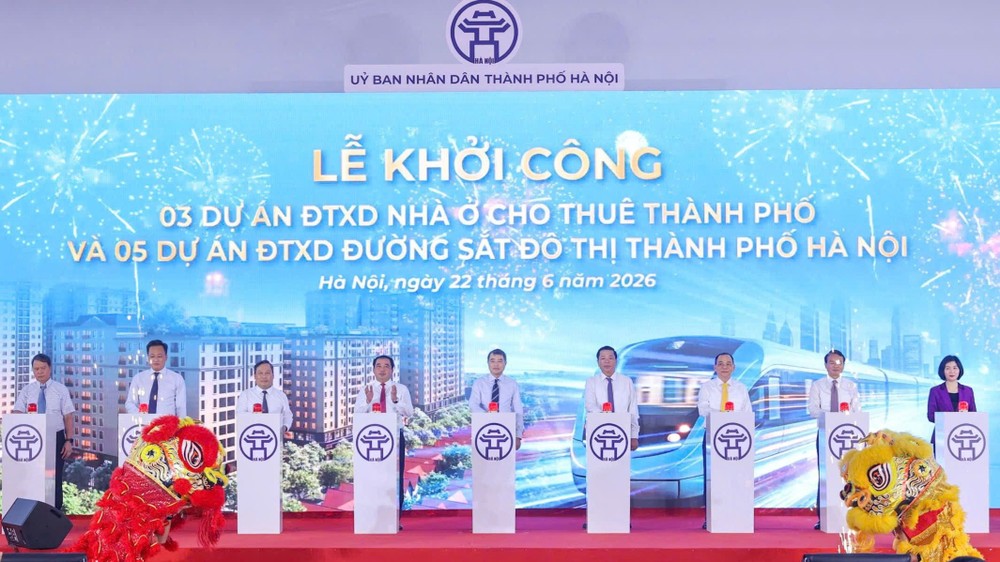
The projects carry a combined preliminary investment of more than VND1.3 quadrillion (approximately US$50 billion) for the metro network and over VND30 trillion for the rental housing program, which will deliver more than 8,000 apartments.
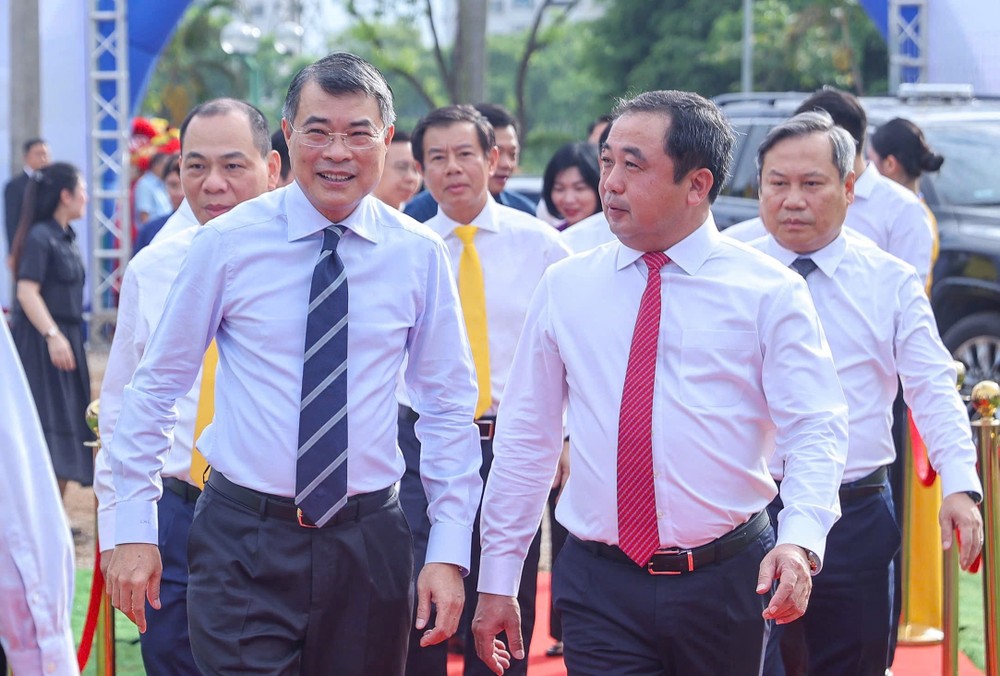
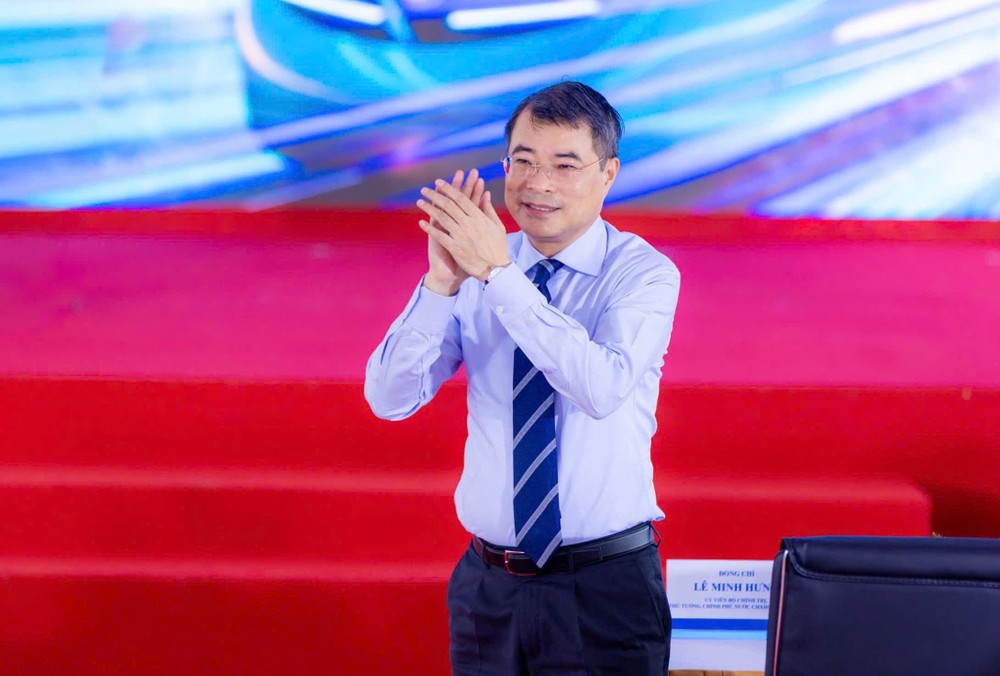
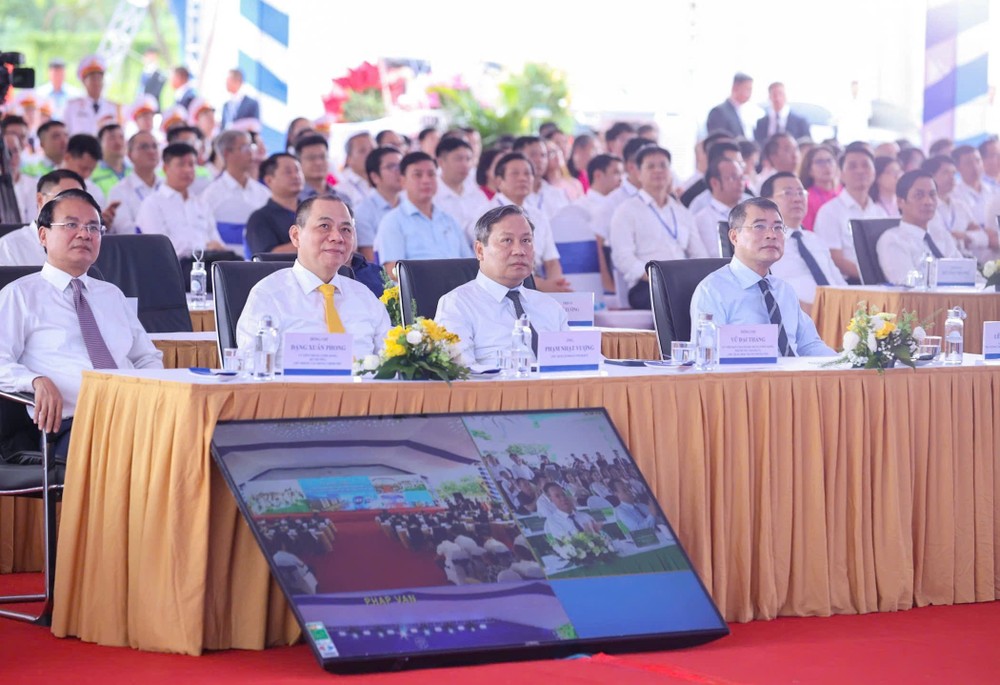
The groundbreaking ceremony was attended by Prime Minister Le Minh Hung, Hanoi Party Secretary Tran Duc Thang, and Chairman of the Hanoi People's Committee Vu Dai Thang, among other senior officials.
Speaking at the event, Mr. Vu Dai Thang said the program marked the beginning of a new development phase for Hanoi, featuring strategic projects expected to shape the capital's growth for decades to come.
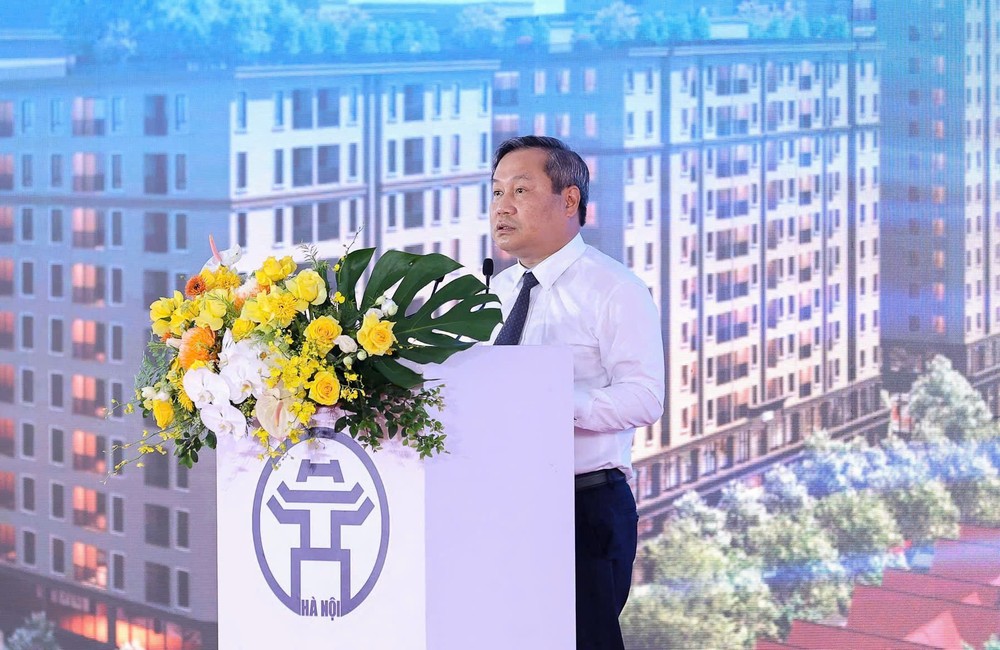
He noted that Hanoi has recently received strong support from the central government through a range of special policies and mechanisms designed to accelerate sustainable development and enhance the city's contribution to national growth. According to the chairman, the true value of those policies can only be demonstrated when they are translated into tangible projects, practical outcomes, and measurable benefits for residents and businesses.
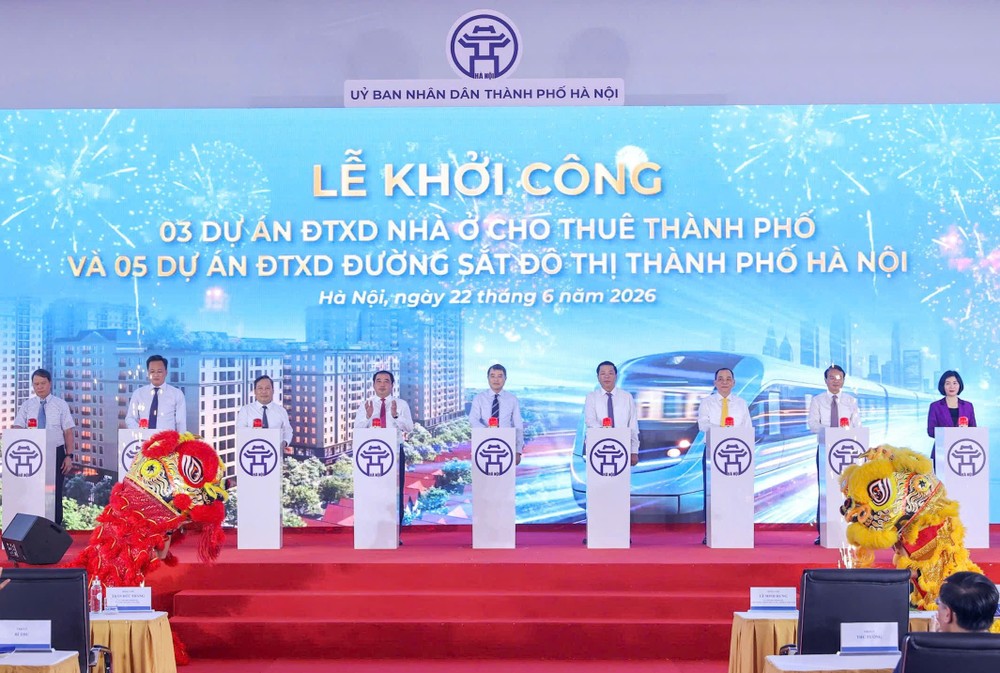
The official said the groundbreaking ceremony represented a concrete step toward implementing Politburo Resolution No.02, the 2026 Capital Law, Hanoi's master plan with a 100-year vision, and other special policy frameworks granted by the central government. It also underscored the city's determination to effectively leverage those mechanisms to create new growth drivers and improve living standards.
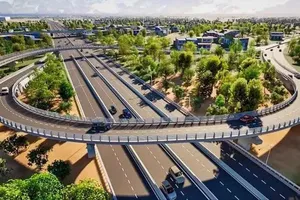
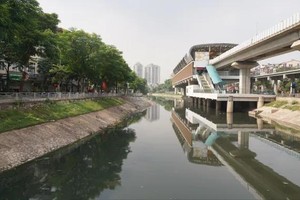
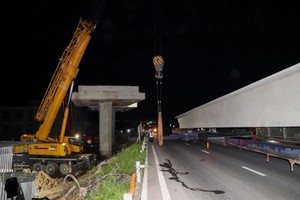
The five metro lines will span a combined 303.5 kilometers and require preliminary investment exceeding VND1.3 quadrillion. The Vinhomes-VinSpeed consortium has been selected as the engineering, procurement, and construction (EPC) contractor for the entire program.
City authorities described the simultaneous launch of all five lines as a historic milestone in the development of a synchronized and modern urban railway network. The initiative is the largest metro investment program ever undertaken by Hanoi and ranks among the most significant urban infrastructure projects in Vietnam.
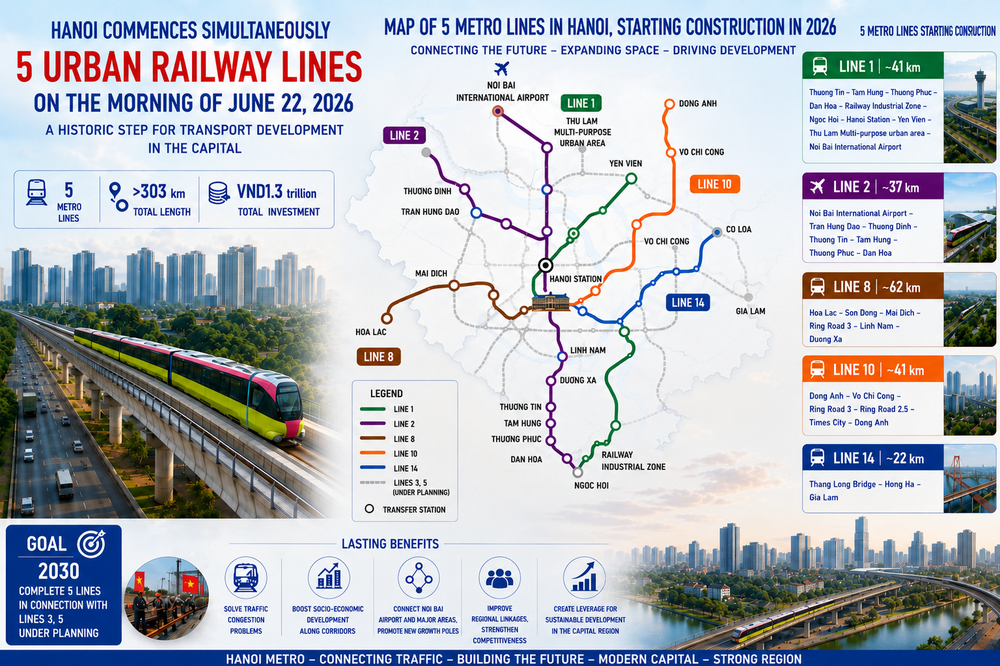
Once completed, the network will link major transport hubs and growth centers, including Noi Bai International Airport, Hanoi Railway Station, Ngoc Hoi, Hoa Lac, Thu Lam, Co Loa, and Ocean Park. Hanoi aims to have all five lines largely completed by 2030.
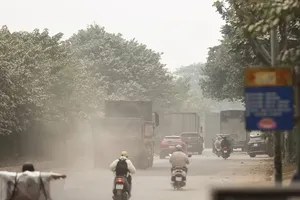
The network is expected to ease mounting traffic pressures while promoting transit-oriented development (TOD), strengthening regional connectivity, and advancing the capital's long-term vision of a multi-center, polycentric urban model.
Alongside the metro program, Hanoi has launched the first phase of its rental housing strategy in response to directives from General Secretary and State President To Lam and guidance from the Prime Minister on expanding affordable rental accommodation.
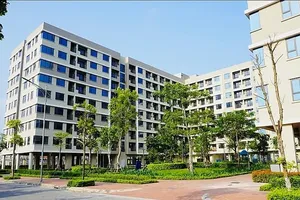
The city considers rental housing a long-term strategic priority to strengthen social welfare and meet growing housing demand. The first phase comprises three projects with more than 8,000 apartments and a combined investment of over VND30 trillion.
Mr. Vu Dai Thang said the three projects are the first under Hanoi's rental housing program and are expected to lay the groundwork for a new housing segment that better meets residents' evolving needs.