Buyers left confused
Under the National Technical Regulation QCVN 123:2024/BGTVT, child safety devices for passenger vehicles fall into two main categories, including the Child Restraint System (CRS) and the Enhanced Child Restraint System (ECRS).
Depending on a child's age, height and weight, the required device may include a rear-facing infant carrier, a forward- or rear-facing child safety seat, or a booster seat for older children who are not yet tall enough to use a vehicle's seat belt safely.
Demand for child car seats is rising ahead of the August 15 enforcement date, according to a survey of automotive accessory stores along An Duong Vuong, Tran Binh Trong and Tran Phu streets in Ho Chi Minh City. Online marketplaces offer hundreds of models ranging from a few hundred thousand to several million Vietnamese dong, but parents say their biggest concern is knowing which products comply with Vietnam's new technical standards.
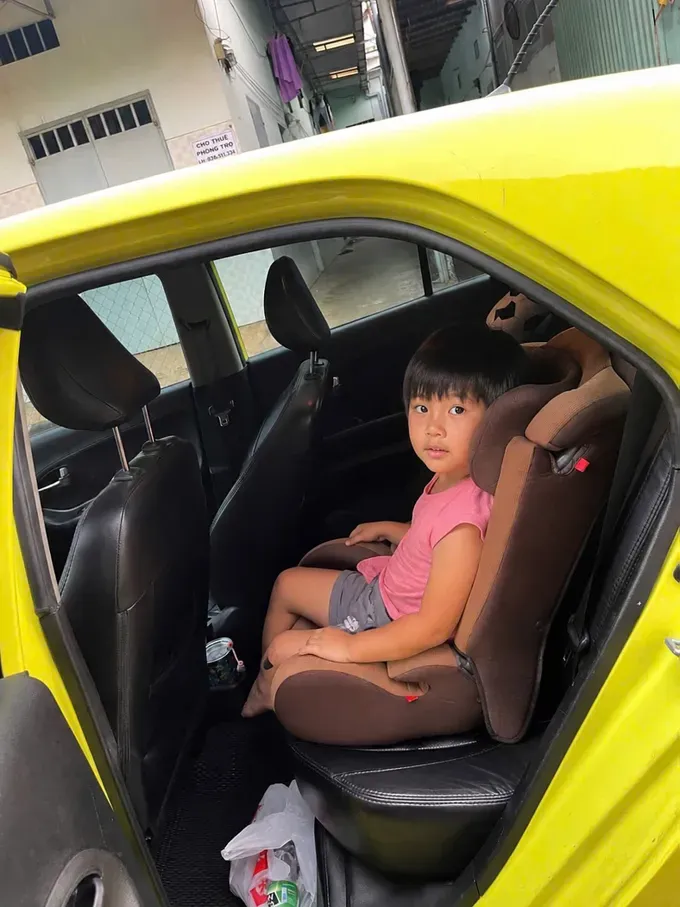
Truong Nguyen Thu, a mother of two in Tan Son Nhi Ward, Ho Chi Minh City, said her family has delayed buying a child car seat because of the wide range of brands and models available.
There are countless products online, and every seller claims they meet international safety standards. But it's difficult for consumers to know which ones actually comply with Vietnam's regulations.
Buying the wrong product would mean wasting money and risking that it won't comply with the new regulation once it comes into force, she said.
Tran Van Phi, a resident of Tan Phu Ward, raised similar concerns, asking what standards child seats must meet, whether compliant products should carry an official conformity mark, and whether motorists could be penalized for unknowingly purchasing substandard products.
Many parents are also seeking guidance on choosing the appropriate seat based on a child's height and weight, as well as proper installation.
Retailers also seek official guidance
Retailers say they face the same uncertainty. Le Van Thanh, who owns an automotive accessories shop on An Duong Vuong Street, said that customers most frequently ask which child seat will comply with the new regulation and help them avoid penalties.
Although his store sells products with clear origins and documentation, he said businesses need standardized criteria and an official product database to provide accurate advice.
According to the Ho Chi Minh City Department of Construction, the mandatory use of child restraint systems is governed by National Technical Regulation QCVN 123:2024/BGTVT. Products sold in Vietnam must receive a certificate of conformity, bear the national conformity mark, include product labeling and provide user instructions.
The Vietnam Register and relevant authorities are working to complete the necessary certification procedures before the regulation takes effect.
Traffic safety experts say the new rule will only achieve its intended benefits if parents choose certified products, install them correctly and use seats appropriate for their children's age, height and weight.
They urged authorities to promptly publish a list of accredited certification bodies and compliant products so consumers can make informed purchasing decisions and improve child safety in passenger vehicles.
The Ho Chi Minh City Traffic Police Division said that during the initial implementation period, officers will focus on inspections, public education and guidance rather than imposing penalties for violations.