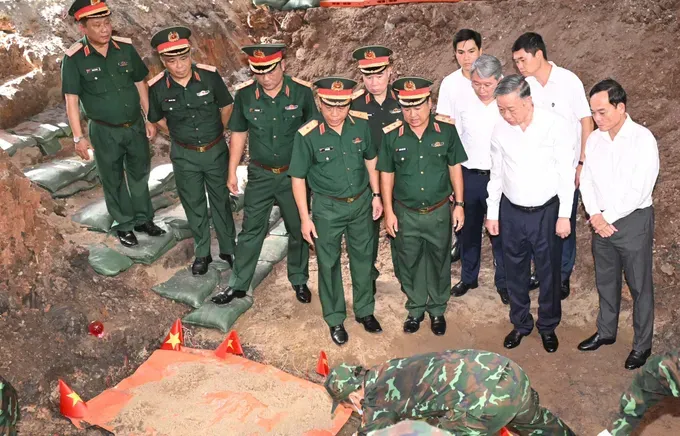
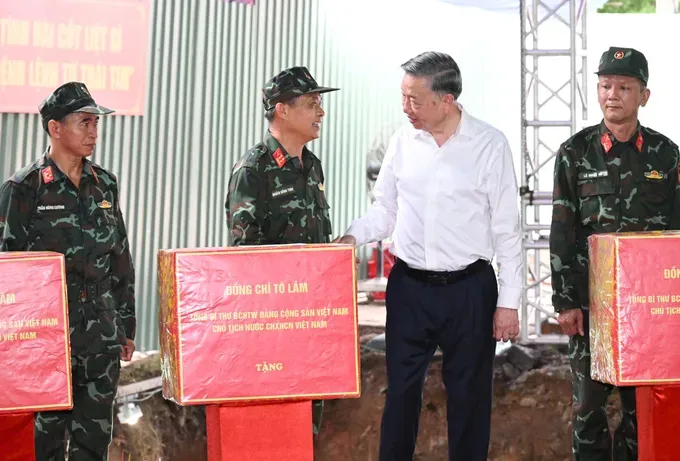
"Party General Secretary and State President To Lam at the search and recovery site for fallen soldiers' remains (Photo: SGGP)")
The Party General Secretary and State President personally inspected the mission's progress and working conditions on site. He also warmly inquired about the health and well-being of the officers and soldiers engaged in the search for the remains of fallen soldiers.
He affirmed that the Party and the State highly appreciate the strong sense of responsibility demonstrated by the National Steering Committee for the Search, Recovery and Identification of Fallen Soldiers' Remains; the Ministry of National Defence; the Ministry of Public Security; the Ministry of Health; the Ministry of Science and Technology; the Vietnam Academy of Science and Technology; the Ho Chi Minh City Party Committee and People's Committee; Military Region 7; local authorities; relevant agencies; scientists; historical witnesses; and the public for joining hands in carrying out this profoundly meaningful mission.
He wished the officers, soldiers, scientists, and all personnel involved in the mission good health, encouraging them to overcome every challenge and accomplish the tasks entrusted to them.
The Party General Secretary and State President expressed his sincere gratitude to people across the country for providing information, documents, and active support in the search efforts. He also expressed his hope for the continued support and close attention of the people and servicemen nationwide to help fulfill this noble mission.
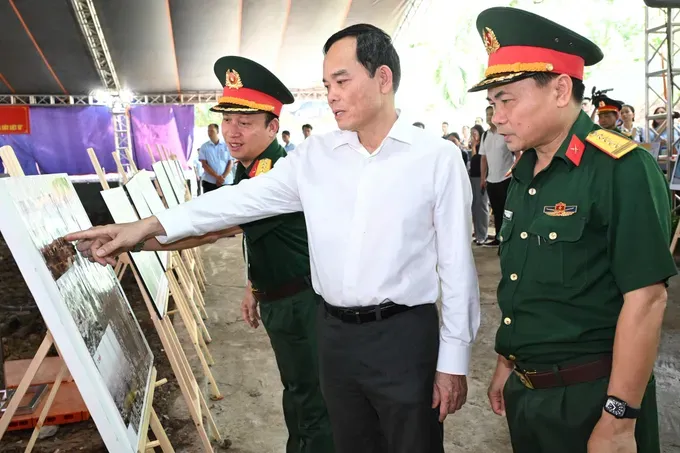
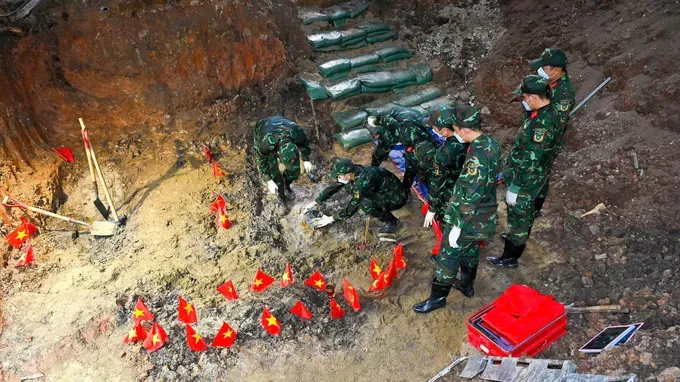
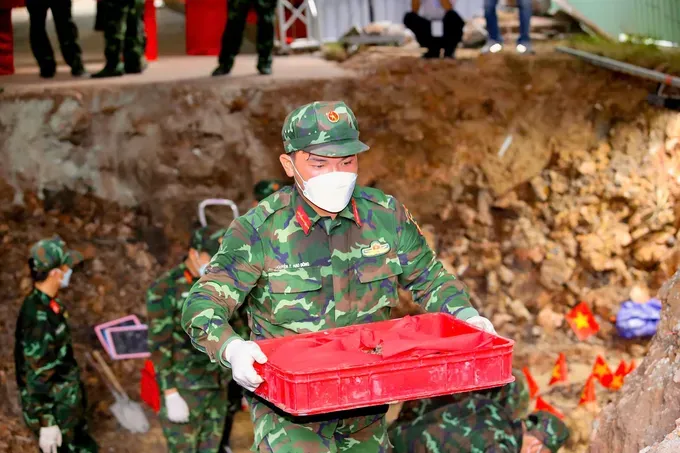
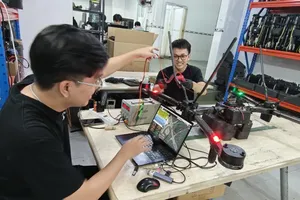
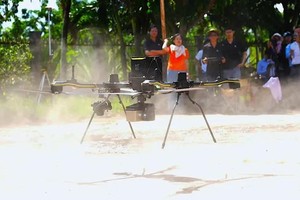
In particular, using various local and global information sources, modern science and technology, along with historical records, eyewitness stories, and on-site surveys, has created a new way to search for and recover the remains of fallen soldiers.
He described the approach as a highly commendable model that should be carefully studied, comprehensively reviewed, and replicated nationwide.
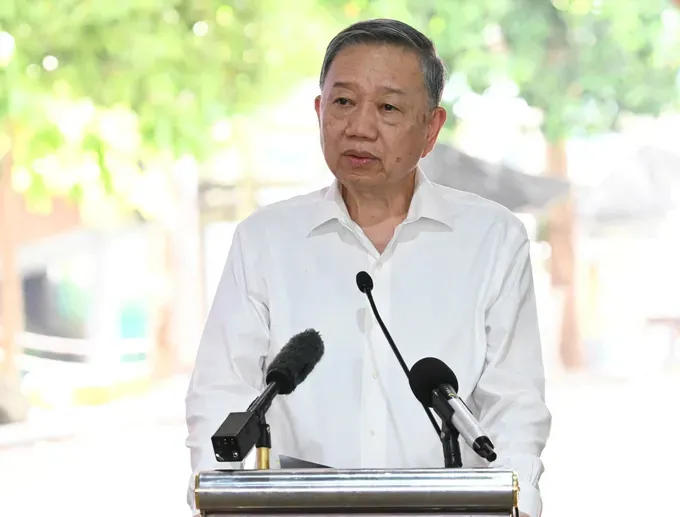
Regarding the tasks ahead, Party General Secretary and State President To Lam called on all levels of government, relevant sectors, and participating forces to focus on effectively carrying out five key priorities.
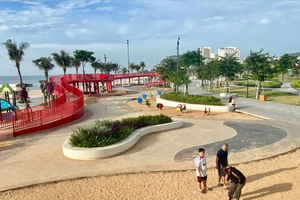
He urged Ho Chi Minh City to continue identifying the search, recovery, and identification of fallen soldiers' remains as a particularly important political task, while mobilizing the combined strength of the entire political system, scientists, historical witnesses, and the public. The city should expand its review of all locations that may contain the remains of fallen soldiers, not only at Le Thi Rieng Park but also at other sites where fierce battles took place during the resistance wars.
He also requested the High Command of Military Region 7, the Ho Chi Minh City High Command, and the Ho Chi Minh City People's Committee to strengthen further their leading role in directing coordinated efforts across the entire Military Region; develop a shared database; enhance information- and experience-sharing; and closely coordinate with localities to accelerate the search, recovery, and identification of fallen soldiers' remains throughout the Military Region.
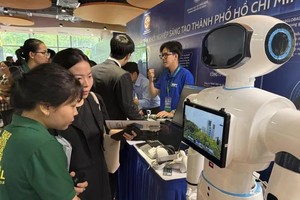
He called on ministries, central agencies, and relevant sectors to continue improving mechanisms and policies while accelerating the application of digital transformation, artificial intelligence, DNA technology, geophysical technologies, and the use of domestic and international archival materials to support the search for fallen soldiers.
He also stressed the need to expand international cooperation by drawing on documents, maps, wartime records, photographs, and eyewitness accounts from countries that were involved in the war to facilitate the search, recovery, and identification of fallen soldiers' remains.
In addition, he called for stronger communication and education efforts to promote the nation's revolutionary traditions, highlighting moving stories from the journey to locate and recover the remains of fallen heroes. Such efforts, he said, would help foster patriotism and nurture revolutionary ideals among younger generations.
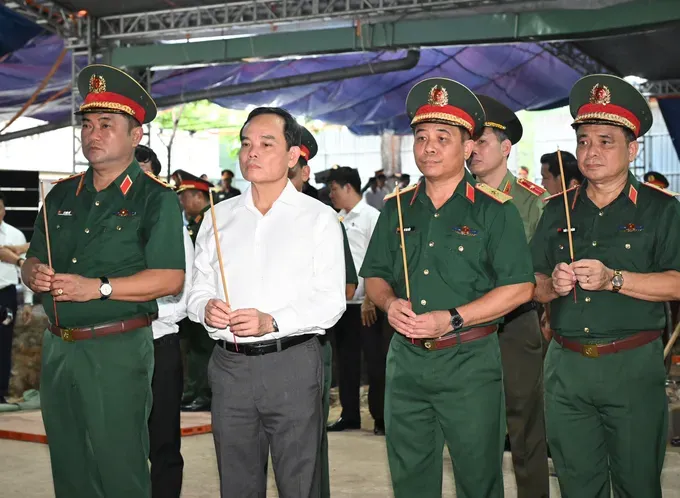
Party General Secretary and State President To Lam approved the policy of continuing the “500-Day Campaign to Intensify the Search, Recovery, and Identification of Fallen Soldiers’ Remains” with greater determination, broader scope, and more tangible results.
Building on the achievements of Ho Chi Minh City and Military Region 7, he called for the experience to be thoroughly studied and consolidated into a model for gradual implementation nationwide, to locate as many fallen soldiers' remains as possible, identify their identities, and return these fallen heroes to their hometowns and families.
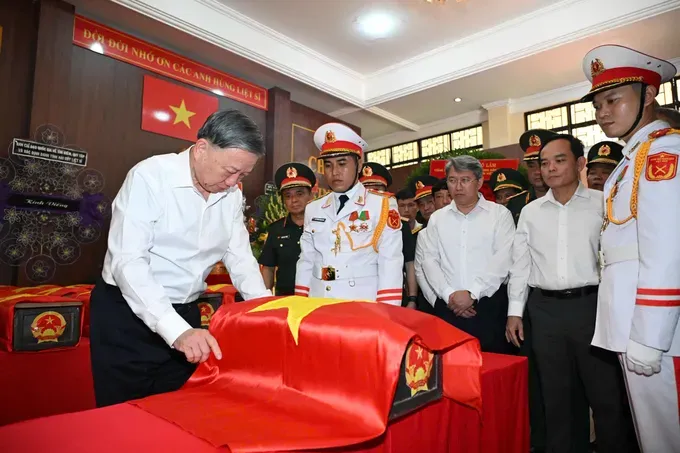
The Party General Secretary and State President also urged all levels of government and relevant agencies to study measures to preserve sites where significant fallen soldiers' burial locations have been discovered, integrating them into efforts to educate the public about the nation's revolutionary traditions and to honor the sacrifices of previous generations.



)