According to Plan No. 06-KH/TW issued by the Politburo on July 28, 2026 (Plan 06 – implementing the Conclusion of the 3rd Plenum of the 14th Party Central Committee on further improving and effectively operating the overall organizational model of the political system and the two-tier local government model), the Politburo has assigned the Party Committee of the Government to lead and direct the restructuring of public higher education institutions and vocational education institutions. The plan calls for transferring multi-disciplinary, multi-field higher education institutions to the management of either the Ministry of Education and Training or local authorities; merging and consolidating institutions located in the same area, except for those in specialized fields; and reducing by at least 20 percent the number of public higher education institutions nationwide. The restructuring must be completed before April 1, 2027.
The ongoing reorganization and streamlining of public higher education institutions and vocational schools is more than just a functional and structural overhaul; it is a strategic initiative aimed at building robust, highly competitive educational institutions. Sai Gon Giai Phong (SGGP) Newspaper presents key insights and perspectives from leading experts and managers on this critical transition.
Professor Le Quan, Deputy Minister of Education and Training, stated that the restructuring of the higher education network aims to streamline the system and concentrate resources on developing institutions capable of leading in training, scientific research, technology transfer, and innovation.
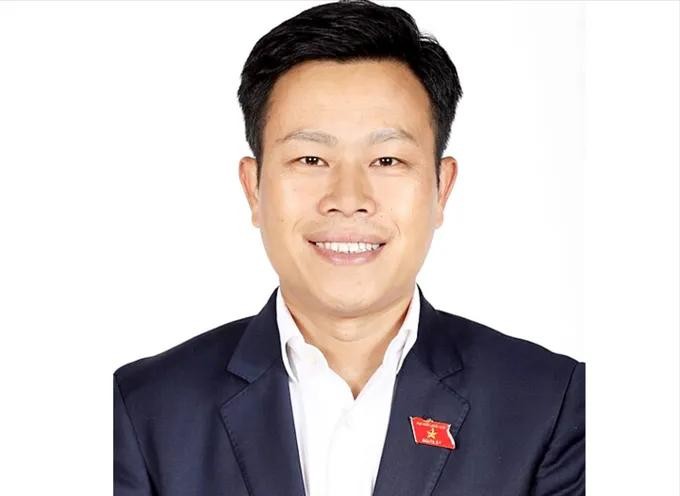
However, he emphasized that this process must not be carried out as a mechanical merger; instead, it must generate new developmental capacity based on clear strategies, a strong workforce, appropriate facilities, and effective governance.
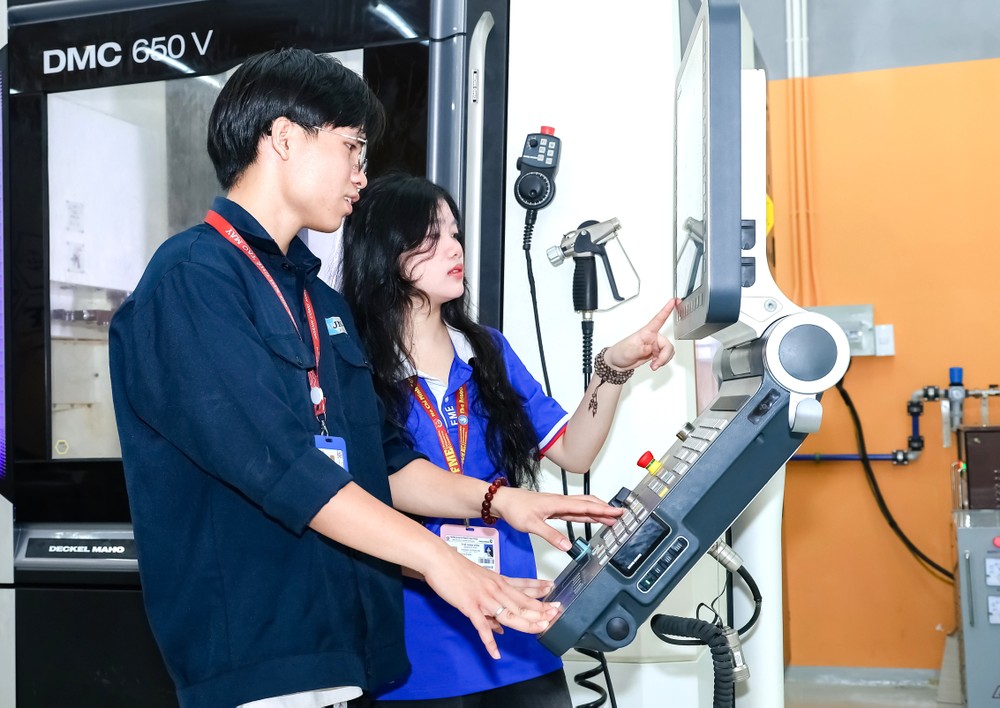
Plan 06 stipulates that the majority of vocational education and training institutions, excluding those with specific characteristics, will be transferred to local government management. This approach simultaneously addresses investment resource allocation and strengthens the alignment between training programs and local socio-economic development needs. With deeper local involvement, vocational schools will be better positioned to design curricula tailored to labor market demands, particularly in high-tech and skilled labor sectors.

According to Professor Bui Van Ga, former Deputy Minister of Education and Training, the policy to reorganize public universities is highly beneficial for streamlining the apparatus and forming large-scale institutions capable of international competition. This restructuring allows state investments to be more focused and targeted. Following the reorganization, universities can be stratified into elite and mass institutions.
Subsequently, the State can concentrate investments to ensure a correspondingly stratified workforce such as training chief architects, innovators, and inventors at the top tier; fostering innovation-driven professionals at the second tier; and developing technical practitioners at the base tier. Higher education stratification is essential to avoid perpetual, scattered investments.
Hoang Ngoc Vinh, former Director General of the Department of Professional Education under the Ministry of Education and Training, emphasized that the Government should establish a clear strategy to define institutional missions and objectives. The Politburo’s Plan No. 06-KH/TW seeks not only to reduce the number of schools but also to forge stronger institutions with superior governance and resource efficiency.

To prevent mechanical mergers, managing authorities must collaborate with related institutions, the Ministry of Education and Training, or local governments to draft a developmental strategy for newly formed entities before finalizing any reorganization decisions.
Institutions cannot simply be merged before determining their future direction. Prior to selecting an option, stakeholders must envision the post-merger institution's mission, target beneficiaries, priority fields, resource dependencies, and value-added capabilities compared to its predecessor components. This strategic framework establishes initial directional guidelines defining missions, goals, and core developmental axes to serve as a benchmark for selecting optimal restructuring options rather than focusing purely on quantitative targets or specific metrics.
Consequently, every proposal must include a 3-to-5-year strategic draft. This serves as the baseline for selecting the optimal merger plan, detailing added value and expected outcomes regarding educational quality, employment generation, research, technology transfer, corporate partnerships, and resource utilization. Selection must be driven by these metrics rather than administrative convenience or staff placement logistics.

Meanwhile, Associate Professor Tran Dinh Ly, Vice President of Nong Lam University Ho Chi Minh City, noted that amid accelerating university autonomy, digital transformation, and international integration, reviewing and reorganizing organizational structures is essential to concentrate resources on core missions such as education, scientific research, and community service.
However, the primary concern should not be the numerical reduction of administrative units, but whether governance quality improves post-reorganization. Stopping at mere administrative integration to hit quantity targets risks falling into "mechanical consolidation", which fails to improve efficiency and can even create operational friction. Therefore, streamlining must go hand in hand with the restructuring of functions, workflows, and management methodologies.
Every university possesses a unique mission, scale, training focus, and operational model. All organizational changes must prioritize the best interests of learners, serving as the ultimate benchmark for evaluating the success of the restructuring process.