The Department of Domestic Market Management and Development under the Ministry of Industry and Trade, on March 6, said escalating tensions in the Middle East are raising the risk of fresh instability in global energy markets.
In response, the Vietnamese Government has proactively rolled out a range of measures to safeguard national energy security. The Prime Minister has issued Decision No.385/QD-TTg establishing a task force to ensure energy security amid the increasingly complex developments in the Middle East conflict. At the same time, the Ministry of Industry and Trade has formed a specialized working group to closely monitor the situation and promptly advise on policy responses.
Domestic supply remains stable
According to a report from Vietnam Oil and Gas Group (PVN), crude oil production currently averages around 180,000 barrels per day, of which approximately 150,000 barrels per day are supplied to the Dung Quat Oil Refinery.
In terms of production capacity, the Dung Quat refinery is capable of maintaining stable operations at roughly 118 percent of its designed capacity through at least the end of April 2026, while continuing to fulfill fuel supply contracts with key petroleum distributors.
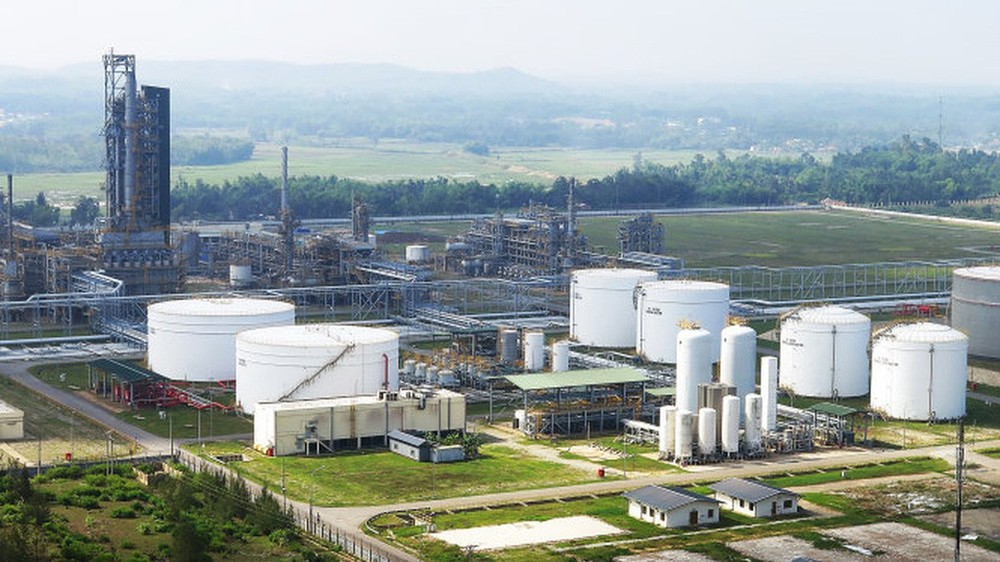
Meanwhile, the Nghi Son Refinery and Petrochemical Complex is also operating steadily, with sufficient feedstock secured to meet its production plans in the coming period. As a result, the country’s two major refineries—Dung Quat and Nghi Son—are continuing to operate normally, ensuring contracted fuel supplies to major distributors through the end of March 2026.
Alongside domestic production, petroleum distributors continue to import refined fuel products to meet market demand, although import and transportation costs have been rising. Combined with mandatory commercial reserves maintained by enterprises, the national fuel supply for March 2026 is considered largely assured.
However, the Ministry of Industry and Trade cautioned that if the conflict in the Middle East persists into April, the market could face greater challenges. In response, the Government, the Prime Minister, and relevant ministries are urgently working to remove bottlenecks and create favorable conditions for fuel production and imports to ensure adequate supply in the months ahead.
Shared responsibility for market stability
The Department of Domestic Market Management and Development noted that amid increasingly unpredictable global energy market fluctuations, maintaining stability in Vietnam’s fuel market depends not only on government policy measures but also on cooperation from businesses and consumers.
Petroleum products are strategic commodities and finite resources that play a crucial role in the functioning of the economy. Efficient and responsible fuel consumption, therefore, carries not only economic significance but also contributes to safeguarding national energy security.
The Ministry of Industry and Trade has continued to encourage citizens to adopt energy-saving practices, prioritize the use of public transportation, electric vehicles, and biofuels, and reduce reliance on conventional gasoline. Authorities also urged the public to remain calm amid market fluctuations and avoid unnecessary stockpiling of fuel.
For petroleum businesses, regulators have called on distributors to maintain a stable supply to the market, refrain from hoarding fuel, and avoid restricting sales in anticipation of price increases. Enterprises are expected to proactively ensure sufficient supply across their distribution networks.
Mr. Tran Huu Linh, Director of the Department of Domestic Market Management and Development, said that in times of market volatility, maintaining uninterrupted fuel supply—even when profit margins may narrow—demonstrates corporate social responsibility and solidarity with the broader economy. When the government, businesses, and citizens share responsibility, Vietnam’s fuel market can remain stable, helping to safeguard energy security and support sustainable socio-economic development.