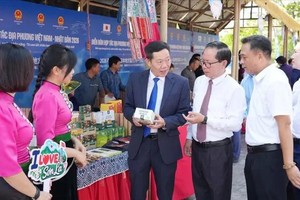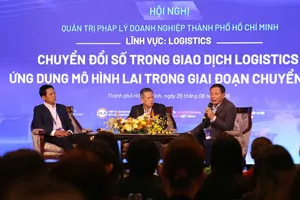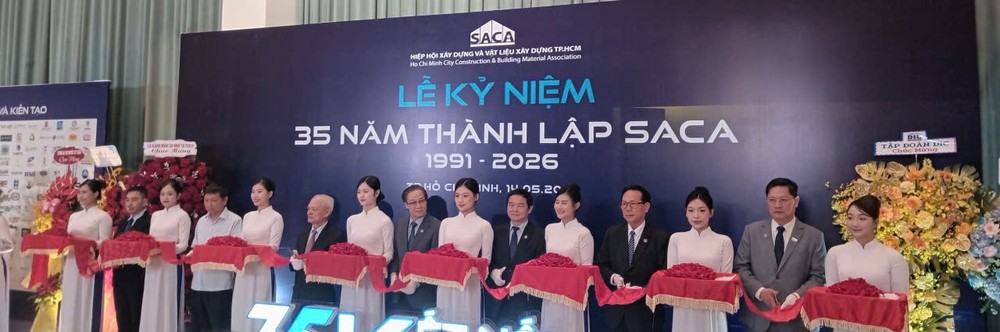
At the seminar titled “Connecting the Construction Ecosystem - Solutions for Brand and Business Development,” industry experts warned that construction firms are facing mounting pressure as the market undergoes rapid transformation.
According to Mr. Ngo Hoai Duc, Vice Chairman and Secretary General of SACA, the construction sector is grappling with multiple challenges, including cash flow constraints, intense competition, quality demands, digital transformation, green transition requirements, and the need to adapt to a new phase of development.
The market has also shifted the way partners are selected. Investors are no longer focused solely on pricing, but are increasingly assessing brand reputation, operational credibility, collaboration capabilities, and the strength of the ecosystem supporting each enterprise. As a result, competition is no longer confined to individual companies, but increasingly depends on the connectivity and efficiency of the broader supply chain involving investors, consultants, project management firms, material manufacturers, and related stakeholders.
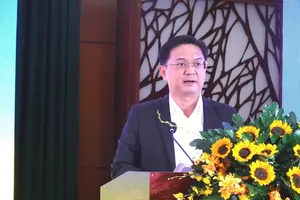
Ms. Vo Thi Lien Huong, CEO of Secoin Group, said exporters of construction materials continue to face significant obstacles as the sector remains heavily dependent on outsourcing and foreign direct investment enterprises, while the added value of products remains limited. She noted that Vietnam’s national branding has yet to match its manufacturing capacity, while institutional barriers, administrative procedures, and reliance on intermediaries continue to weaken competitiveness.
To export environmentally friendly bricks, tiles, and non-fired construction materials to nearly 60 countries, Secoin has pursued a strategy centered on distinctive identity and product value rather than competing on scale alone, Ms. Vo Thi Lien Huong added.
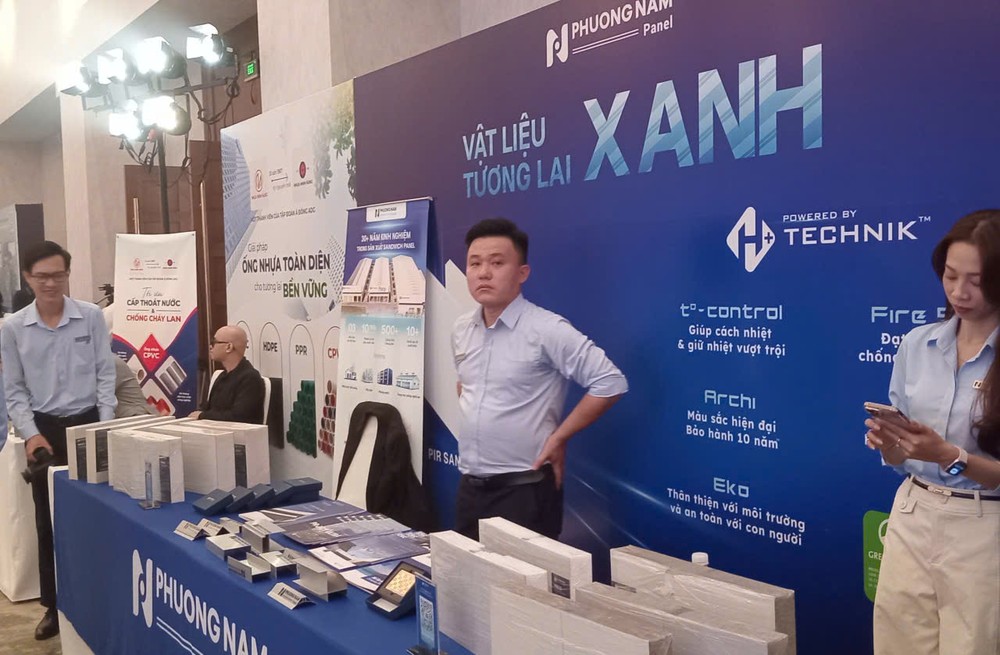
Participants at the conference noted that the construction industry is rapidly shifting toward smart urban development, green buildings, digital transformation, and sustainable development standards. In this context, businesses can no longer rely solely on size or scale, but must demonstrate competitiveness through technological innovation and market adaptability.
Echoing these views, representatives from the Ministry of Construction stressed that the building materials sector must prioritize production capacity and product quality while advancing the development of green, energy-efficient, and low-carbon materials to meet increasingly stringent domestic and international market standards.
The ministry pledged to continue working closely with businesses and industry associations to remove obstacles, refine policies, and create a more favorable environment for sustainable growth and international integration.