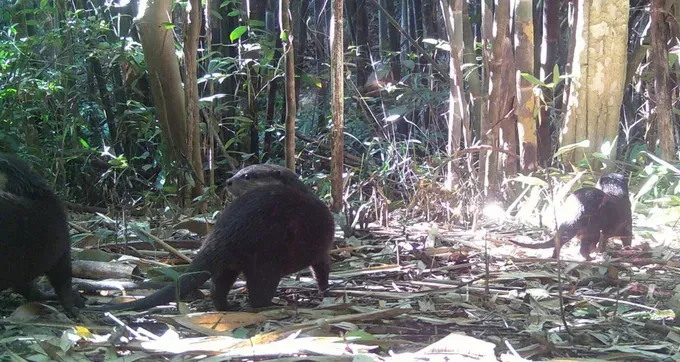
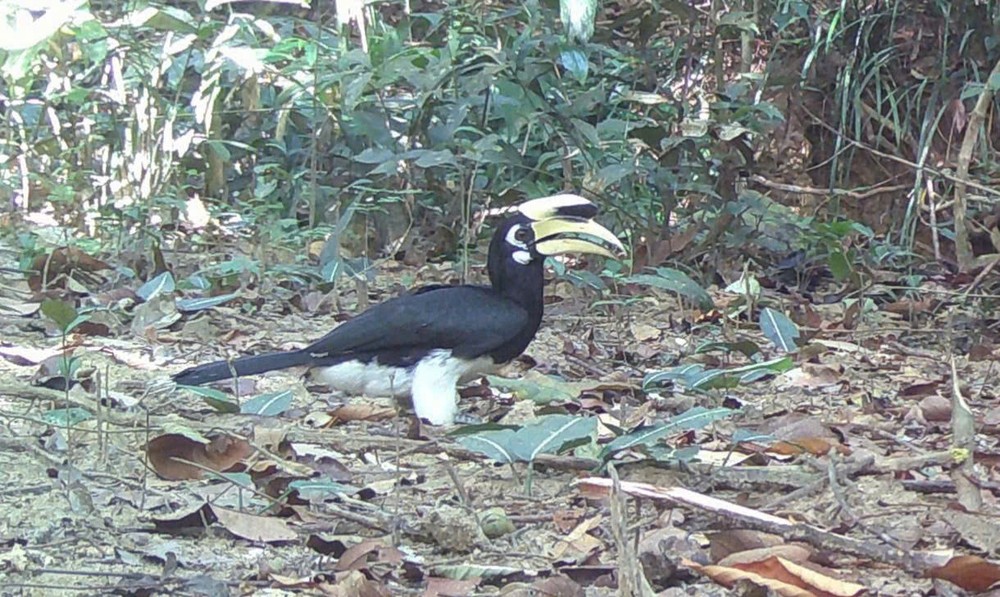
Mr. Dao Xuan Thuy, Director of Chu Mom Ray National Park in Quang Ngai Province, said on March 17 that through camera-trap technology, the park had for the first time recorded the presence of two rare wildlife species: otters and the great hornbill.
For many years, Chu Mom Ray National Park has installed 280 automatic cameras throughout the forest to monitor biodiversity.
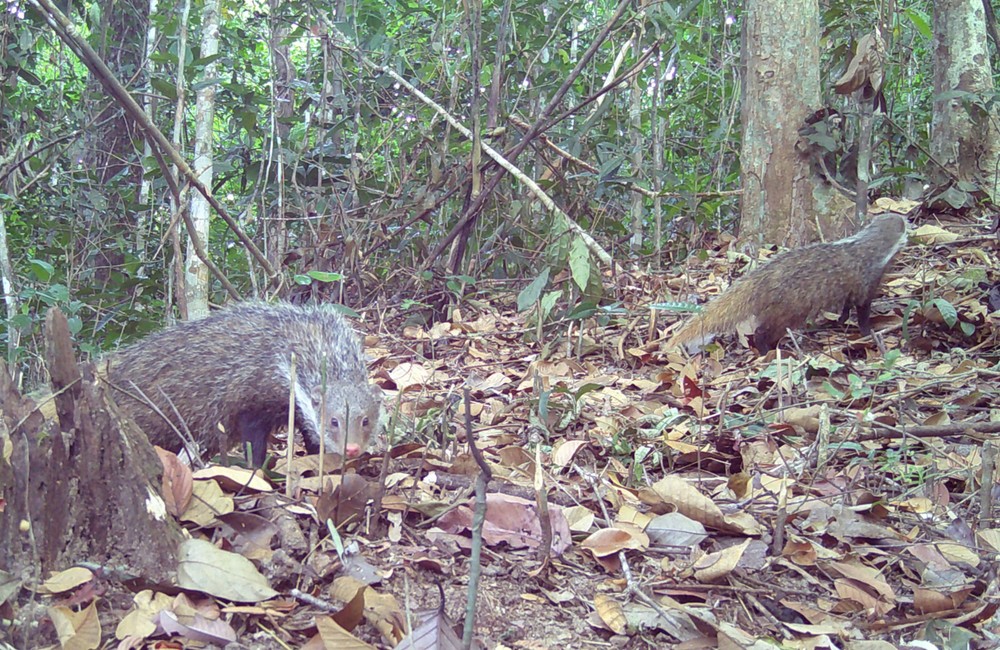
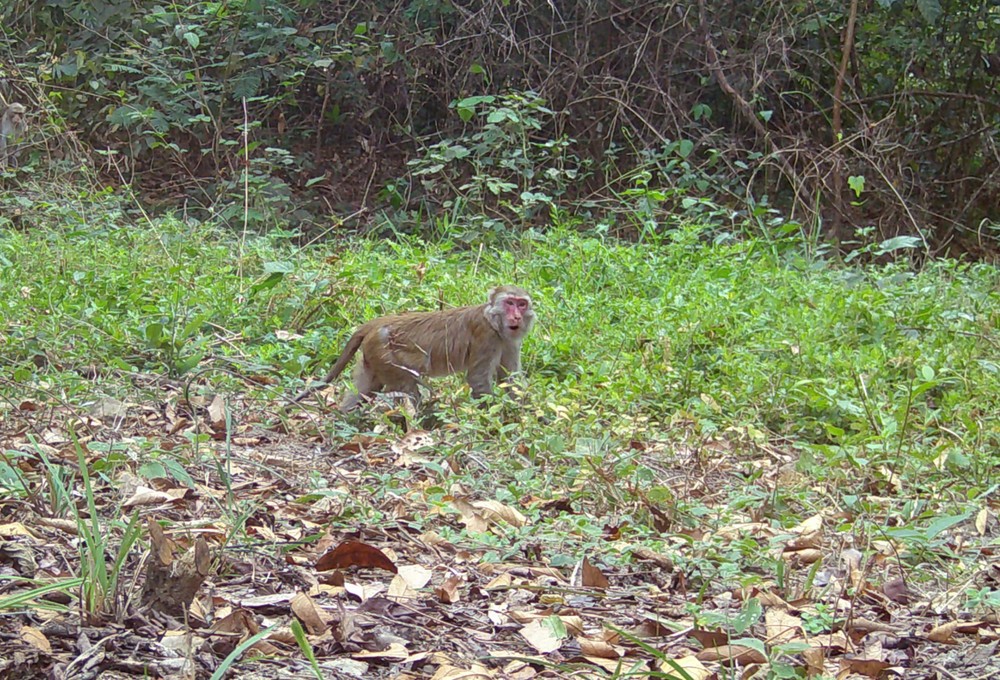
According to data collected from late 2025 to mid-March 2026, the camera-trap system recorded around 30 animal species. Among them, the otter and the great hornbill belong to Group IB, classified as endangered, rare, and precious forest wildlife that receive the highest level of protection.
The camera traps captured images of one great hornbill individual. This large tree-dwelling bird can weigh up to 3kg when fully grown, with a wingspan of nearly 1m. The recorded footage shows the bird descending to the ground in search of food.
Otters, meanwhile, possess highly valuable fur and have long been heavily hunted, placing them at risk of extinction in the wild.
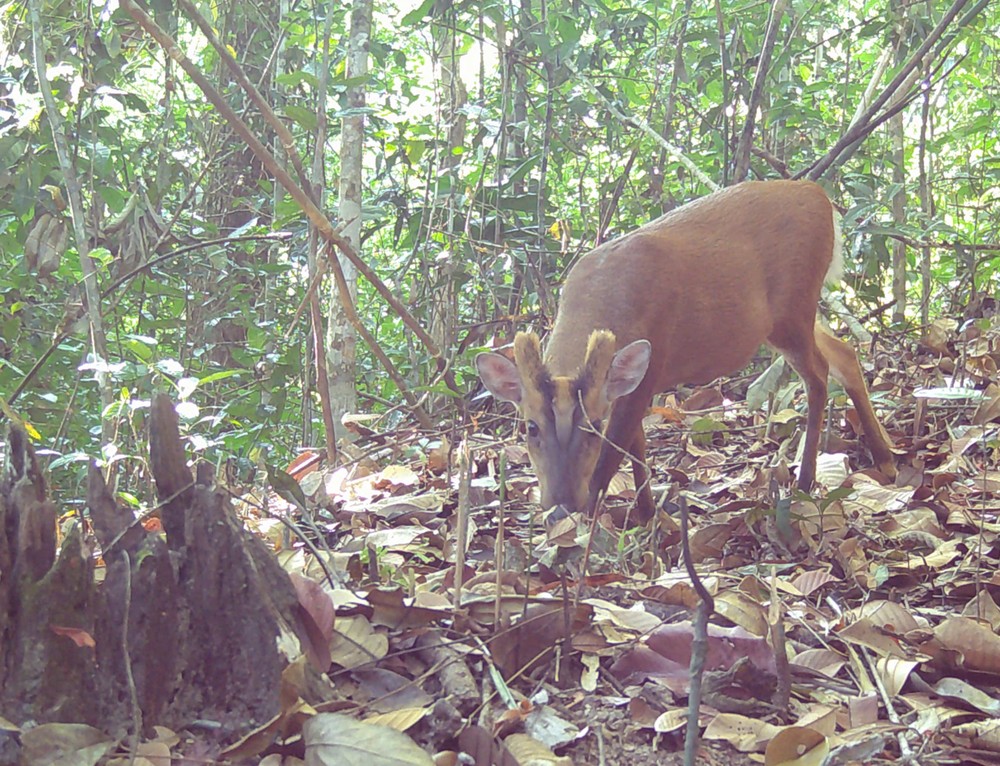
The camera-trap system also documented many other species, including monkeys, gibbons, red-shanked douc langurs, pheasants, barking deer, wildcats, snakes, and various reptiles.
According to Chu Mom Ray National Park, the recording of these rare species indicates that the forest ecosystem is being well protected, providing a favorable habitat for wildlife.