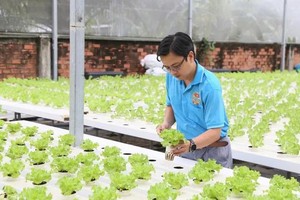
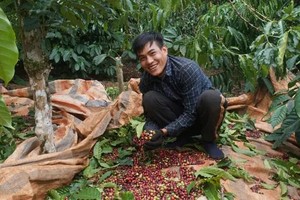
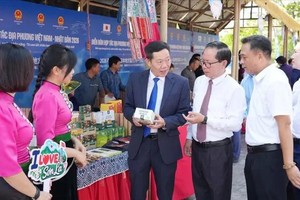
Statistics from the Ministry of Industry and Trade’s Agency of Foreign Trade show that demand for agro-forestry-fishery products in ASEAN has maintained steady growth in recent years. Malaysia, for example, recorded average annual growth of 6.03 percent in fruit and vegetable imports during 2021–2025, with the value reaching a peak of US$2.95 billion in 2025.
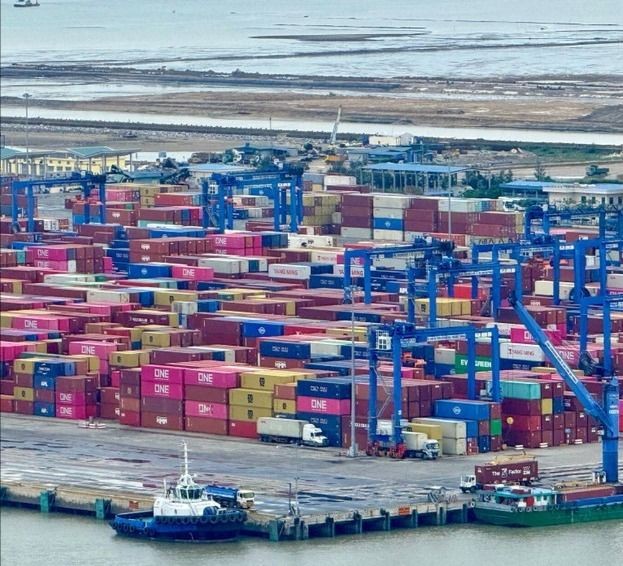
Vietnam is currently Malaysia’s seventh-largest fruit and vegetable supplier, holding a 3.52 percent market share. Products such as dragon fruit, frozen durian, mango and longan continue to enjoy competitive advantages, while the Ri6 durian variety has seen rising demand for Halal food processing.
Positive signals have also been noted in other sectors. In Singapore, Vietnam became the third-largest seafood supplier in 2025 with export turnover of SGD125.5 million (more than US$98 million), accounting for 10.3 percent of the market. Meanwhile, Vietnam rose to fourth place among rubber suppliers to Indonesia, with export volume soaring 125.1 percent to 48,710 tons in 2025.
Pepper exports to Thailand have surged as well, with Vietnam meeting nearly all of the country’s import demand in January 2026. Rice exports to the Philippines remain particularly robust, accounting for more than half of Vietnam’s total rice export volume in January this year.
Despite the good outlook, experts cautioned that competition in ASEAN is intensifying. Vietnamese enterprises are advised to strengthen distribution networks, enhance product innovation and closely monitor policy changes and trade-defence measures in importing markets to sustain and expand their market share.