In recent days, authorities in 29 communes across Ho Chi Minh City that qualify for ward status have conducted public consultations and finalized documentation for ward establishment proposals. The transition marks a major step toward a modern urban governance model, providing additional resources for infrastructure development and better services for residents and businesses.
Better conditions for improved public services
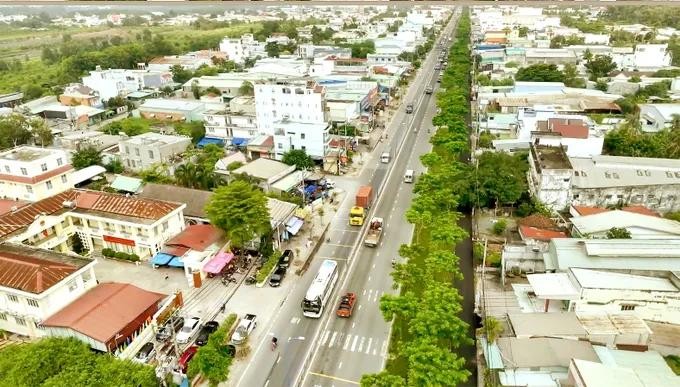
Shortly after 7 a.m. on a weekday, Nguyen Thi Thuy Trang, Head of the Economic Division of Bau Bang Commune, arrived at the commune People's Committee office to review documents before meeting residents. On her desk were dozens of files related to land management, environmental issues, business registration, construction permits, and other administrative procedures.
On average, Trang and her colleagues process around 50 applications from residents and businesses each day. The commune's workload is comparable to that of some wards, despite having fewer personnel, with each official responsible for multiple areas. As a result, she said, upgrading the commune to ward status would provide additional resources to better serve residents.
Also among the 29 qualifying localities, Tan Vinh Loc Commune views its planned conversion into a ward as a significant milestone. Chairman Nguyen Thanh Nhan of the Tan Vinh Loc Commune People's Committee said that ward status would create better conditions for upgrading transport infrastructure, public lighting systems, green spaces, parks, schools, healthcare facilities, and digital infrastructure to meet the needs of residents in a modern urban environment.
Residents would also gain easier access to public administrative services through greater application of digital technology, reducing the time and cost required to complete administrative procedures. A cleaner, safer, and more civilized living environment is another key benefit expected from the transition. More importantly, ward status is expected to attract investment, promote trade and services, create jobs, and increase incomes for local residents.
Many residents living in communes eligible for conversion have expressed optimism about a new phase of development. Nguyen Thi Cham, 66, from Hamlet 9 in Tan Vinh Loc Commune, hopes infrastructure development will be prioritized once the commune becomes a ward, helping improve living standards. Similarly, Luu Doan Hop, Party Cell Secretary and head of Hamlet 75 in Tan Vinh Loc Commune, said most residents strongly support the policy and are enthusiastic about this major turning point for the locality.
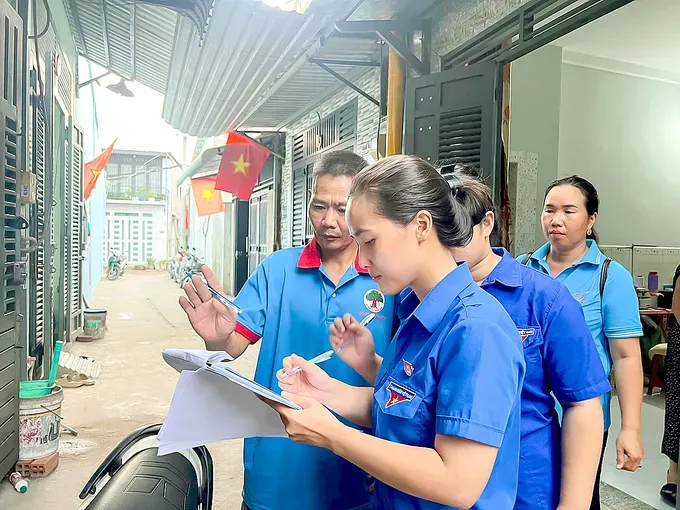
The Standing Committee of the Ho Chi Minh City Party Committee recently approved the establishment of urban administrative units for 29 communes that satisfy all nine criteria stipulated under Article 5 of Resolution No. 112/2025/UBTVQH15 of the National Assembly Standing Committee. The communes are An Nhon Tay, Binh Hung, Binh Chanh, Ba Diem, Binh Loi, Binh My, Dong Thanh, Hoc Mon, Hung Long, Long Hai, Long Dien, Nha Be, Ho Tram, Ngai Giao, Tan An Hoi, Tan Nhut, Tan Vinh Loc, Vinh Loc, Xuan Thoi Son, Thai My, Cu Chi, Dat Do, Can Gio, Hiep Phuoc, Phu Hoa Dong, Chau Pha, Long Son, Bau Bang, and Bac Tan Uyen.
Ready for a new development phase
The communes have been accelerating preparations and completing documentation and draft proposals for ward establishment. Alongside broad public support, residents have voiced expectations for improved roads, drainage systems, schools, healthcare facilities, and an overall higher quality of life. Local authorities are therefore defining clear urban development strategies for the future.
According to Vo Phan Le Nguyen, Chairman of the Nha Be Commune People's Committee, the transition to an urban administrative unit is a historic milestone. Nha Be Commune is implementing a comprehensive action plan built on three key pillars: infrastructure development, digital transformation, and administrative reform.
The commune is following the principle that planning and infrastructure development must come first. Between 2026 and 2028, priority will be given to addressing flooding bottlenecks, dredging drainage systems, and accelerating centralized wastewater treatment projects. During the 2028-2030 period, the commune plans to upgrade its internal road network and expand public green spaces with the goal of achieving Class II urban status by 2030.
Nha Be also aims to develop smart urban governance through the digitization and integration of land, construction, and civil status databases; online temporary residence registration in apartment complexes; application of geographic information systems (GIS) to monitor construction order; and operation of a mobile application that allows residents to report local issues around the clock.

Chairwoman Nguyen Thi Liem of the Binh Loi Commune People's Committee said the locality is positioned for strong urban, industrial, and social housing development thanks to its large land reserves and favorable transport infrastructure. The commune will continue reviewing and strengthening its organizational structure, improving the quality of its civil servants, and accelerating digital transformation through electronic records systems and online public services.
At the same time, Binh Loi will prioritize investment in transportation, drainage, public lighting, urban greenery, telecommunications infrastructure, and community facilities.
Chairman Phan Minh Hop of the Chau Pha Commune People's Committee said the urban government model would facilitate broader application of information technology, development of digital databases, greater integration of administrative procedures, and more effective urban management. Residents expect faster administrative processing, better-connected databases, more specialized urban management staff, and stronger enforcement of regulations related to construction, environmental protection, urban order, and sidewalk management.
Chairwoman Nguyen Mau Phuong Quynh of the Dong Thanh Commune People's Committee emphasized that the locality aims to develop into a modern ecological urban area focused on trade and services while making effective use of its location along the Saigon River. The commune will continue strengthening its urban government structure under the ward model, expanding online public services, improving service quality for residents and businesses, and investing in transportation, education, healthcare, and public facilities that meet urban standards.