At the mid-term review conference of the project “Strengthening International Cooperation to Build and Develop Vietnam’s Halal Industry by 2030”, a representative from the Ministry of Foreign Affairs highlighted that with more than 2.2 billion Muslims worldwide and a global Halal market valued at US$8 trillion, the Halal industry encompassing food, pharmaceuticals, cosmetics, fashion, tourism, and finance has become one of the fastest-growing consumer sectors in the world. Many provinces in the Southeast and Mekong Delta regions are now setting their sights on developing this promising market.
Tapping into a multi-trillion-dollar opportunity
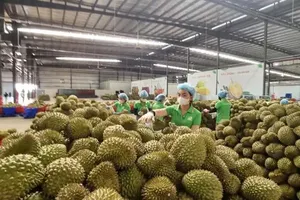
According to the Ministry of Foreign Affairs, the global Halal market is projected to reach US$12 trillion within the next five years. Food remains the dominant segment, accounting for about 65 percent of total trade value, with a focus on agricultural products, processed foods, beverages, spices, and essential consumer goods. Vietnam is increasingly viewed as a potential gateway linking regional Halal markets with the global economy.
Among the localities leading this effort, Tay Ninh Province, which is located along Vietnam’s southwestern border, has been identified as a key area for developing the Halal goods industry. The province records annual exports of hundreds of millions of US dollars. General Director Dang Khanh Duy of Tan Nhien Company in Tay Ninh Province’s Long Hoa Ward shared that the company recently received its first orders from Malaysia, one of the world’s leading Halal markets.
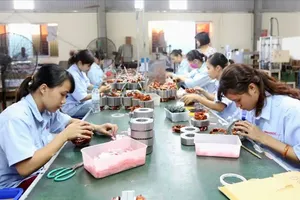
CEO Dang Khanh Duy revealed that the company has invested in a modern, closed-loop production line, from dough preparation and rice paper drying using infrared ovens to final packaging. Thanks to these innovations, Tan Nhien rice paper has earned a national 5-star OCOP certification. With plant-based ingredients, a clean production process, no preservatives, and transparent traceability, the company’s products fully meet Halal export standards.
Similarly, since 2023, Hung Nhon Group and De Heus Group (the Netherlands) have formed a joint venture in Tay Ninh to produce and export meat products to Halal markets. From breeding and feed supply to farming and processing, all steps are tightly controlled to ensure full compliance with Halal standards and the prohibition of restricted substances.
Chairman and CEO of Hung Nhon Group Vu Manh Hung noted that the company is working closely with international Halal certification organizations to perfect documentation, processes, and management systems. Their goal is not only to meet Halal market requirements but also to elevate the quality and global reputation of Vietnamese agricultural products.
Beyond trade, the tourism sector is also recognizing Halal’s potential. In An Giang Province, Cham villages such as Chau Giang and Da Phuoc, along with mosques in Chau Phong, Vinh Hau, and Vinh Hanh communes, have recently attracted growing numbers of visitors. Meanwhile, Phu Quoc Island, with its pristine landscapes and modern infrastructure, has become an appealing destination for Muslim travelers.
Challenges to overcome
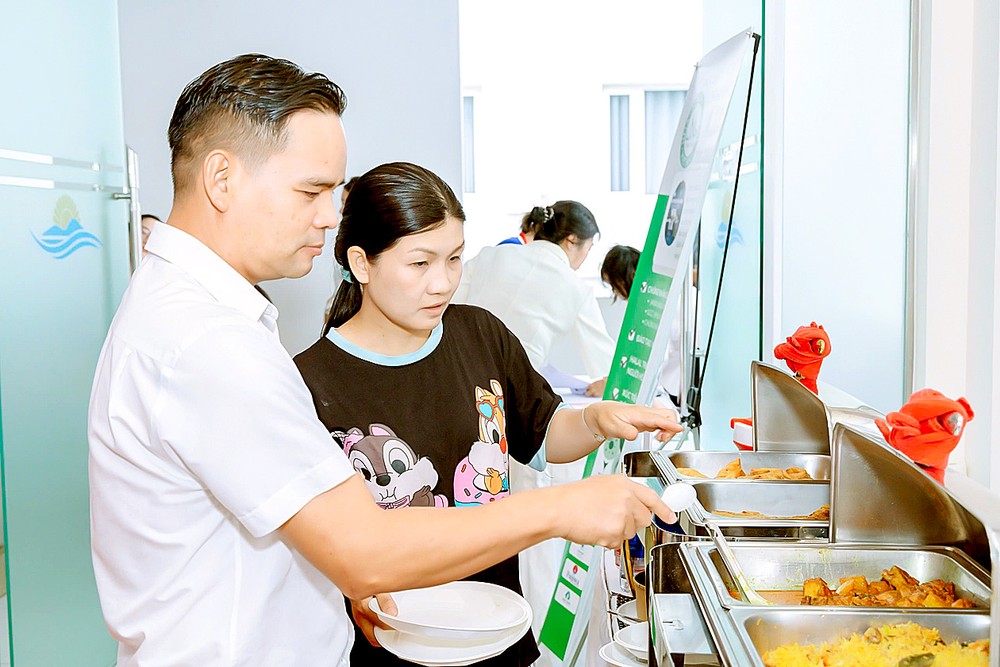
According to Nguyen Thi Ngoc Yen, International Business Director of Vina Phu Quoc Travel, catering to Muslim travelers requires far greater attention to detail than conventional tourism. “We spent months preparing to ensure a seamless experience for guests,” she said. “All seafood and ingredients are Halal-certified, spices are traceable, and dishes are arranged separately. Tour guides are trained to design itineraries that align with prayer times while showcasing local culture and nature.”
Despite its enormous potential, Vietnam’s Halal industry still faces major obstacles. Director Tran Van Tan Cuong of Vietnam National Halal Company observed that with a small Muslim population, the country lacks a sufficient workforce trained in Halal certification processes, making it difficult for many businesses to penetrate the market effectively.
He emphasized that local governments and enterprises must recognize the Halal sector’s strategic importance and invest accordingly in infrastructure, human resources, and international cooperation. Strengthened bilateral and multilateral partnerships are needed to boost trade, investment, and tourism with Muslim-majority countries.
In the tourism field, Chairman Nguyen Vu Khac Huy of the An Giang Tourism Association stressed the need for a long-term strategy to develop diverse destinations, build a skilled workforce for Halal tourism, and encourage repeat visits from Muslim travelers through high-quality service experiences.
Vice Chairman Nguyen Hong Thanh of the Tay Ninh Provincial People’s Committee affirmed that to advance the Halal industry, standardizing products and services, leveraging regional advantages, and deepening partnerships with key Halal markets will be essential. Tay Ninh Province, he said, is committed to providing favorable conditions in infrastructure, land, and investment environment, enabling domestic and international enterprises to promote trade, connect with Halal distribution systems, and open the door to this multi-trillion-dollar market in a new era of growth.