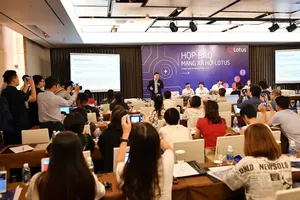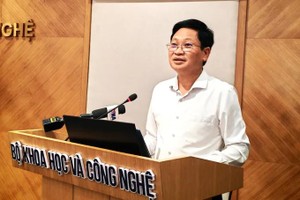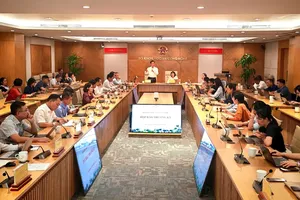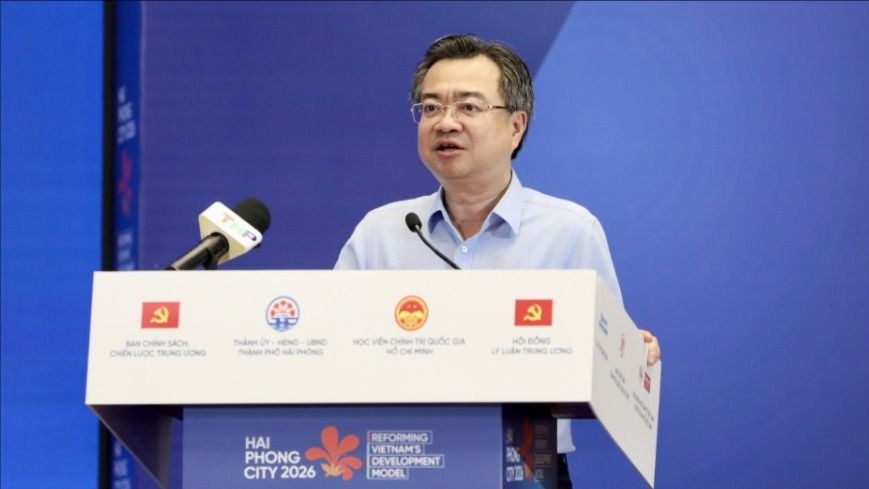
At the national scientific conference titled “Reforming Vietnam’s Development Model Based on Science, Technology, Innovation, and Digital Transformation” held on May 26, delegates underscored the decisive role of human capital in shaping the country’s long-term growth trajectory.
The event, jointly organized by the Central Policy and Strategy Commission, the Ho Chi Minh National Academy of Politics, the Central Theoretical Council, and the Hai Phong Party Committee, drew around 300 participants, including government officials, local leaders, domestic and international experts, and scientists. Discussions focused on refining a national project to transform Vietnam into a developed, high-income country by 2045 through science, technology, innovation, and digital transformation.
Opening the conference, Mr. Nguyen Thanh Nghi, Head of the Central Policy and Strategy Commission, stressed that shifting the national development model toward science, technology, innovation, and digitalization was not only an objective necessity but also a strategic choice that would determine the country’s future.
He noted that although Vietnam’s current growth model had helped elevate the country to the world’s 32nd-largest economy by 2025, it had also revealed structural weaknesses due to excessive dependence on capital, natural resources, and low-cost labor. Entering what he described as a new era of national advancement, Vietnam must instead build growth on knowledge, data, and a highly skilled workforce.
According to Mr. Nguyen Thanh Nghi, the country’s foremost priority is to develop a national innovation ecosystem while fostering globally competitive high-tech industries. He emphasized that science, technology, and innovation should become the primary drivers of economic expansion rather than supplementary factors.
Echoing that view, Prof. – Dr. Nguyen Xuan Thang, Chairman of the Central Theoretical Council, said the new development model must strike a balance between continuity and reform, as well as between rapid growth and sustainability.
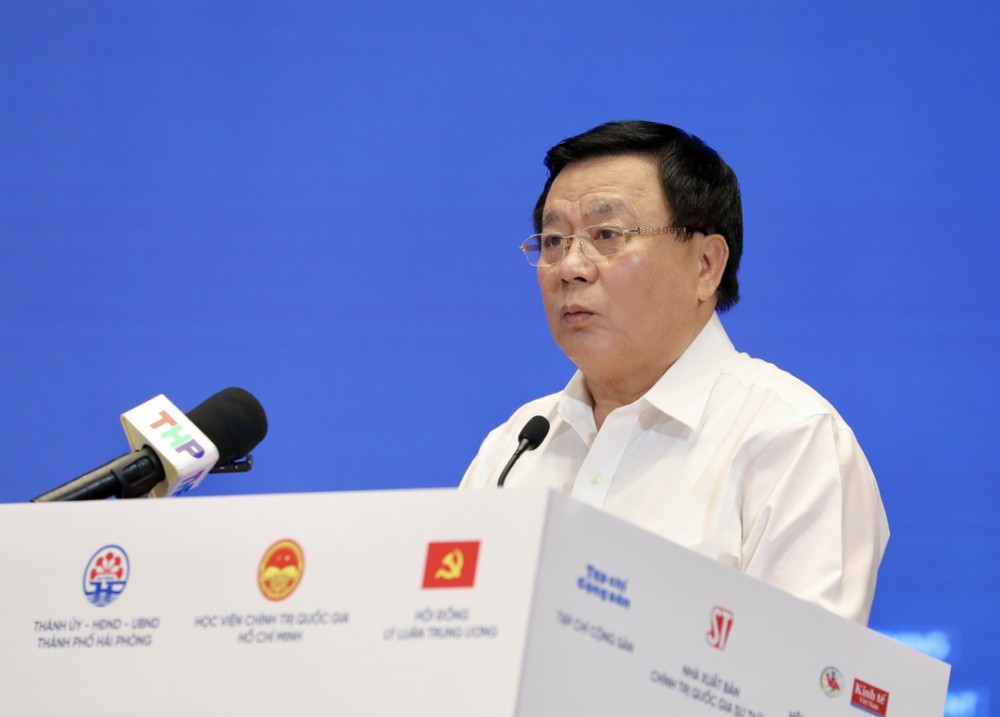
“Renewing the development model is not confined to the economy alone. It requires a comprehensive transformation in mindset, governance, and leadership methods, in which people are both the ultimate goal and the intrinsic driving force of development,” he said.
Mr. Nguyen Xuan Thang also called for a major shift in the role of the State, arguing that the government should move away from traditional administrative management toward a development-oriented governance model. Rather than replacing the market, the state should focus on building institutions, digital infrastructure, and data systems capable of enabling innovation and economic dynamism.
In a policy paper submitted to the conference, Dr. Nguyen Dinh Cung, former Director of the Central Institute for Economic Management Research, proposed redirecting Vietnam’s financial system from “asset finance,” heavily tied to real estate, toward “production and technology finance.”
Under this approach, banks would prioritize lending based on corporate cash flow and value creation instead of relying mainly on land collateral. He also recommended establishing venture capital funds dedicated to innovation while tightening controls over speculative asset gains in order to channel talent and resources into industrial and technological sectors.
From an international development perspective, Ms. Francesca Nardini, Representative of the United Nations Development Program, urged Vietnam to strengthen the capacity of small and medium-sized enterprises so they can integrate more deeply into the value chains of foreign-invested companies.
She also proposed raising national spending on research and development to 2 percent of GDP while narrowing the gap between scientific research and commercial application. According to the UNDP representative, stronger links between laboratories, universities, and businesses would be essential for Vietnam to improve productivity and technological self-reliance.
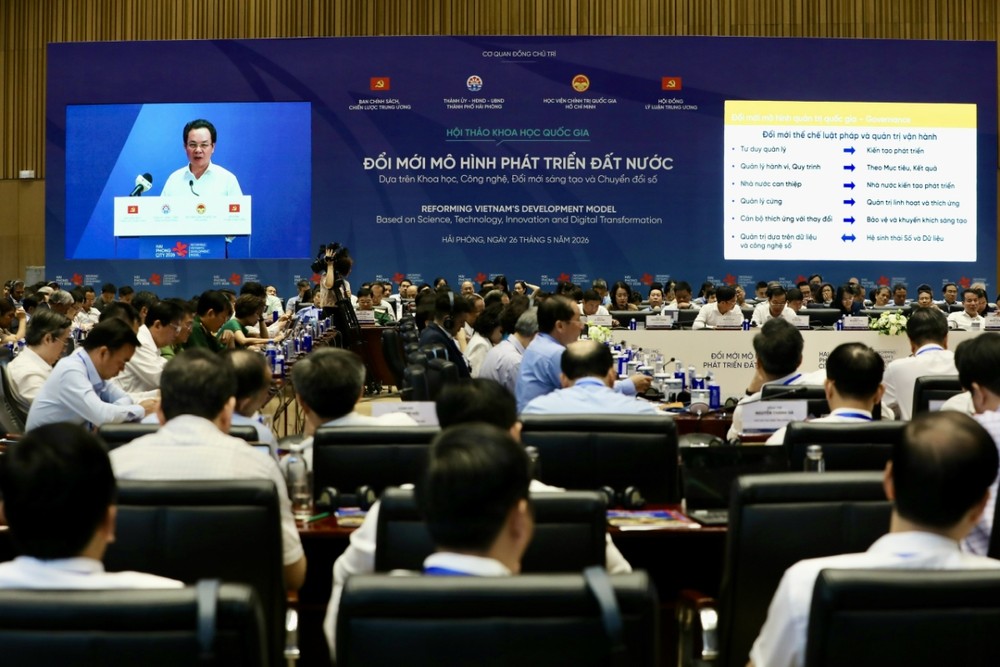
On infrastructure and urbanization, delegates highlighted the need to modernize the national power grid to ensure energy security for high-tech industries such as semiconductors. Dr. Nguyen Dinh Cung argued that urbanization strategies should be tied to logistics networks, universities, and the digital economy instead of merely generating land value.
Experts at the conference also agreed that Vietnam must fundamentally overhaul its evaluation system. Rather than focusing primarily on quantitative indicators such as GDP size, the country should adopt qualitative performance metrics, including labor productivity, domestic value creation, quality of life, public happiness, and national resilience. Participants described this transition as critical for helping Vietnam escape the middle-income trap and secure sustainable long-term development.