Reporters from Sai Gon Giai Phong (SGGP) Newspaper have collected opinions from leaders of ministries and agencies as well as experts regarding efforts to promote self-reliance and resilience, and to join hands in building a strong and prosperous nation.
Mr. Nguyen Van Duoc, Chairman of the Ho Chi Minh City People’s Committee: “Developing Ho Chi Minh City into an institutional laboratory.”
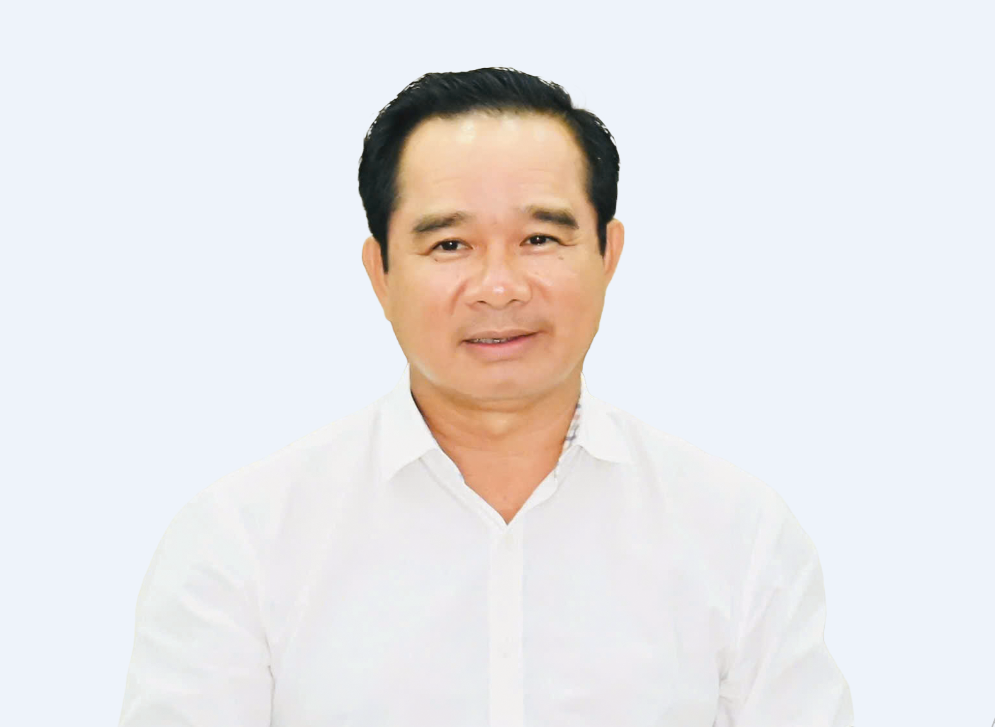
The aspiration to turn Vietnam into a strong, prosperous and happy nation by 2045 is a strategic orientation. As the country’s leading economic engine, Ho Chi Minh City is deeply aware of its responsibility to take the lead in innovation, creativity, and action toward this shared national goal.
This orientation has also been clearly defined in the Resolution of the First Congress of the Ho Chi Minh City Party Committee for the 2025–2030 term. Accordingly, the city will mobilize all available resources and effectively tap its potential, advantages and strategic position, while promoting the development of science and technology, innovation and digital transformation to drive rapid and sustainable socio-economic growth.
With a vision to rank among the world’s top 100 cities in terms of quality of life by 2045, the city will focus on developing urban transport infrastructure and digital infrastructure, fostering science and technology and innovation, while improving cultural and social life and ensuring national defense and security. These efforts aim to enhance infrastructure quality and unlock resources for long-term development. This approach also helps spread the spirit of innovation and create momentum for transforming the growth model, contributing to the building of a strong, self-reliant, and highly competitive economy.
Ho Chi Minh City will continue to effectively leverage special mechanisms under National Assembly Resolution No. 260/2025/QH15, which amends and supplements several provisions of Resolution No. 98/2023/QH15 on piloting specific mechanisms and policies for the city’s development, particularly new models in finance, investment, and free trade zones. Through this process, the city aims to transform itself into an “institutional laboratory”, where modern governance models are developed and directly contribute to the country’s overall development.
The success of this transformation depends critically on the quality of the cadre workforce. The city will advance decentralization and delegation of authority in tandem with rigorous oversight, while establishing mechanisms to safeguard officials who demonstrate initiative, accountability, and a commitment to the common good.
Ho Chi Minh City is committed to renewing its development model, fully mobilizing all available potential, and building a professional, efficient, and service-oriented public administration that delivers clear, measurable, and tangible outcomes in governance, economic growth and public service quality.
Mr. Tran Hong Minh, Minister of Construction: “Creating breakthroughs in infrastructure.”
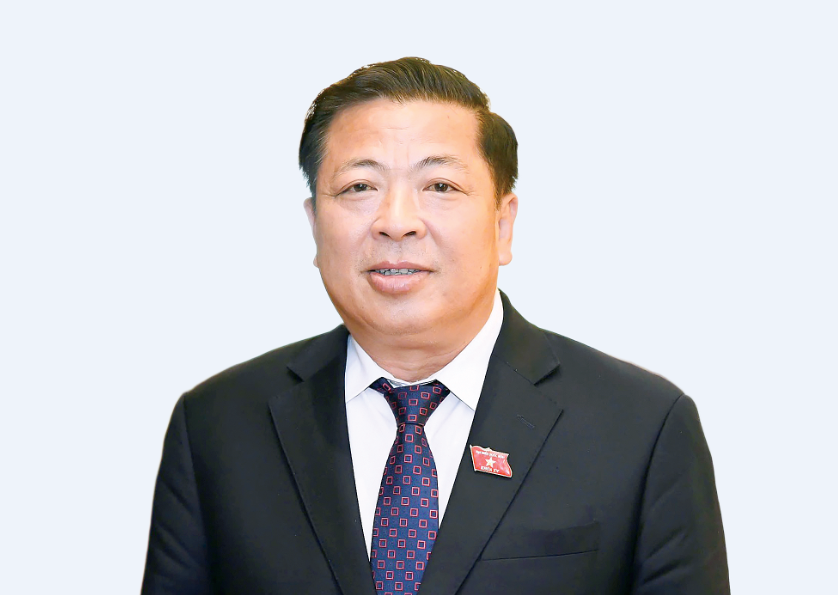
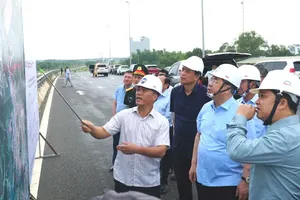
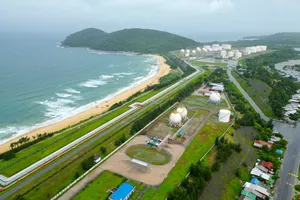
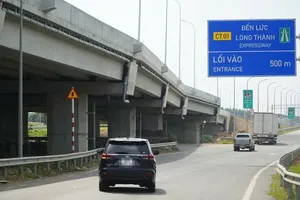
By the end of 2025, Vietnam have completed approximately 3,803 kilometers of expressways and 1,700 kilometers of coastal roads.
Entering 2026, the country will continue to prioritize investment in major strategic infrastructure projects, accelerate the implementation of the Lao Cai – Hanoi – Hai Phong railway, rail lines connecting with China, and urban railway systems in the capital city of Hanoi and Ho Chi Minh City; expand the expressway network linking regions and connecting with neighboring countries; and carry out Phase 2 of Long Thanh International Airport, along with transport links to the Tan Son Nhat International Airport.
To expedite investment preparation procedures and provide a basis for implementation in the 2026–2030 period, and in line with the Prime Minister’s directives, competent authorities will accelerate investment procedures and land clearance for a number of expressway projects, including Bac Kan – Cao Bang; Hoa Binh – Moc Chau, the Km0–Km19 section; Cam Lo – Lao Bao; Vinh – Thanh Thuy; Quang Ngai – Kon Tum; and the expansion of the Hoa Lac – Hoa Binh expressway.
For ongoing projects scheduled for completion in 2026, the Ministry of Construction and local authorities will direct project investors to mobilize personnel, machinery and equipment, and organize construction activities to ensure project schedule. These efforts aim to establish a comprehensive infrastructure framework, enabling the nation to make breakthroughs and realize the aspiration for a strong and prosperous Vietnam.
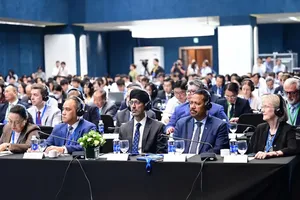
Dr. Tran Hai Linh, Chairman of the Vietnam–Korea Business and Investment Association, Founding Chairman of the Vietnam–Korea Intellectuals and Experts Association: “Building a global Vietnamese intellect strategy.”
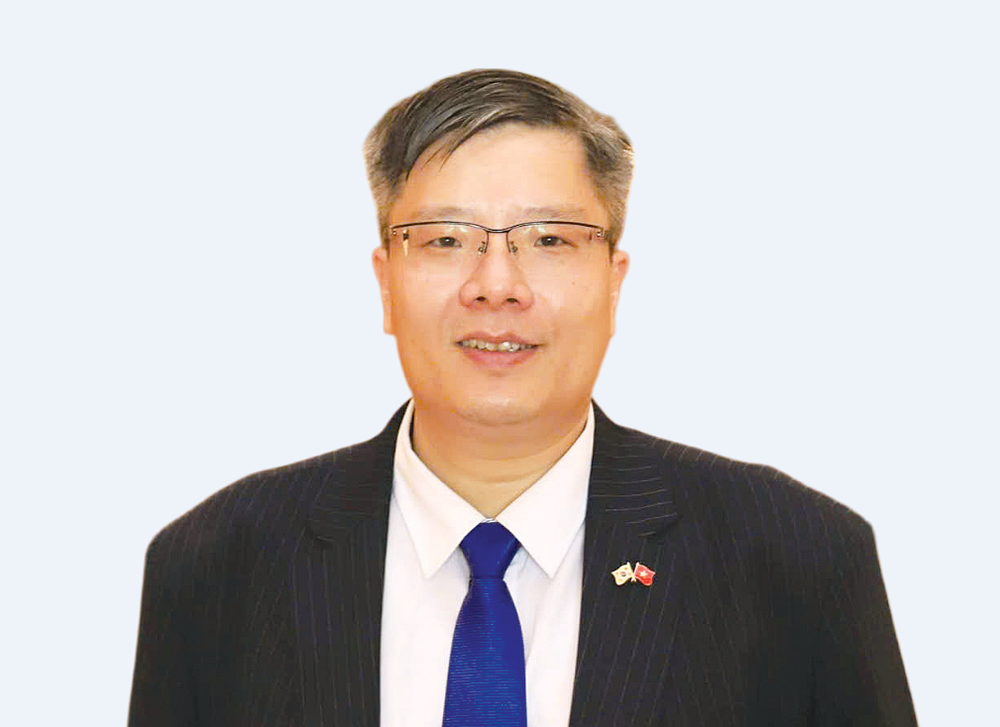
Realizing Vietnam’s 2045 aspiration requires sustained breakthroughs in institutions, science and technology, innovation, and high-quality human resources. Human capital is the decisive force, underscoring the need for a “Global Vietnamese Intellect” strategy in which overseas Vietnamese play a central role.
Overseas Vietnamese can act as effective bridges for technology transfer, strategic investment attraction, market expansion, and for enabling young intellectuals to engage more deeply in the country’s innovation ecosystem.
For his part, Dr. Tran Hai Linh will continue to promote Vietnam–Korea cooperation programs in technology, education and innovation, while supporting Vietnamese enterprises in strengthening their integration capacity and bringing products and services into regional supply chains.
He expressed confidence that joint efforts by the State, businesses, academia and overseas Vietnamese would turn the 2045 aspiration into reality and help build a strong and prosperous Vietnam.