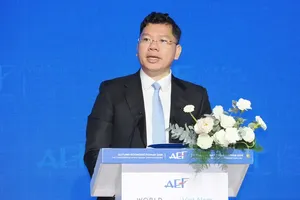
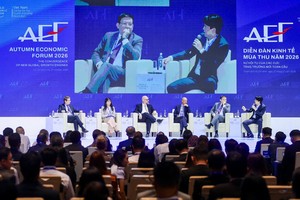
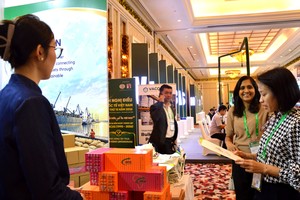
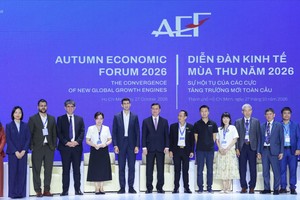
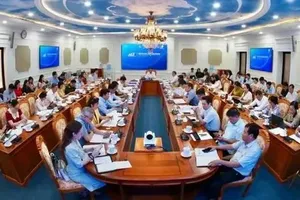
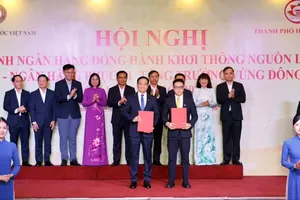
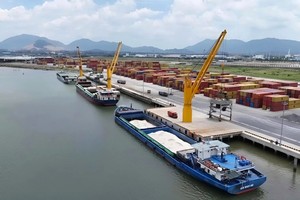
Speaking at a conference on strengthening international economic integration for the food, agricultural and processed food industries in Ho Chi Minh City on July 16, experts said that Vietnam must move up the value chain to capture more value from its growing agricultural exports.
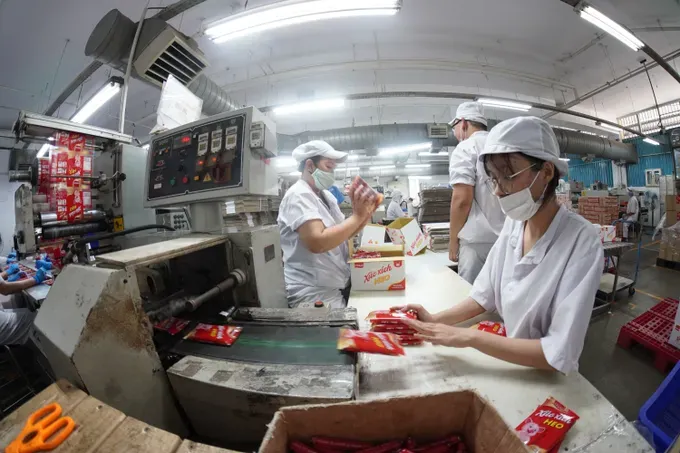
Ho Thi Quyen, Deputy Director of the Ho Chi Minh City Investment and Trade Promotion Center (ITPC), said that food and agricultural processing industries have significant opportunities to expand exports and strengthen the country's global brand.
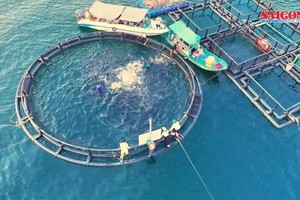
In the first six months of 2026, Vietnam's agricultural, forestry and fishery exports were estimated at US$35.88 billion, up 6 percent from a year earlier. Ho Chi Minh City remains the country's largest food-processing hub, accounting for around 30–35 percent of production in the Southern Key Economic Region and 14–15 percent of the city's industrial output.
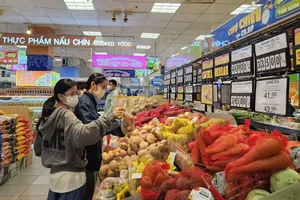
She said that new-generation FTAs provide a competitive advantage as many member countries have committed to eliminating tariffs on 97–100 percent of Vietnamese-origin goods. However, tariff preferences can only be fully utilized if products meet increasingly stringent requirements on quality, food safety, traceability and sustainability.
Despite rising export revenues, the share of value retained by Vietnamese businesses remains modest.
Nguyen Ly Truong An, Deputy Director of Bien Xanh Trading Transport Company Limited, said that agricultural, forestry and fishery exports exceeded US$70 billion in 2025, accounting for nearly 15 percent of Vietnam's total exports and generating a trade surplus of about US$21 billion.
He noted that limited deep processing remains a major bottleneck. Processed products account for only about 23 percent of agricultural export value, while around 91 percent of coffee is still exported as raw material. Many livestock products undergo only basic processing, and post-harvest losses for fruit and vegetables remain at 20–30 percent because of inadequate preservation technology.
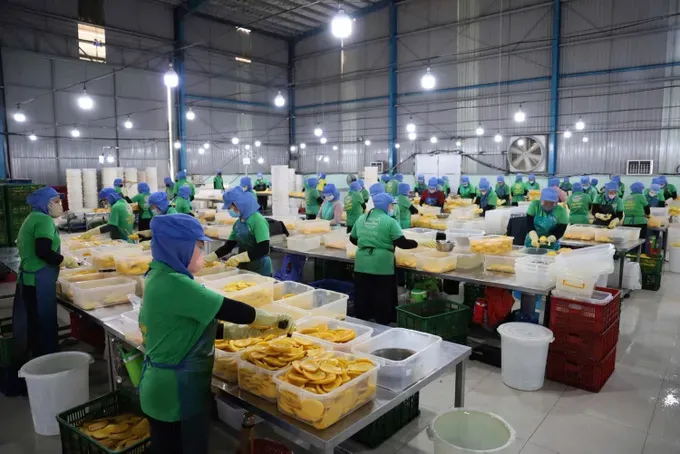
Ngo Xuan Chinh, Director of the Center for Research and Transfer of Agricultural Technical Advances under the Southern Institute of Agricultural Sciences, said that sustainable value addition requires standardized raw material zones and green, circular farming models.
Rather than focusing solely on increasing output, agricultural production should be organized around integrated value chains that use resources efficiently, reduce emissions, utilize by-products and ensure raw material quality from the outset, he said.
Experts also stressed the need for closer cooperation among farmers, cooperatives, processors and distributors, along with greater adoption of advanced technologies and technical training for farmers.
Speakers said that businesses must develop products based on market demand rather than existing production capacity if they hope to increase export value.
Nguyen Le Gia Khanh, Senior Account Manager at Amazon Global Selling Vietnam, said that Vietnam's strengths in coffee, cashew nuts, pepper, cinnamon and tropical fruits can generate greater value when transformed into processed products such as specialty coffee, healthy snacks, dried fruit, spices, beverages and convenience foods that meet consumer demand for healthy, sustainable and traceable products.
Hoang Van Viet, a lecturer at the University of Economics Ho Chi Minh City, said agricultural value is created throughout the supply chain from seeds and cultivation to harvesting, storage, logistics, processing and branding. Investing in standardized raw material areas and post-harvest preservation technologies would reduce losses and provide a stronger foundation for deep processing.
Tran Thi Phuong Hoa, Vice Chairwoman of the Ho Chi Minh City Food and Foodstuff Association, said businesses should shift from investing in isolated technologies to managing the entire value chain while strengthening cooperation across production, logistics, testing, financing and distribution.
For small and medium-sized enterprises, collaborative models can also reduce the costs of cold storage, laboratories, international certification and traceability systems. In this way, standards such as organic certification, fair trade and sustainability become not only market-entry requirements but also tools for improving product quality, enhancing brand reputation and increasing the value of Vietnamese agricultural products.
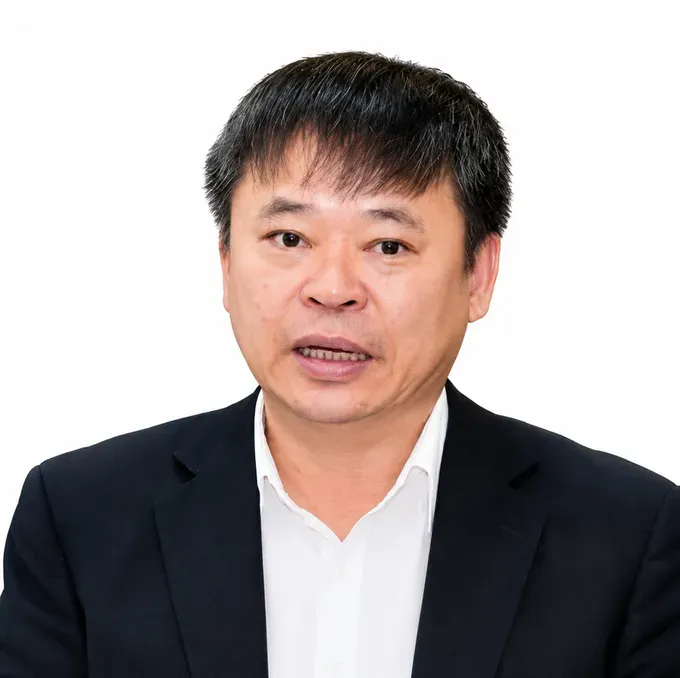
Tran Ngoc Liem, Deputy Secretary General of the Vietnam Chamber of Commerce and Industry (VCCI) and Director of VCCI-HCM, said stronger institutions are needed to enable businesses to lead agricultural value chains.
To make agriculture a new engine of economic growth, Vietnam must shift from a production-focused mindset to a multi-value agricultural economy, with businesses playing a central role in organizing production, leading value chains and connecting producers with markets.
Achieving the goal of developing strong agricultural enterprises by 2030 that can participate more deeply in global value chains will require a stable, transparent and consistent investment environment. This includes coordinated policies on raw material planning, land use, credit and science and technology. Businesses can only make long-term investments in raw material zones, deep processing, logistics and brand development if the policy framework remains predictable and consistent.
He also called for expanding preferential credit, promoting public-private partnerships, supporting research and technological innovation, and strengthening market protection against smuggled and untraceable goods. Stronger businesses, he said, would help farmers secure stable market outlets, adopt market-driven production standards and retain more added value within Vietnam.
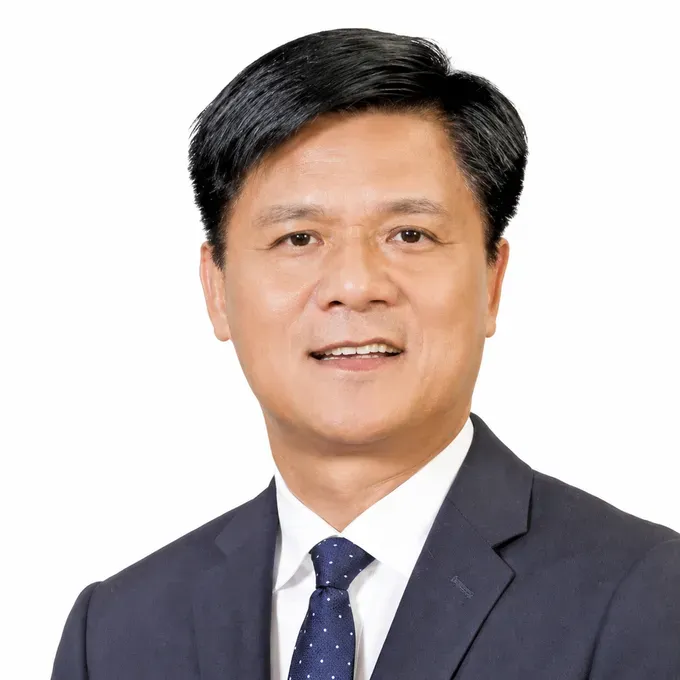
Nguyen Manh Hung, CEO of Nafoods Group, said deep processing and standardization are key to retaining more value from Vietnam's agricultural products.
To create new growth momentum, businesses need to move beyond exporting raw materials and focus on developing high-value processed products tailored to the requirements of individual markets.
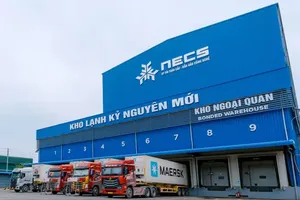
Alongside investing in processing facilities, companies should build standardized raw material areas and strengthen quality management, traceability systems, cold-chain logistics, and brand development. These are critical to meeting increasingly stringent technical requirements and improving the global competitiveness of Vietnamese agricultural products.
He also called for a policy shift from production support toward standardization, market development and trade promotion. By enabling businesses to invest in technology, quality standards, and market expansion, Vietnam can retain more added value domestically while raising farmers' incomes and strengthening the country's position in global agricultural value chains.