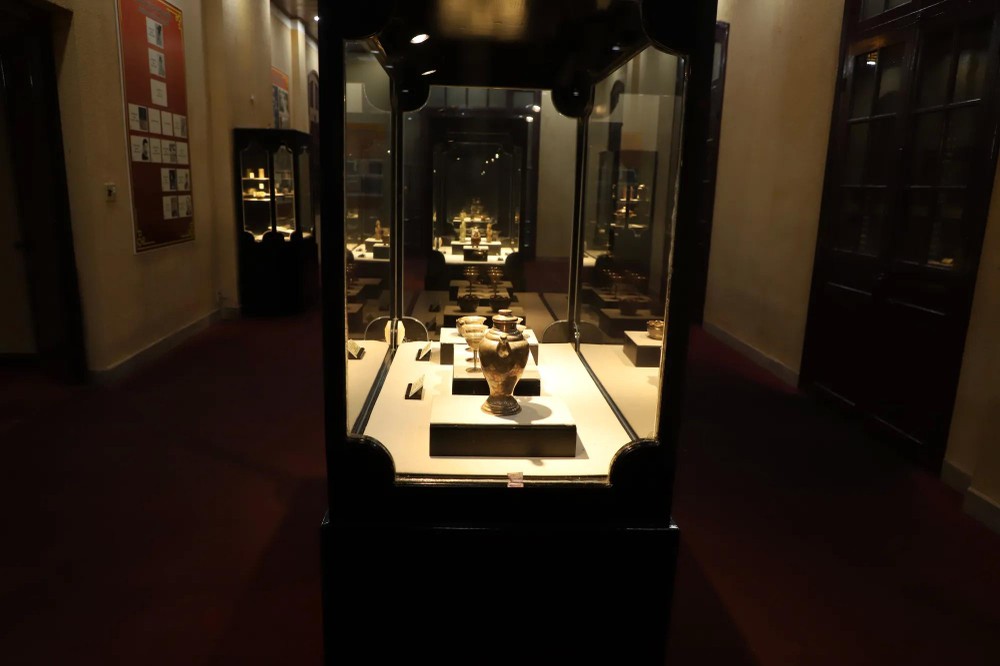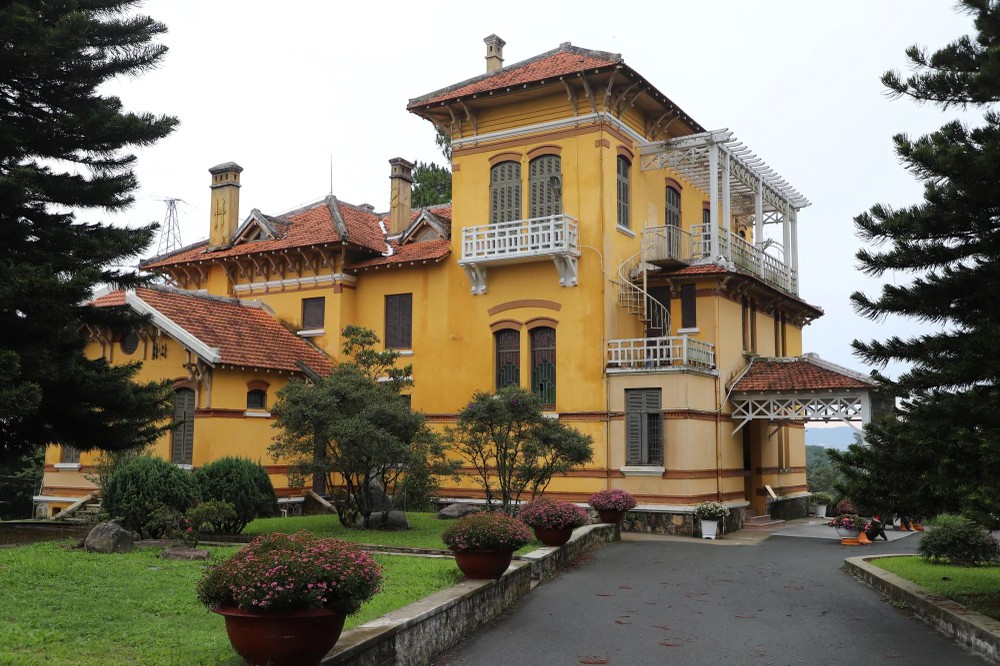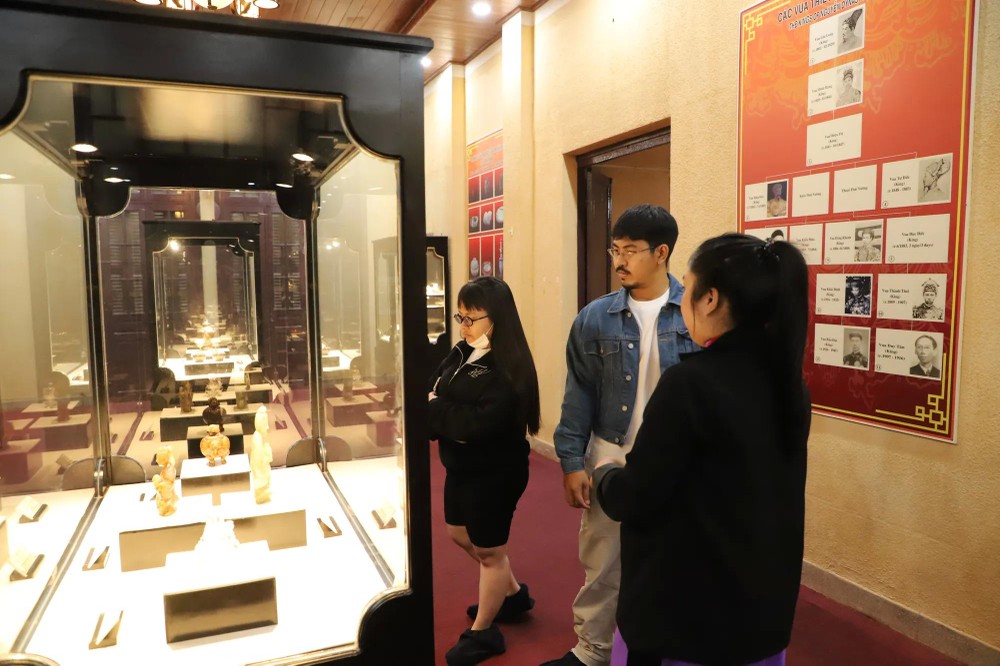
Nestled among pine-covered hills and historic royal residences, the upper floor of the Empress Nam Phuong’s Palace in Xuan Huong – Da Lat Ward, Lam Dong Province, preserves a remarkable fragment of Nguyen Dynasty history. The Nguyen Dynasty royal artifact collection housed at the Lam Dong Provincial Museum embodies a quiet elegance, refined craftsmanship, and enduring historical resonance.
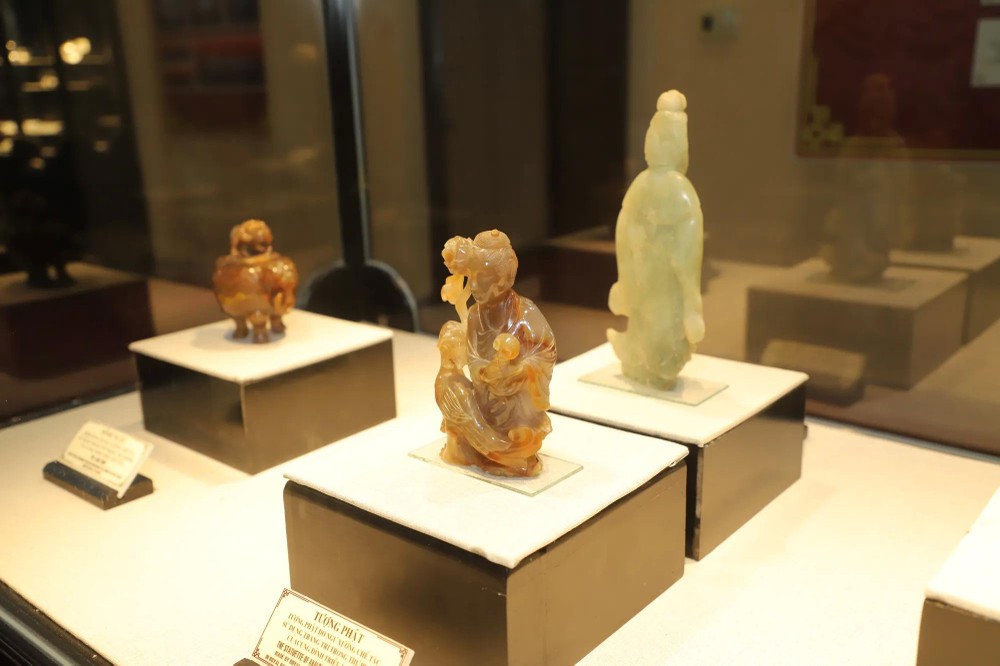
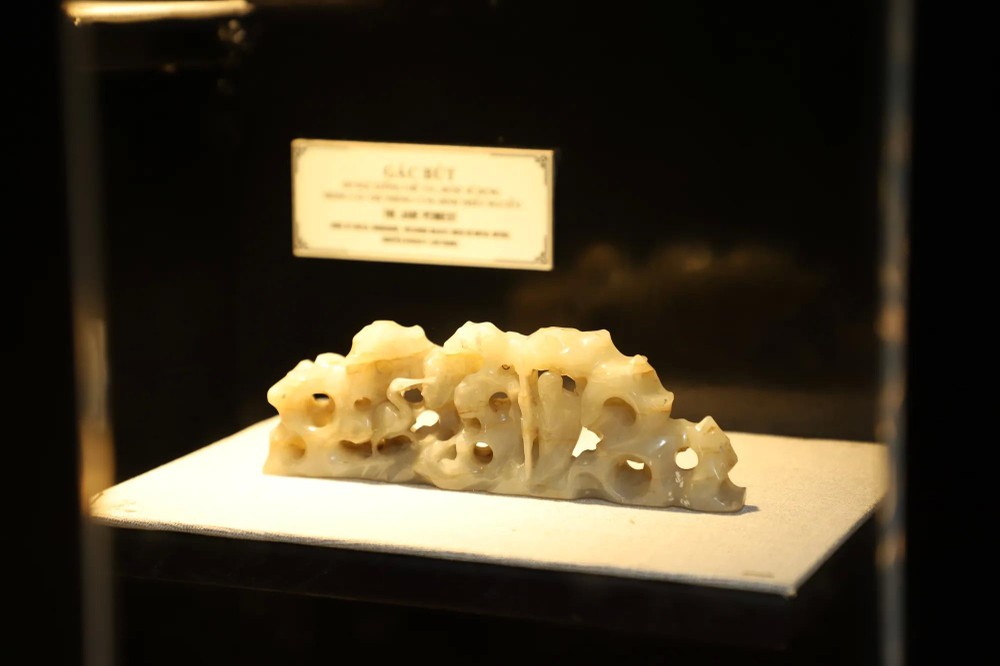
The first impression comes from the jade artifacts, as jade was traditionally regarded as a symbol of nobility, virtue, and moral integrity. Under the soft golden glow of the exhibition lights, a statue of Bodhisattva Avalokiteshvara carved from green jade radiates a sense of compassion and serenity.
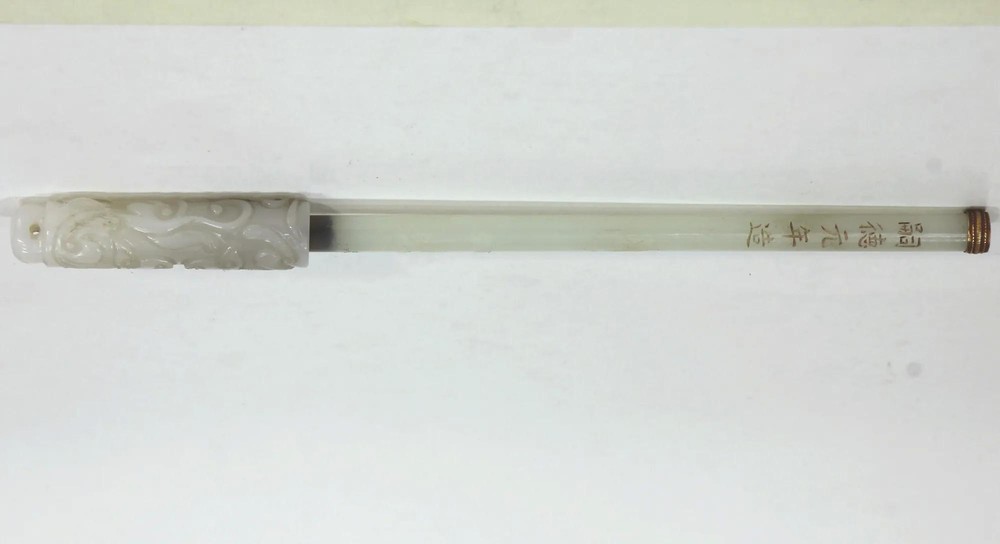
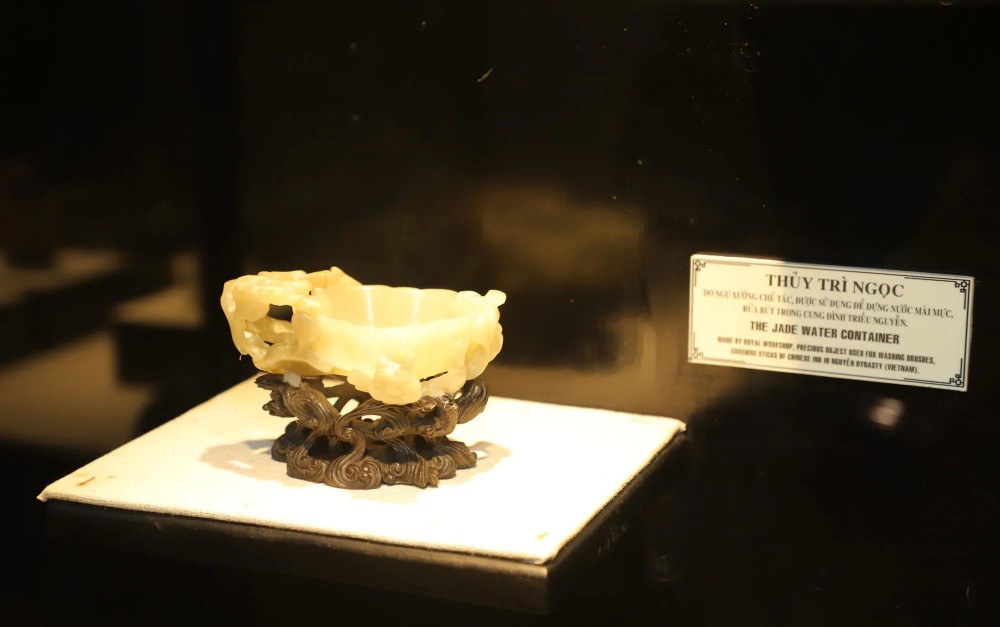
Even scholarly objects found in a traditional study, such as brush rests, water droppers, and inkstones, were crafted with careful attention to detail. For people of the past, beauty was inseparable from learning, refinement, and character.
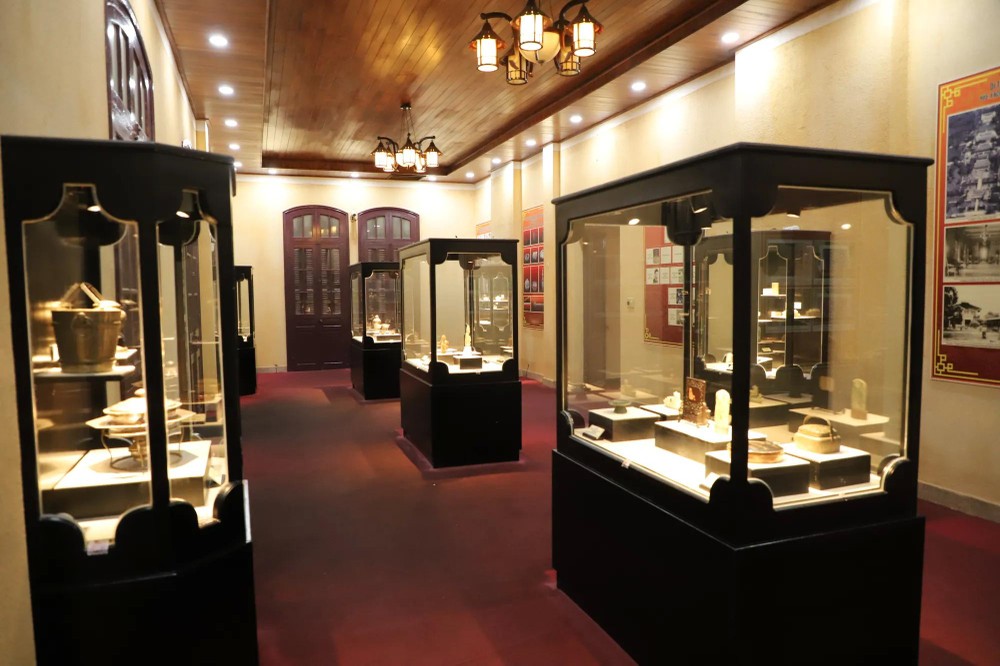
In 2017, the Lam Dong Provincial Museum received 124 Nguyen Dynasty royal artifacts from the provincial Department of Finance. The museum subsequently worked with historians and archaeologists from the Vietnam National Museum of History to authenticate, catalog, and assess the collection, determining the age, materials, and historical as well as cultural significance of each artifact.
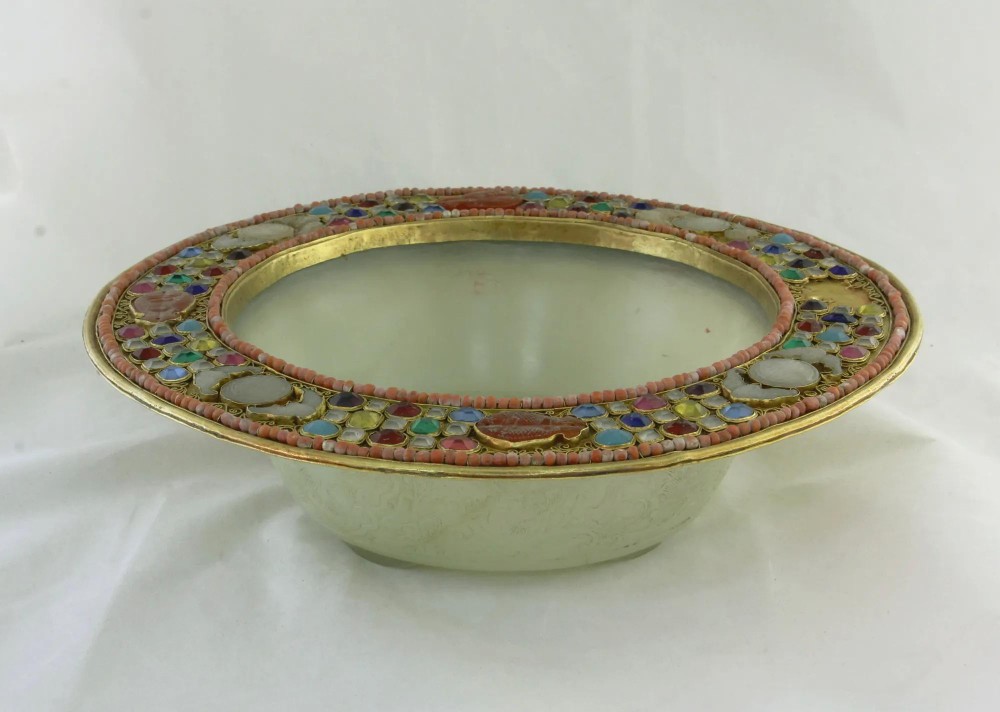
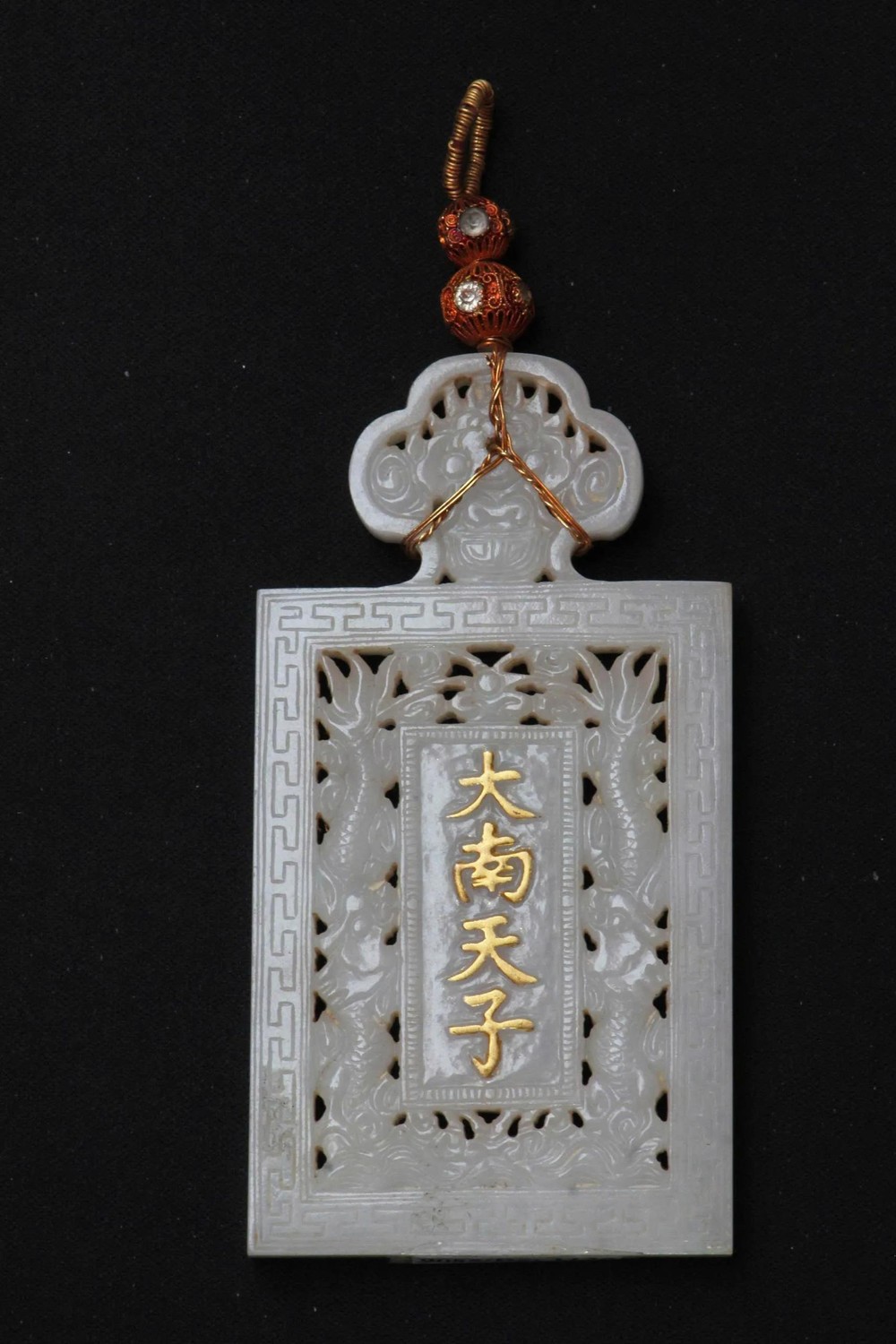
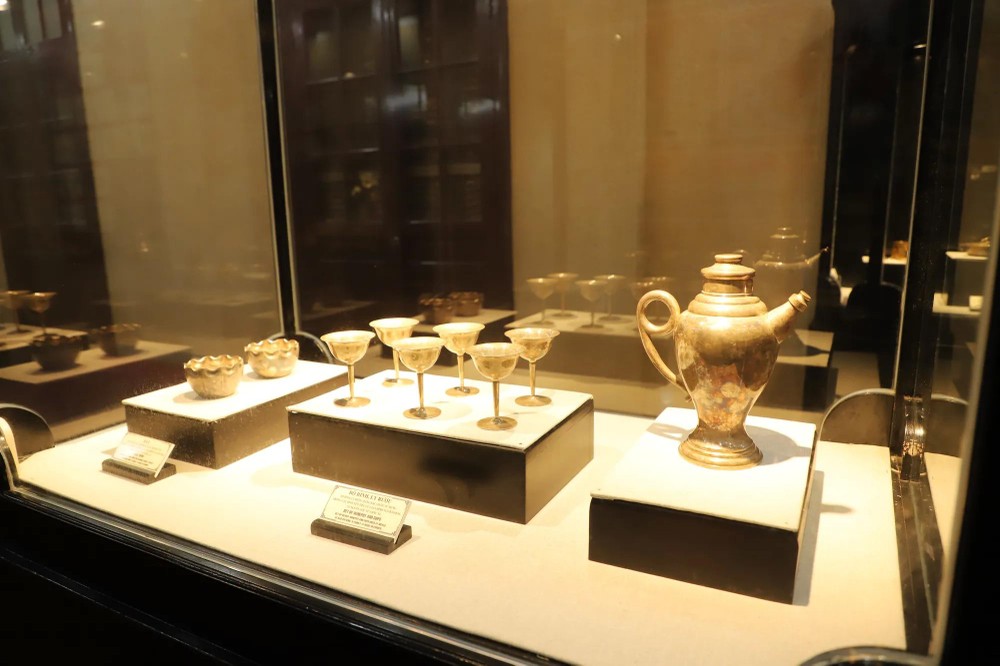
The collection showcases a rich diversity of forms and designs, comprising various categories of objects, including statues, identification plaques, decorative screens, censers, water droppers, inkstones, brush rests, bowls, plates, cups, and tea cups, many of which were crafted from jade and other precious stones.
Most of the artifacts were produced by the Imperial Workshop of the Nguyen Dynasty and date back to the 19th and early 20th centuries.
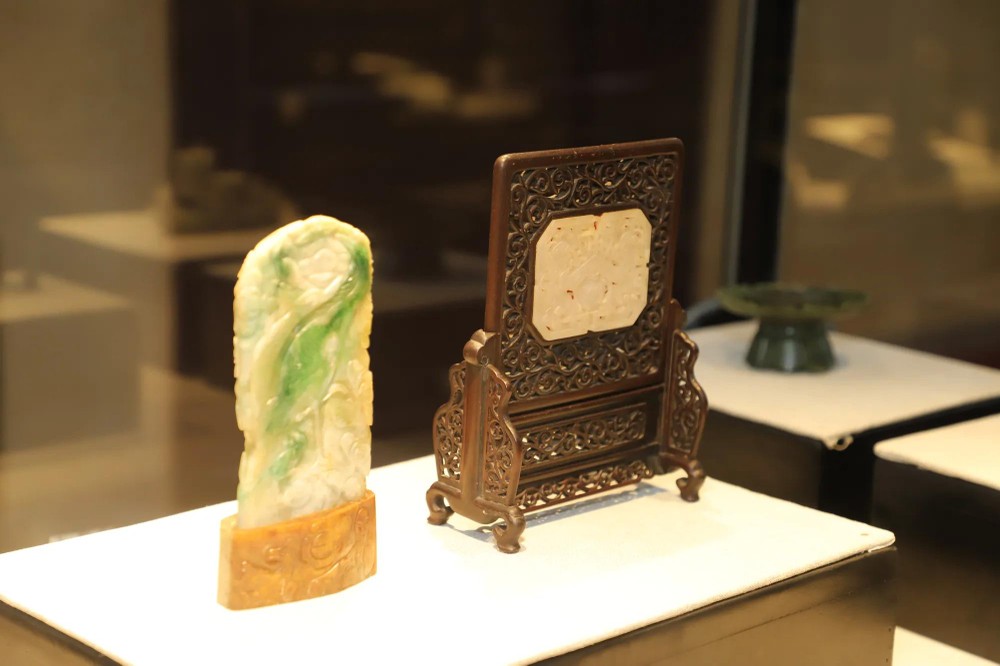
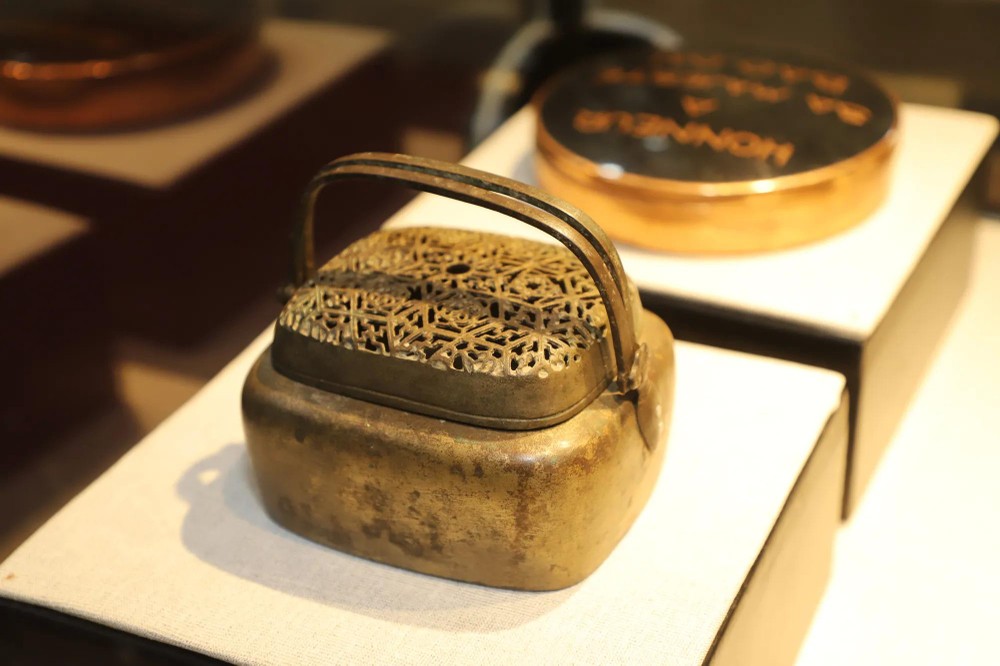
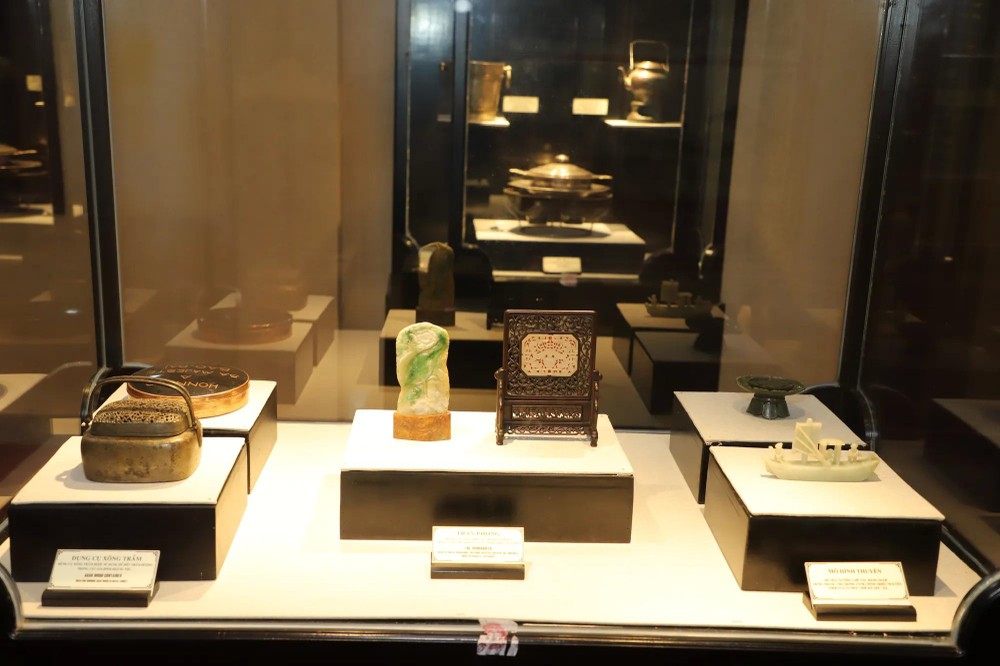
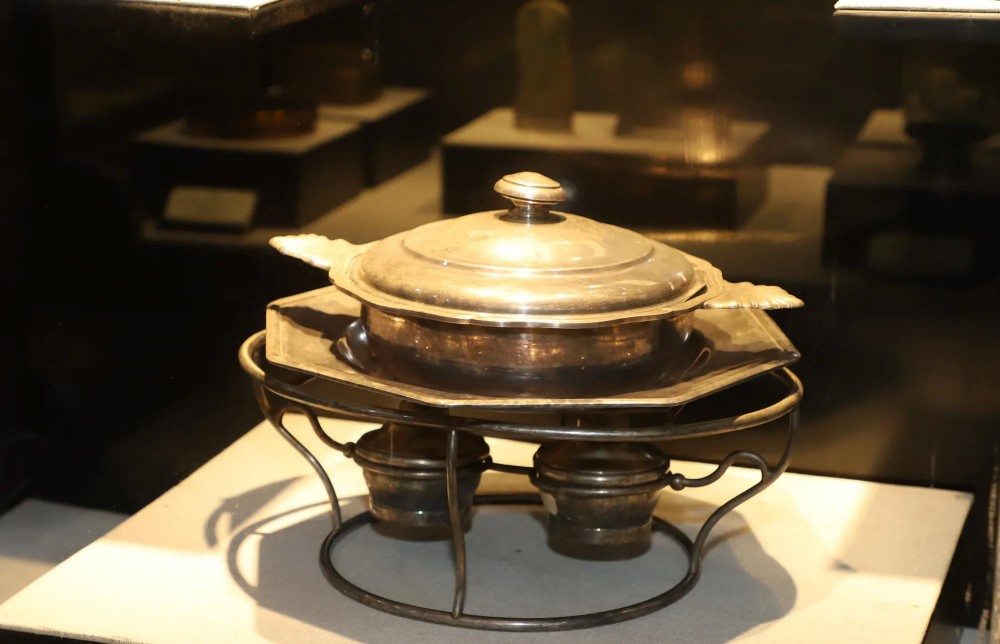
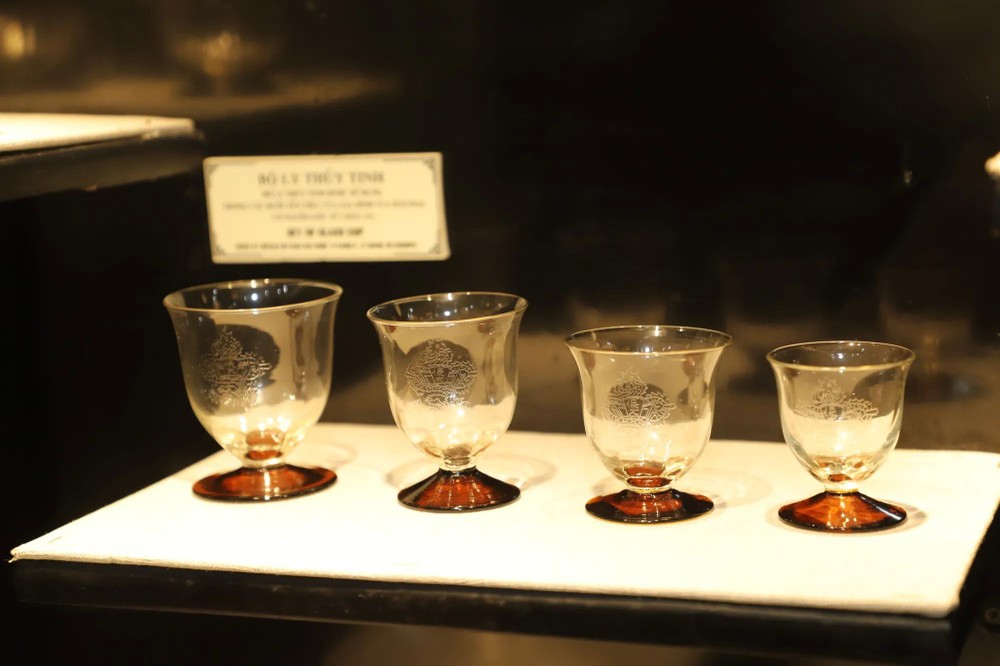
While the jade artifacts reflect the elegance and aesthetic values of the East, the collection of European-style household items used by Emperor Bao Dai offers a glimpse into a unique period of cultural exchange during the final years of the Nguyen Dynasty. Glassware engraved with the royal coat of arms, a silver decanter set, and spirit-fueled food warmers all illustrate how Western influences gradually became integrated into court life in the early 20th century. It was also a period when the Nguyen royal family began embracing a more modern lifestyle amid profound social and political changes.
The collection's preservation in Da Lat, rather than Hue—the former imperial capital—adds to its intrigue. After 1949, when the Central Highlands formed part of the Domaine de la Couronne (Crown Domain) of the Nguyen Dynasty, Da Lat became closely associated with Emperor Bao Dai and members of the royal family. As a result, the city has retained numerous traces of Vietnam’s imperial past, making it a fitting home for this remarkable collection.