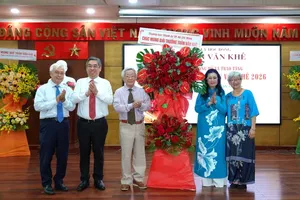
On the morning of May 29, at the Ho Chi Minh City Museum, the Ho Chi Minh City Department of Culture and Sports held a conference on the “Current situation and solutions for building and developing the museum system in Ho Chi Minh City.”
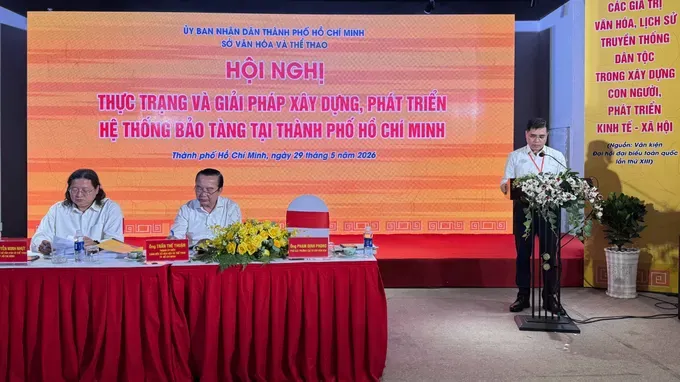
Attending the conference were Deputy Director Pham Dinh Phong of the Department of Cultural Heritage under the Ministry of Culture, Sports and Tourism and Director Tran The Thuan of the Ho Chi Minh City Department of Culture and Sports along with numerous experts, researchers and representatives of museums.
According to Nguyen Thi Hau, Secretary General of the Ho Chi Minh City Historical Science Association, although the city’s museum system is relatively diverse, there remains overlap in content and exhibition formats, as well as a lack of connectivity among cultural institutions.
Many museums still operate under a closed model, focusing more on displaying artifacts than on storytelling and heritage interpretation, resulting in fragmented public experiences.
Lecturer Nguyen Thi Tu Anh of the University of Social Sciences and Humanities in Ho Chi Minh City said museums today not only fulfill preservation functions but also contribute to shaping cultural identity, promoting community education and developing the creative economy. According to her, the development of the museum system should be placed within the context of digital transformation, innovation in operational mechanisms and greater community participation to adapt to new demands.
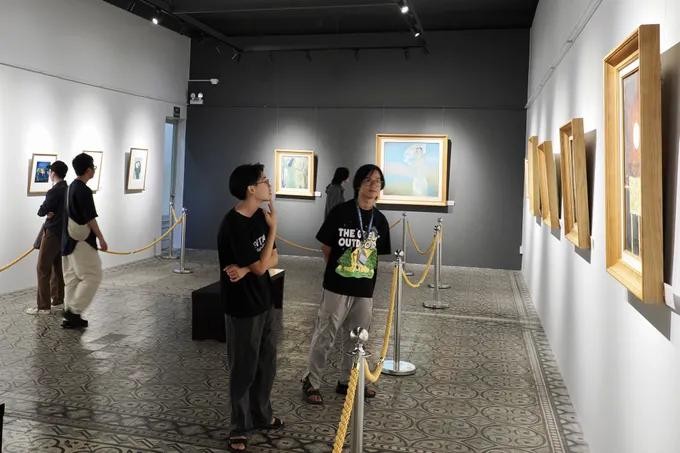
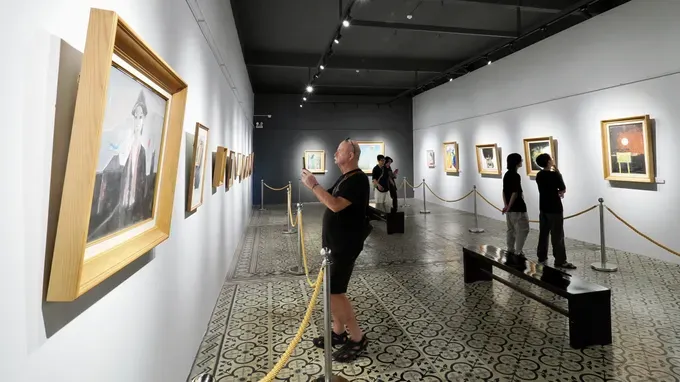
One of the solutions receiving broad support at the conference was the development of a museum ecosystem based on regional connectivity. Dr. Nguyen Thi Hau proposed shifting from the mindset of “a museum as an isolated institution” to a “museum network” model linking public museums, private museums, community heritage spaces and digital platforms.
Under this approach, museums would not only exist within exhibition buildings but also expand into residential areas, craft villages, traditional markets and distinctive cultural spaces, contributing to the formation of a “living museum city.”
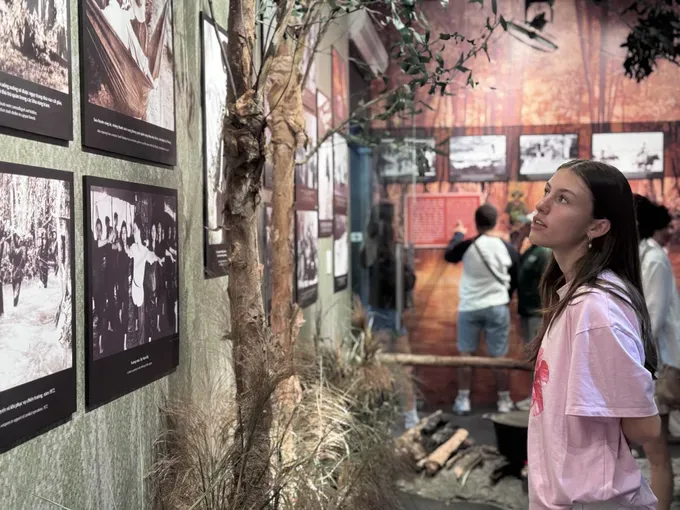
Speaking at the conference, Deputy Director of the Department of Cultural Heritage Pham Dinh Phong highly appreciated the positive changes in Ho Chi Minh City’s museum system in recent years, particularly the application of digital technology, deployment of virtual 3D/360 exhibition models, strengthened communication on digital platforms, use of artificial intelligence (AI) and expanded cooperation with the International Council of Museums (ICOM).
In 2025, Ho Chi Minh City’s museum system welcomed more than 4.4 million visitors, up 17.1 percent from the previous year. The city currently has 25 museums, including 14 public museums; nine of them are under the Ho Chi Minh City Department of Culture and Sports and five under ministries and central agencies, along with 11 non-public museums.
At present, seven of the nine museums under the Ho Chi Minh City Department of Culture and Sports have been ranked Grade I and are members of the International Council of Museums (ICOM), including the Ho Chi Minh City Museum of History, Ho Chi Minh City Museum, Southern Women’s Museum, Ho Chi Minh Museum – Ho Chi Minh City Branch, Ton Duc Thang Museum, War Remnants Museum and Ho Chi Minh City Museum of Fine Arts.