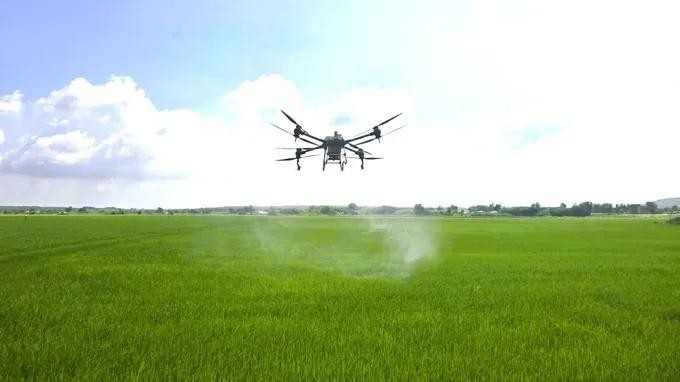
Drones, smart irrigation systems, tillage machines, salt production on tarpaulins, and other technologies are gradually transforming rural landscapes and the way farmers cultivate crops in communes such as Long Dien, Chau Duc, and Kim Long.
Drones replace farmers in the fields
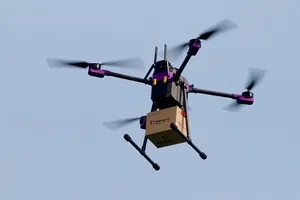
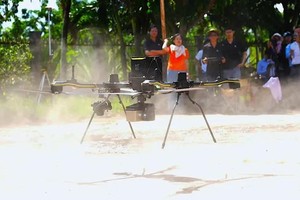
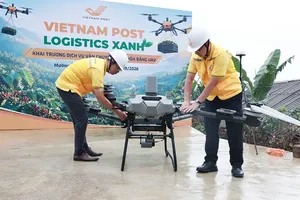
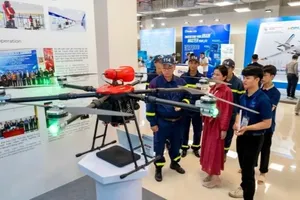
During the summer in rice fields in Long Dien Commune, the familiar sight of farmers carrying pesticide sprayers through paddies under the scorching sun has been replaced by unmanned aerial vehicles (drones) flying over the fields and spraying crop protection chemicals with high precision. Within minutes, dozens of hectares of rice can be treated evenly.
According to Huynh Trung Thanh, director of the An Nhut Agricultural-Service Cooperative in Long Dien Commune, the cooperative cultivates more than 200 hectares of rice. With such a large farming area, drones have proven highly effective. Farmers simply program the flight path, and the entire spraying or fertilizer-spreading process is carried out automatically, minimizing human error.
The clear economic benefits have encouraged farmers to invest in the technology. In Long Dien Commune, using drones saves approximately US$29.50 per hectare on crop protection chemicals and about US$13.80 per hectare in labor costs. In addition, rice yields increase by 3 percent to 5 percent, equivalent to around 300 kilograms per hectare.
"For large-scale producers, these savings are significant. More importantly, simultaneous spraying over large areas helps prevent pests and diseases from spreading between fields, improving the effectiveness of pest control," Thanh said.
In Chau Duc Commune, Nguyen Canh Thai Duong's family cultivates 1.5 hectares of avocado trees. Rather than relying primarily on manual labor as in the past, Duong has invested heavily in mechanization and technology throughout the production process, significantly reducing cultivation costs and labor requirements while improving fruit quality.
Smart sensors installed throughout the orchard monitor nutrient levels, temperature, and humidity, enabling growers to adjust cultivation practices to suit each stage of the trees' development. An Israeli drip irrigation system, tillage machines, brush cutters, and other mechanized equipment further improve production efficiency.
By combining VietGAP cultivation standards with modern technology, Duong's avocado orchard maintains stable growth and produces annual yields of about 15 to 20 metric tons per hectare. The fruit is uniform in quality and meets market requirements.
Vietnam’s agricultural drone market has expanded rapidly in recent years. Statistics show that the number of agricultural drones in Vietnam has surpassed 6,000 units.
HCMC works toward greener, more sustainable agriculture
Vu Ngoc Dang, head of the Ho Chi Minh City Rural Development Sub-Department, said mechanization has been identified as one of the key pillars in the city's strategy for developing modern urban agriculture. It helps increase productivity, reduce production costs, and raise the value of agricultural products.
The city's mechanization policy also aims to reduce post-harvest losses and lay the foundation for deeper processing of agricultural products. This is expected to support the development of One Commune One Product (OCOP) products and generate greater added value for farm goods.
Investment will prioritize post-harvest mechanization through modern drying, sorting, packaging, cold storage, and preservation systems, helping reduce losses and maintain product quality before produce is marketed or further processed. These improvements are expected to enhance quality, strengthen product traceability, develop competitive OCOP products, gradually establish sustainable agricultural value chains, create higher added value, and increase incomes for rural residents in Ho Chi Minh City.
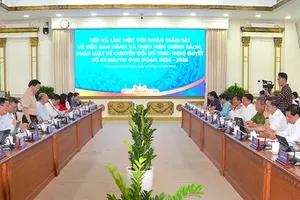
To achieve these goals, communes with strong agricultural sectors are reviewing specialized production areas and selecting suitable crops to develop comprehensive mechanization models covering every stage of production, from land preparation, planting, cultivation, and irrigation to harvesting, preliminary processing, and post-harvest storage.
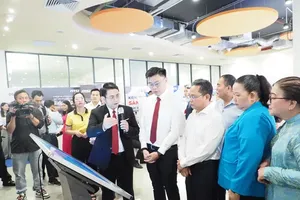
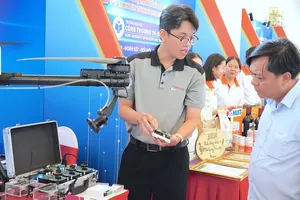
Some local authorities are also organizing workshops and training programs to help farmers adopt science and technology in agricultural production while learning from agricultural extension programs, cooperative development, and OCOP initiatives both within and outside the city, adapting those experiences to the specific conditions of each commune.