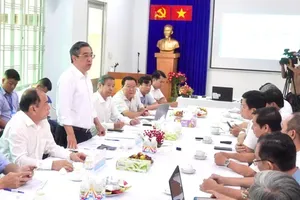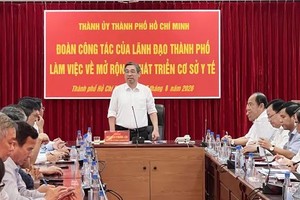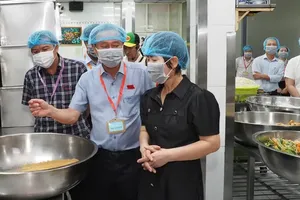
On August 24, Associate Professor Tang Chi Thuong, Director of the Ho Chi Minh City Department of Health, announced that the health sector would no longer allow commune or ward health stations to operate in isolation; instead, each station will be integrated into a unified professional network directly linked to city hospitals.
Under this strategic blueprint, the Department of Health will pair designated hospitals with local health stations in a formalized partnership, establishing shared accountability for personnel, expertise, and community public health outcomes. This collaborative framework is anchored by three primary mechanisms, beginning with the preservation of continuous professional connectivity.
To maintain continuous professional connectivity, practitioners in grassroots medical facilities will gain direct access to ongoing specialist consultations,, specialist guidance, and remote clinical support, enabling them to navigate complex cases through established transfer protocols rather than resorting to immediate, indiscriminate referrals to big healthcare hospitals.
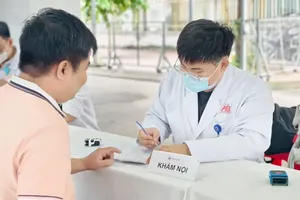
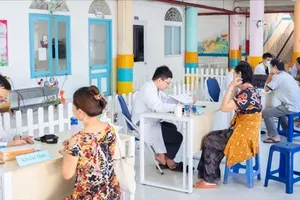
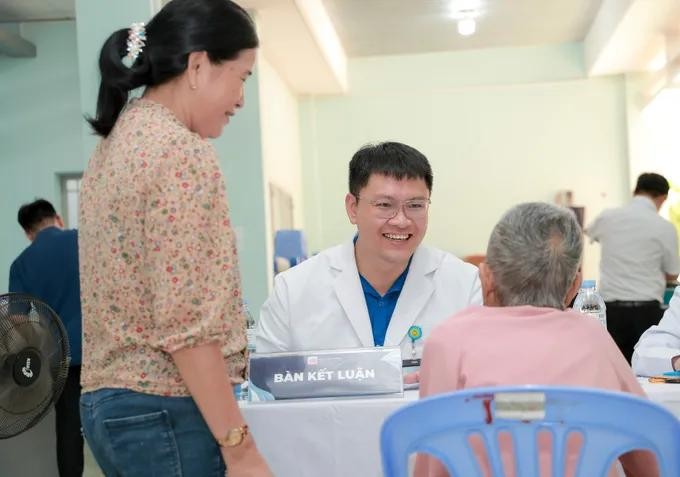
Under a strategic initiative aimed at bridging the gap in community-level medical services, hospital physicians are slated to rotate into primary healthcare facilities on a scheduled basis, with priority given to key specialties including internal medicine, pediatrics, obstetrics and gynecology, cardiology, endocrinology, and geriatrics. These clinicians will shoulder critical responsibilities in managing non-communicable diseases, providing elderly care, conducting routine check-ups and preventive counseling, and delivering on-site mentorship to grassroots healthcare personnel.
To complement this professional reinforcement, health authorities are pairing clinical support with the fortification of station leadership teams. Facilities currently lacking a director or experiencing limited administrative capacity may receive hospital-appointed leaders ranging from incumbent hospital managers to physicians earmarked for future executive roles who will serve term appointments of three to five years as station directors.
Throughout this transition, the sending hospital will function as a robust professional backstop, extending continuous assistance in staffing, training, consultations, and technology transfer, while seamlessly absorbing patients whose conditions surpass grassroots medical capabilities.
Clarifying the core philosophy behind the framework, Associate Professor Tang Chi Thuong emphasized that the ultimate goal is not to transform local health stations into miniature hospitals, but rather to bring the comprehensive capabilities of the healthcare system directly to the doorstep of the populace.
According to Associate Professor Tang Chi Thuong, this model aims to build a system characterized by "partnering hospitals, robust health stations, and continuous patient care," linking primary healthcare, basic treatment, and specialized care into a unified network rather than allowing them to operate as isolated "islands."