Nearly 2.4 million residents receive health checkups

Reporting at the meeting, Associate Professor and Doctor Nguyen Anh Dung, Deputy Director of the Ho Chi Minh City Department of Health, said the implementation of the city’s periodic health checkup program is gaining momentum. Still, significant disparities remain among wards, communes and special zones.
As of noon on August 14, health checkups had been provided to 2,396,600 residents, with their health data recorded, 8.9 times higher than the same period last year. Phuoc Thang Ward and An Nhon Tay Commune led the city, with more than 70 percent of residents having received checkups. Meanwhile, Ben Thanh Ward and Ban Co Ward had the lowest coverage rates.
Across the city, 77 of its 168 wards, communes and special zones, or 45.8 percent, had a checkup coverage rate of below 15 percent of their populations, including 28 localities with rates below 10 percent.
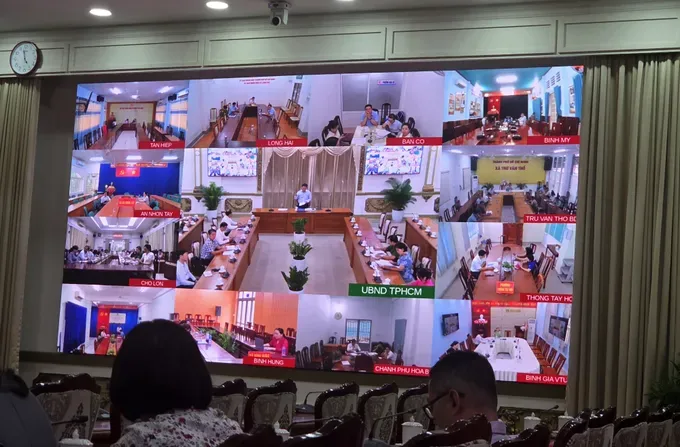
Monitoring of localities with low coverage showed that coordination in some areas remains insufficient, while the management capacity of some newly consolidated health stations is limited. Some localities have also failed to maintain regular meetings and reporting mechanisms to address difficulties promptly.
In particular, public outreach efforts in some localities have yet to properly identify target groups, while the full participation of mass organizations and associations in propaganda and mobilization efforts has not been secured.
In response to the situation, the Ho Chi Minh City Department of Health has proposed that the municipal People’s Committee allow all children, pupils and students enrolled at educational institutions in the city, including those who do not yet meet the requirements for permanent or temporary residence registration, to receive free periodic health checkups.
The department also proposed allowing Vietnamese citizens who are actually residing in Ho Chi Minh City but have permanent residence registered in another province or city, have yet to meet the requirements for temporary residence registration, but whose current place of residence has been verified on VNeID and who are not part of the formal workforce, to receive free periodic health checkups organized by local authorities, on the same basis as those with permanent or temporary residence registration.
Intensified efforts needed in August
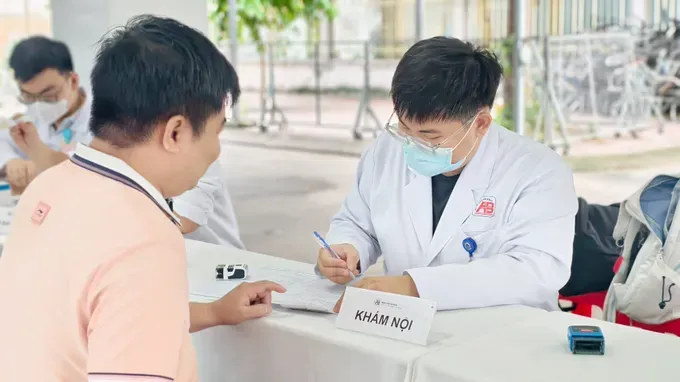
Speaking at the working session, Vice Chairman of the Ho Chi Minh City People’s Committee Nguyen Manh Cuong called on local authorities to step up efforts and take more decisive action to implement the citywide health checkup program in the coming period.
The Department of Finance was asked to coordinate with the Department of Health to review and advise on funding allocations to basically resolve funding issues in August so that wards and communes have the resources needed to carry out the program.
The Ho Chi Minh City Police were requested to work closely with local authorities to review and complete residents’ data, identify all eligible people who need health checkups, and provide the information to localities. Based on accurate data, wards, communes and special zones must develop appropriate checkup plans to minimize missed cases and duplicate checkups.
Local authorities should coordinate with the education sector, businesses and healthcare facilities to accurately track the number of people who have received checkups, where they were examined and their results, thereby gradually building comprehensive health data for residents in their respective areas, the Vice Chairman of the Ho Chi Minh City People’s Committee stressed.
According to Vice Chairman of the Ho Chi Minh City People’s Committee Nguyen Manh Cuong, health checkups must go hand in hand with quality, and efforts must not focus solely on the number of people examined. The Department of Health should strengthen inspections and supervision of healthcare facilities participating in the program, ensuring that residents receive comprehensive checkups in accordance with prescribed procedures and that examination results are fully updated in health records to support long-term health management and care.
He also asked localities with low checkup rates to urgently develop solutions and mobilize resources to accelerate implementation. Localities that have yet to sign contracts with healthcare facilities should immediately review the causes and obstacles and take steps to address them.
Efforts to provide periodic health checkups for residents must remain a top priority in August, particularly for pupils, students and workers. This is an important task directly related to people’s health. Therefore, implementation must stay on schedule, reach the right target groups and ensure quality. Departments, agencies and local authorities must work closely together and ensure that each step is carried out thoroughly so that the checkup results are genuinely valuable and effectively support people’s healthcare, he stressed.












)





)




