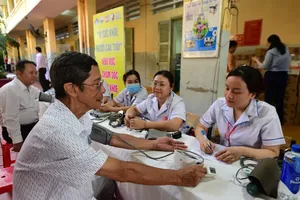
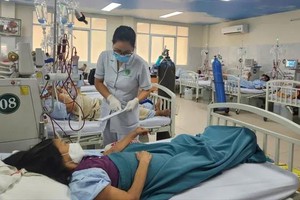
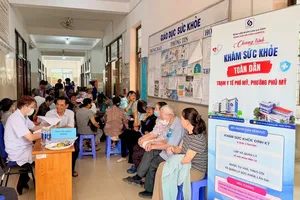
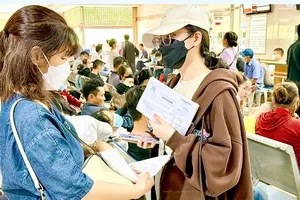
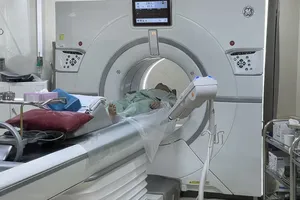
On the morning of August 11, Mr. Nguyen Phuoc Loc, Party Central Committee member, Deputy Secretary of the Ho Chi Minh City Party Committee and Chairman of the Vietnam Fatherland Front Committee in Ho Chi Minh City, inspected several healthcare facilities across the city.
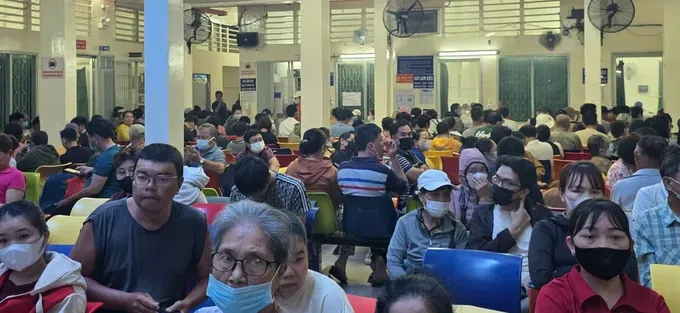
During visits to facilities providing treatment and care for people with mental health conditions, including the Child Psychology and Psychiatry Department of the Mental Health Hospital in Cau Kieu Ward, the Mental Health Hospital in Cho Quan Ward and Facility No. 3 of the Ho Chi Minh City Center for Disease Control in Minh Phung Ward, he expressed concern about cramped and poorly ventilated conditions at some mental healthcare facilities.
Inadequate treatment spaces and difficult working conditions are burdening healthcare workers and negatively affecting patients’ recovery.
He said people with mental health conditions are a vulnerable group facing numerous risks in daily life, with many requiring regular support and care from their families. Treating them in cramped facilities with limited space and inadequate care conditions puts additional pressure on patients, their families and healthcare workers. Safety must remain the top priority, but it must go hand in hand with humane care, he stressed.
Patients should not be placed in environments that feel like confinement simply because they may become agitated or lose control of their behavior, he stressed.
Mental healthcare requires more than the efforts of the health sector; families, communities and society must all play their part. Patients should be treated not simply as people with illnesses, but as human beings who deserve care, protection and dignity.
According to Deputy Secretary of the Ho Chi Minh City Party Committee Nguyen Phuoc Loc, the city plans to build a new Mental Health Hospital on a five-hectare site with 1,000 beds, as well as a 1,000-bed Mental Health Nursing and Rehabilitation Center on about 3.3 hectares. The projects are expected to break ground in the second quarter of 2027 and become operational in 2029.
While awaiting the long-term projects, the health sector must take immediate action to reduce overcrowding, especially at facilities providing psychological assessment and counseling for children.
The health sector was instructed to urgently review and identify suitable facilities for temporary relocation and reorganization, make effective use of existing infrastructure, and improve treatment and care conditions.
He called for mental healthcare facilities to be upgraded with patient needs at the center, ensuring appropriate bed arrangements, construction materials, sanitation systems and living spaces while creating safe, clean and well-ventilated surroundings.

Regarding the timeline, Ho Chi Minh City Party Committee Deputy Secretary Nguyen Phuoc Loc requested that all necessary procedures for handover preparation be completed by the end of August, with the municipal Department of Health urgently finalizing plans and selecting suitable facilities.
As an immediate measure, priority should be given to a facility covering around 7,000-10,000 square meters that can be quickly renovated and put into operation.
Relocation work should begin in early September, prioritizing urgent tasks while ensuring continuity and safety in patients’ treatment and care. In particular, the facility caring for children with mental health conditions should be relocated to a more suitable site.
The city should also mobilize the Vietnam Fatherland Front, the Women’s Union, the Youth Union and social organizations to help renovate facilities, create recreational spaces and provide psychological counseling for children.
The city’s leader asked the health sector to continue reviewing the city’s entire mental healthcare network, particularly areas that still lack specialized educational, treatment and care facilities.
For social support centers providing care and accommodation for people with mental health conditions, greater coordination and integration in infrastructure investment is needed to ensure that patients at different facilities receive equitable and appropriate care.
He also called on all healthcare workers to put patients’ interests and the development of the city’s health sector first, while proactively reorganizing and reallocating facilities to better serve patients.
)