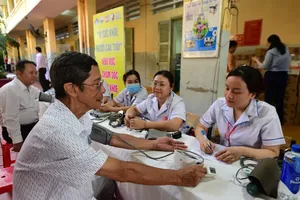
The event aims to update the latest research findings and share experience in the diagnosis, treatment, care, and infection control of communicable diseases amid increasingly complex developments in outbreaks.
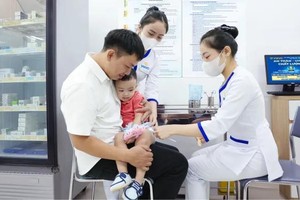
Reporting at the conference, Dr. Nguyen Thanh Dung, director of Ho Chi Minh City Hospital for Tropical Diseases, said the hospital’s surveillance data showed that the situation of communicable diseases in Ho Chi Minh City and southern provinces and cities was becoming increasingly complex. Some diseases have increased seasonally, while many others continue to pose a potential risk of resurgence. Measles is particularly noteworthy. After cases increased from late 2024 through 2025, the number of infections has tended to decline following intervention campaigns, signaling the clear effectiveness of vaccination and disease prevention and control measures.
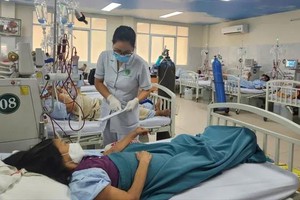
However, dengue fever is showing signs of an increase. While the number of cases had previously remained low, more than 120 cases have recently been recorded on some days, with the figure reaching around 150 cases on occasion. In treating dengue fever, the hospital regularly reviews each severe case and assesses the processes of detection, referral, and treatment to identify areas where earlier intervention may be possible. Practical experience shows that early detection, accurate identification of warning signs, and treatment in accordance with clinical protocols are crucial to reducing severe cases and fatalities.
Therefore, disease surveillance should not stop at monitoring the number of cases but must also include tracking severe cases and deaths and analyzing their underlying causes.

According to Dr. Nguyen Thanh Dung, Ho Chi Minh City Hospital for Tropical Diseases regularly receives patients from provinces and cities across southern Vietnam. Following the Covid-19 pandemic, there have been notable changes in the profile of patients seeking care at the hospital. Data from outpatient consultations and inpatient treatment not only reflect the disease situation at the hospital but can also provide signals of disease trends in the community.
The hospital considers disease surveillance one of its key responsibilities. Every case, particularly those involving communicable diseases with unusual manifestations or an upward trend, needs to be analyzed to identify potential risks at an early stage. The hospital coordinates with the preventive healthcare system and the Ho Chi Minh City Center for Disease Control to share data, review statistics, and assess disease developments. The goal is to establish an early warning system in which hospital data serves as an important source of information for disease prevention and control.
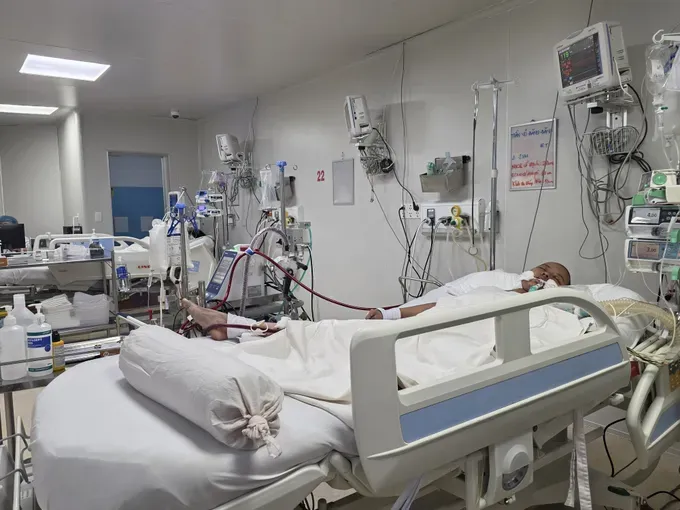
An important lesson from the Covid-19 pandemic is that the city must not wait until case numbers surge before preparing resources. It cannot accurately predict which disease will emerge next, but the medical sector can prepare personnel, equipment, medicines, medical supplies, testing systems, and intensive care capacity so the city can detect and respond rapidly when abnormal signals emerge, Dr. Nguyen Thanh Dung said.
In addition, Dr. Nguyen Thanh Dung said that every figure related to patients seeking medical care, every severe case, or every unusual cluster of cases could serve as a signal. If these signals are properly analyzed, promptly shared with the preventive healthcare system, and followed by an early response, the health sector will have more time to contain outbreaks before they spread widely. This also represents a key requirement at the present stage: shifting from a reactive approach that focuses primarily on treating patients after they arrive at hospitals to proactive surveillance, data analysis, and early warning at the community level.
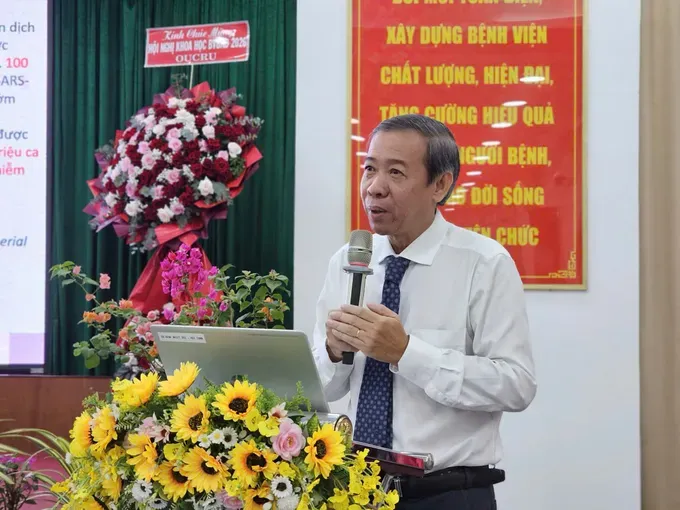
At the conference, Dr. Nguyen Van Vinh Chau, Deputy Director of the Ho Chi Minh City Department of Health, said the world had gained valuable lessons in epidemic prevention and control following the Covid-19 pandemic. However, new threats continue to emerge, ranging from Ebola and avian influenza to antimicrobial resistance. Preparing for future pandemics cannot begin only when an outbreak occurs; it must start today.
The world cannot know exactly when, where, or what pathogen will trigger the next pandemic. However, the health sector can take proactive measures to ensure it is not caught off guard when a new threat emerges. “Preparing today, strengthening the healthcare system and building early detection capacity are key to minimizing the cost of a crisis when it occurs,” Dr. Nguyen Van Vinh Chau emphasized.





)