After a long day of work, many workers return to their rented rooms hoping for a few moments of peace and comfort, surrounded by family members, neighbors, and landlords willing to lend a helping hand. In many places, that hope has become a reality.
A place to settle down
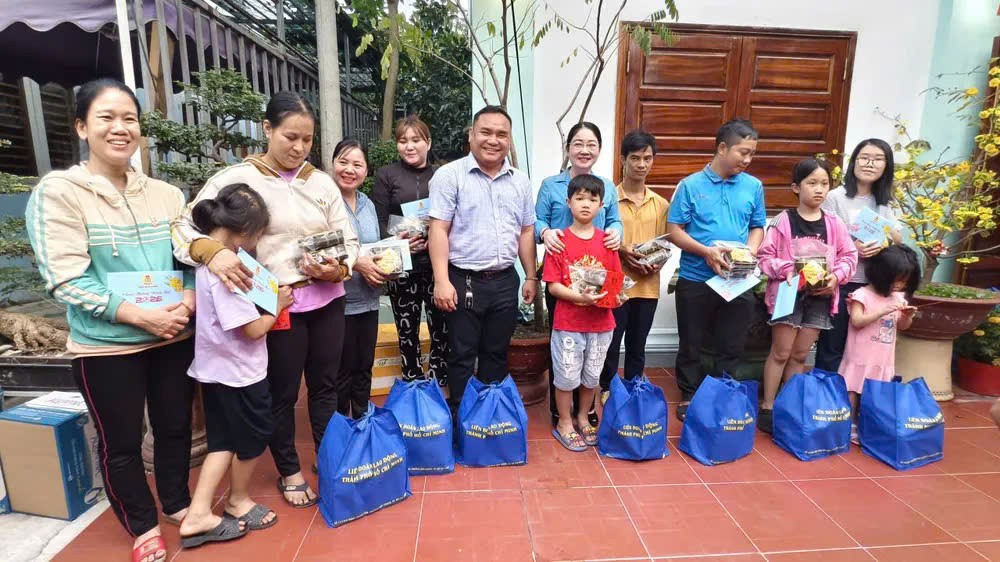
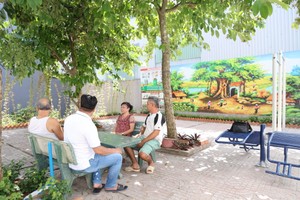
On a weekend afternoon at the Hoang Mai boarding house complex in Phu Hoa 5 neighborhood, Phu Loi Ward, workers returning from their shifts filled the area with cheerful conversations. The boarding facility is clean, with spacious walkways and security cameras installed throughout the corridors.
Da Thi Nguyet Hue, 26, from Binh Thuan, who lives there with her husband and four-year-old son, expressed her appreciation. After living here for some time, they clearly see the practical benefits. The boarding house is clean, airy, and very secure, she said.
Providing that sense of security is exactly what Bui Thi Vai, owner of the Hoang Mai boarding house, aims to achieve. According to Vai, most tenants are workers, students, and young families who have come from different provinces and cities to build their lives.
“Understanding that tenants want a safe living environment, I installed a surveillance camera system and carefully check tenants’ documents before renting rooms. During their stay, I regularly remind them to stay vigilant and avoid social evils", the landlady said.
Beyond security concerns, landlady Vai also works with the Ho Chi Minh City Federation of Labor and local authorities to organize activities that improve workers’ spiritual and cultural lives. In 2026 alone, authorities and labor organizations have already twice coordinated legal education, fire prevention, and public security awareness programs for tenants.
Solidarity meals, cultural performances, and gift-giving programs for workers facing difficulties are also held regularly.
In Xom Den neighborhood, Tan Uyen Ward, Nguyen Van Tai, 42, from Tay Ninh, has lived in the same boarding house for nearly a decade. His 16-square-meter room with a loft has been home to his family as they raised two children.
Tai recalled that when he first arrived looking for work, he chose the boarding house because of its reputation for safety and strict management.
“During the Covid-19 pandemic, the landlord reduced rent for workers facing hardship. Even though our jobs are more stable now, we have stayed because we consider this our long-term home,” he said.
Tran Thi Thuy, 50, from Nghe An, has also spent more than ten years living in a boarding house in Di An Ward. Her children grew up in the small rented room, surrounded by the support and kindness of neighbors.
According to Tran Thi My, owner of a boarding house facility in Thu Dau Mot Ward, a safe living environment is just as important as wages and company benefits in retaining workers.
“Workers can only focus on their jobs when their living environment is secure, landlords are responsible, and residents support one another. That is the foundation for their long-term commitment to the locality,” she said.
A shield built on community responsibility
Behind the peaceful atmosphere of many boarding houses is the quiet contribution of local police officers, who regularly visit residential areas to monitor conditions and address emerging issues.
Lieutenant Colonel Nguyen Phong Vinh, Deputy Chief of Police of Di An Ward, said the locality is promoting a drug-free ward campaign through open letters and awareness programs reaching residential areas, boarding houses, businesses, and schools. The initiative is considered a fundamental solution for building a safe and healthy living environment.
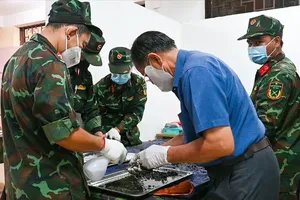
In Thoi Hoa Ward, where authorities have faced ongoing challenges from crime and drug-related activities, Neighborhood 6’s management board has coordinated with ward police to conduct inspections and rapid drug testing in boarding houses and residential areas, enabling authorities to promptly detect and handle violations.
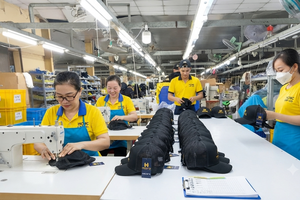
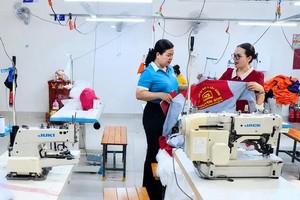
Meanwhile, in Binh Hoa Ward, legal awareness campaigns have been expanded to factories and industrial facilities. On June 16, Binh Hoa Ward Police, in cooperation with the Dong An Industrial Park Police Station and the Binh Hoa Ward Trade Union, organized a legal education program for 250 workers at Bowker Vietnam Garment Co., Ltd.
Lieutenant Colonel Nguyen Tien Thien, Deputy Chief of Police of Binh Hoa Ward, said boarding houses that accommodate large numbers of workers remain a priority for local police monitoring efforts.
In addition to managing residency registration, police regularly work with boarding house owners to promote legal awareness and encourage tenants to protect their property and remain alert to crime and social problems.
According to Lieutenant Colonel Nguyen Tien Thien, when landlords, tenants, and authorities all share responsibility, a safe living environment can be maintained over the long term.
Through awareness programs organized by authorities, workers gain legal knowledge, learn how to identify violations, and improve their ability to protect themselves and their property. These efforts are helping create safer living environments in worker boarding house communities.