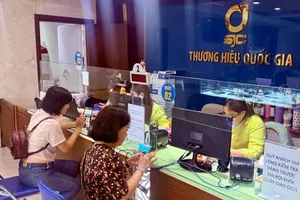
On July 28, the Agency for Domestic Market Surveillance and Development under the Ministry of Industry and Trade said U.S. President Donald Trump had recently issued a memorandum directing the Office of the United States Trade Representative to implement measures under Section 301 of the Trade Act of 1974 against 60 economies that have not enacted or effectively enforced bans on imports of goods produced wholly or in part with forced labor.
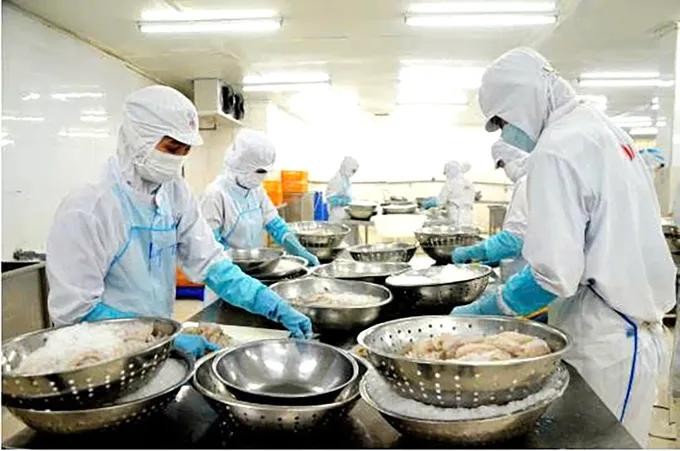
Under the memorandum, goods originating from Vietnam will be subject to a 12.5 percent tariff under Section 301, except for products exempted under the memorandum's appendix.
The Agency for Domestic Market Surveillance and Development noted that the United States applies the standard to goods produced "wholly or in part" with forced labor. This means the risk is not limited to the final stage of production but may originate from raw materials, components, semi-finished products, or any other stage of the supply chain.
The Ministry of Industry and Trade advised Vietnamese businesses to proactively review their supply chains, verify the origin of raw materials, maintain complete documentation, classify supplier risks, closely monitor product origin, and prepare records to meet verification requests from regulatory authorities or import partners.
Earlier, on June 11, the Ministry of Industry and Trade issued Circular No. 31/2026/TT-BCT on product traceability for goods under the ministry's management.
Under the regulation, products and goods classified as high risk are required to implement traceability measures, while other products are encouraged to adopt them voluntarily. Businesses may submit information through the Ministry of Industry and Trade's Product Traceability System or develop their own internal infrastructure capable of connecting to and sharing data with the ministry's system.