Cocoa has been grown in Dong Nai since the 1980s, but commercial development only gained momentum after the National Cocoa Program was launched in 2003. Investment by businesses in raw material production, technical support and guaranteed purchasing has encouraged farmers to expand cultivation while creating an integrated value chain from production to processing and export.
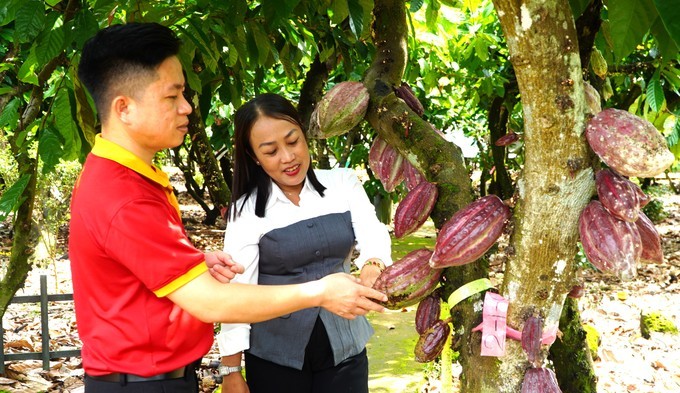
Nguyen Van Dam, head of the Xuan Bac Cocoa Cooperative Group and one of the area's pioneering cocoa growers, said his family originally cultivated pepper and cashew trees. After pepper plantations suffered from disease and cashew yields declined, the family began intercropping cocoa with cashew. Encouraged by stable returns, they gradually replaced part of their cashew orchard with cocoa.
His family now grows cocoa on about 0.5 hectares. The Xuan Bac Cocoa Cooperative Group has 114 member households cultivating around 80 hectares. Mr. Nguyen Van Dam said farmers remain committed to cocoa thanks to relatively stable prices, guaranteed purchases by enterprises and regular technical support on cultivation, pest control and fermentation techniques that meet quality standards.
Many growers earn around VND220 million (US$8,400) per hectare annually, significantly higher than many other crops. The success has been driven by close cooperation between farmers and businesses.
Founded in 2006, Trong Duc Cocoa Company limited has become one of the countrys pioneers in building an integrated cocoa value chain, covering seed research, nursery production, raw material development, technical transfer, procurement, fermentation, deep processing and exports.
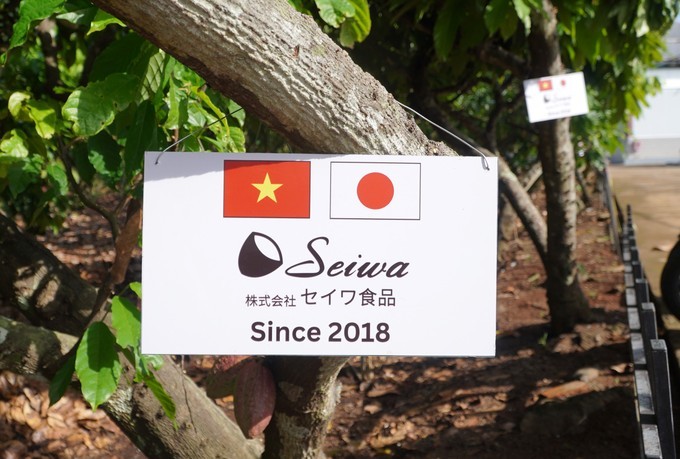
According to Dang Tuong Khanh, the company's general director, the business has expanded from seven cocoa clubs involving about 400 farming households to 14 cooperative groups with more than 1,000 households. Its raw material area now exceeds 1,000 hectares across Dong Nai, Lam Dong, Gia Lai and Da Nang.
Expanding raw material areas
Le Thi Anh Tuyet, Deputy Director of the Dong Nai City Department of Agriculture and Environment, said thatagriculture remains a key pillar of the local economy and a bright spot in the Southeastern region. Under the city's strategy to increase agricultural value, cocoa has been identified as one of its priority crops, with a focus on developing sustainable value chains and deep processing.
Dong Nai currently has more than 1,000 hectares of cocoa, but authorities see significant potential for expansion. The agriculture sector is working with local governments to identify areas with suitable soil and water conditions, particularly through intercropping cocoa beneath existing cashew plantations.
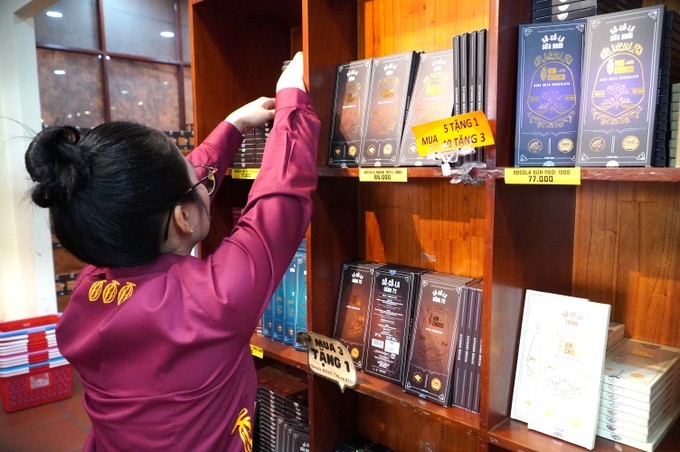
With around 176,000 hectares of cashew trees already in cultivation, utilizing these orchards for cocoa production could expand raw material supplies, improve land-use efficiency and increase farmers' incomes.
Xuan Loc, Dinh Quan, Trang Bom and Tan Phu, along with the Northern areas such as Bu Dang, Bu Gia Map and Phu Rieng, have favorable conditions for cocoa cultivation and are expected to become major production zones.
Beyond expanding cultivation, Dong Nai is also promoting deep processing and brand development. Cocoa products from the province are already exported to demanding markets, including Japan, the Republic of Korea and Europe.
With larger cultivation areas, greater investment in processing and stronger branding, cocoa is expected to become one of Dong Nai's flagship agricultural industries, enhancing the value of Vietnamese agricultural products and strengthening the international presence of Dong Nai cocoa.