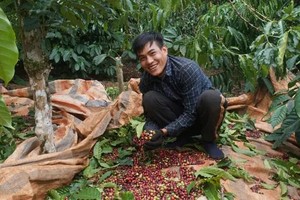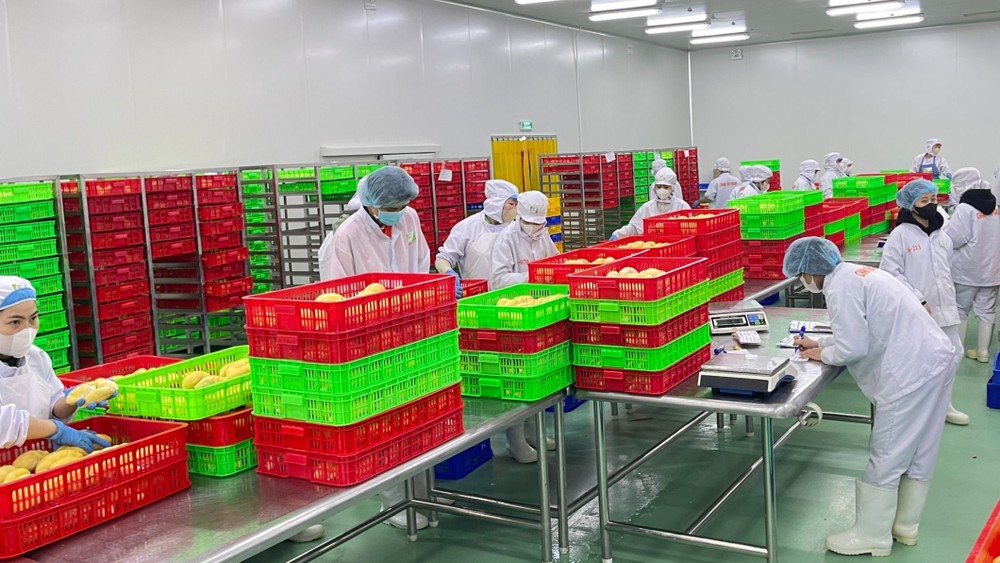
By late July, Grade A Thai durians were selling for VND77,000-80,000 per kilogram in the Southeast region and VND73,000-75,000 in the Central Highlands. Grade B fruit fetched VND45,000-52,000 per kilogram, depending on quality. Grade A Ri6 durians were priced at VND38,000-40,000 per kilogram, while Grade B fruit traded at VND25,000-30,000.
Traders said prices have risen by VND5,000-7,000 per kilogram since mid-July, largely due to increased purchases from the Chinese market.
Exports have also received a boost after the Customs Department under the Ministry of Finance instructed regional customs offices to expedite same-day customs clearance, including outside regular working hours and on weekends and public holidays. Meanwhile, ministries, local authorities, and relevant agencies are accelerating the issuance of growing-area and packing facility codes required for exports.
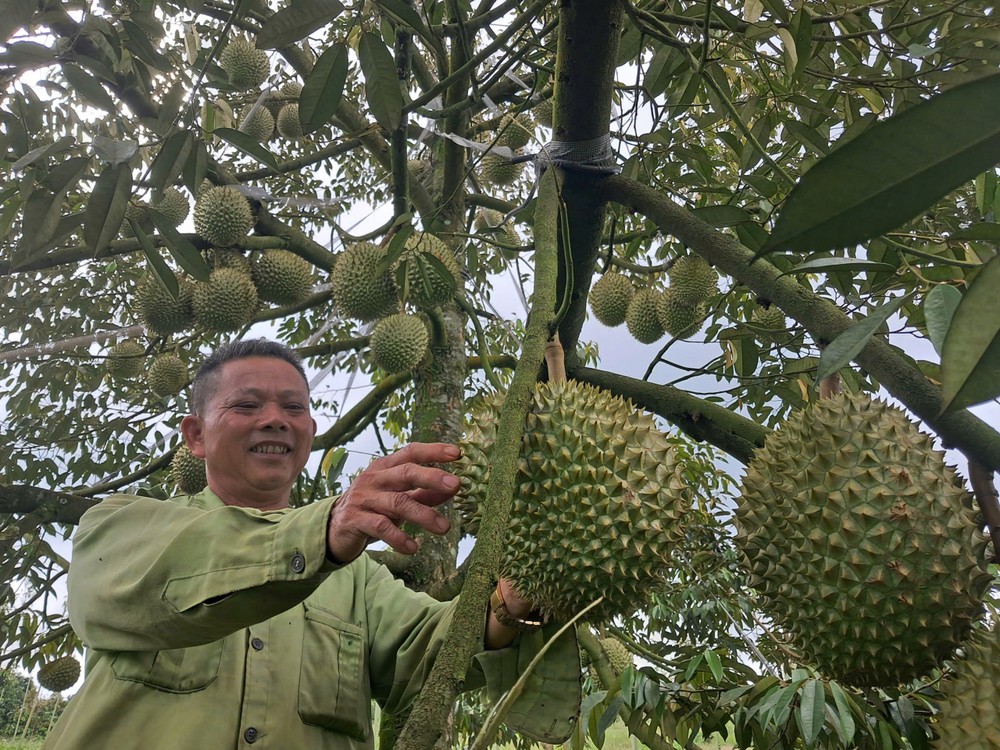
Mr. Nguyen Van Muoi, Deputy Secretary General of the Vietnam Fruit and Vegetable Association, described the price recovery as an encouraging sign as the Central Highlands enters its peak harvest season, which runs through October.
He noted that Thailand's durian harvest has largely concluded, giving Vietnamese exporters a competitive advantage as supplies from their main regional rival decline. At the same time, improving demand in overseas markets has encouraged exporters to step up purchases from growers.
According to Mr. Nguyen Van Muoi, the Central Highlands harvest typically generates the highest durian export earnings of the year. Rising farmgate prices and more active procurement in key growing areas are expected to support durian exports and the broader fruit and vegetable sector during the remainder of 2026.
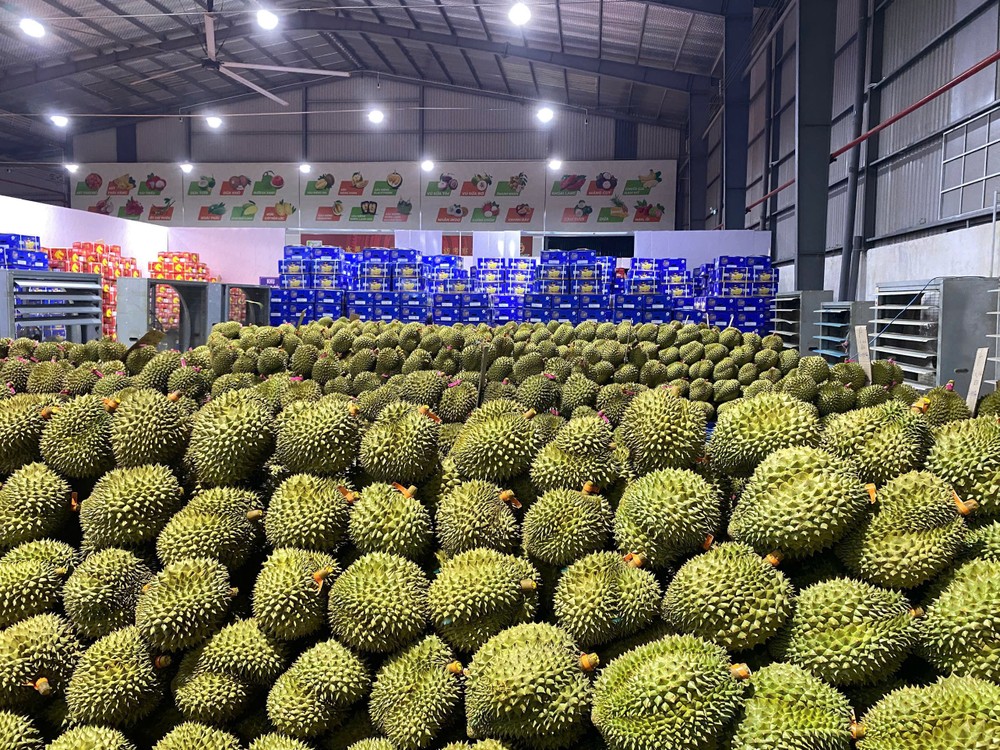
The Vietnam Fruit and Vegetable Association estimates the country's fruit and vegetable exports reached nearly US$5 billion in the first seven months of 2026, up 23 percent year on year. Durian remained the industry's leading export, accounting for more than half of total export revenue and continuing to drive the sector's growth.