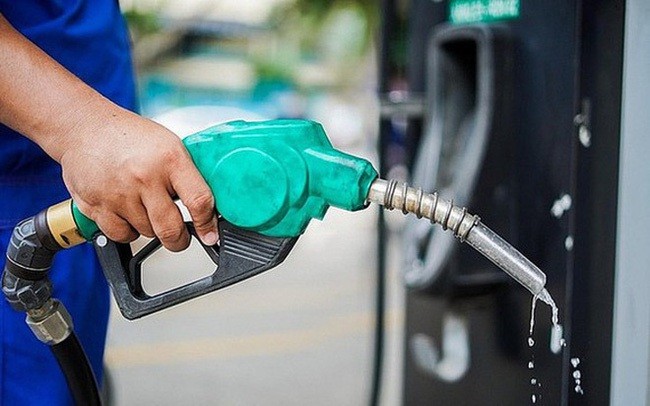
The Ministry of Finance is seeking public feedback on a draft resolution of the National Assembly Standing Committee proposing a reduction in the environmental protection tax on petroleum products, including a plan to cut the tax on gasoline (excluding ethanol) and diesel by half.
Under the proposal, the environmental protection tax on gasoline would fall from VND2,000 to VND1,000 per liter, while the tax on diesel would be reduced from VND1,000 to VND500 per liter. Aviation fuel would also see its tax lowered to VND1,000 per liter, a reduction of VND500 from the current rate.
If approved, the new tax levels would take effect from the date the resolution is signed and remain in force until June 30. Should an extension be required, the Ministry of Industry and Trade would submit recommendations to the Ministry of Finance for consolidation and reporting to the Government.
The environmental protection tax is an indirect levy incorporated into the retail price of petroleum products. As a result, any reduction in the tax would translate into lower retail prices. For example, if the tax on gasoline (excluding ethanol) were cut by VND1,000 per liter, the retail price could decline by about VND1,080 per liter after accounting for value-added tax adjustments. Similarly, a VND500 reduction in the environmental tax on aviation fuel and diesel could lower their retail prices by around VND540 per liter.
The proposal follows recommendations from the Ministry of Industry and Trade. Currently, the environmental protection tax accounts for about 6.7 percent of the base price structure of petroleum products. Eliminating the tax entirely would require the Government to submit a proposal to the National Assembly for consideration, while adjustments within the existing tax framework fall under the authority of the National Assembly Standing Committee.
According to the Ministry of Industry and Trade, the petroleum price stabilization fund currently holds around VND2.6 trillion. The fund has been used extensively since March 10 to help ease upward pressure on domestic fuel prices as global oil markets have risen sharply.
Economist Nguyen Bich Lam, former Head of the General Statistics Office, suggested that Vietnam should reassess the tax structure embedded in petroleum prices to ensure greater rationality and address overlapping tax elements that raise input costs for the economy.
At present, taxes account for roughly 24–25 percent of gasoline prices and about 30 percent when related costs are included. Adjusting taxes, such as the environmental protection tax, special consumption tax, or value-added tax, could therefore contribute to lowering retail fuel prices and easing cost pressures across the economy.