According to Ngo Xuan Nam, Deputy Director of the Vietnam Sanitary and Phytosanitary (SPS) Office under the Ministry of Agriculture and Environment, many of Vietnam's major export destinations have simultaneously introduced new food safety and sanitary and phytosanitary regulations, requiring Vietnamese exporters to promptly adjust their production practices to comply with stricter standards.
He said that, as of July 31, members of the World Trade Organization (WTO) had issued 53 SPS notifications, including 48 draft measures open for public comment and 15 regulations that have already taken effect.
The notifications primarily concern Vietnam's major export markets, including the European Union, the United States, Japan, the Republic of Korea, Brazil, Israel, Canada and Morocco.
The new technical requirements extend beyond pesticide residue limits to include stricter controls on food-contact materials, food additives, packaging, product traceability and food sold through e-commerce platforms.
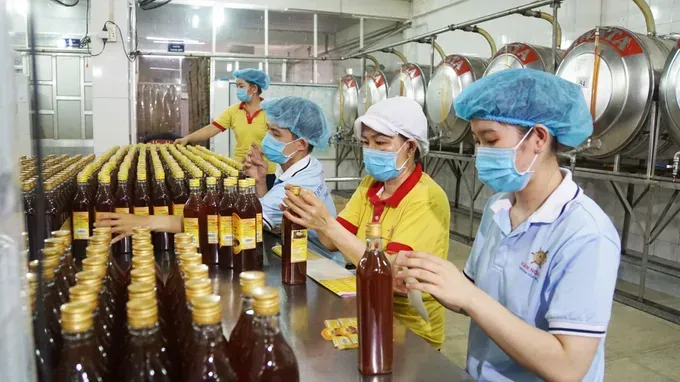
According to the Vietnam SPS Office, the changes indicate that importing countries are shifting from regulating product quality alone to overseeing the entire supply chain.
Under the new measures, the European Union has revised import regulations for animals and animal products, Japan continues to update maximum residue limits for various pesticide active ingredients, Israel has introduced new rules governing plastic materials intended for food contact, and South Korea has added regulations on imported food sold via e-commerce platforms.
The Vietnam SPS Office has advised businesses to proactively review their production processes, raw material sourcing areas, packaging and traceability systems to meet evolving market requirements, maintain competitiveness and minimize export risks.