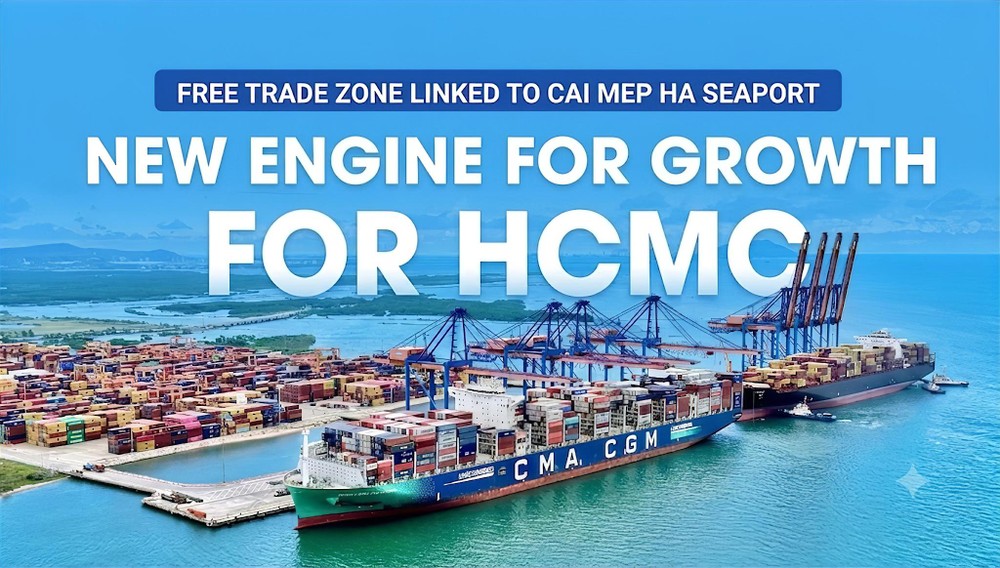
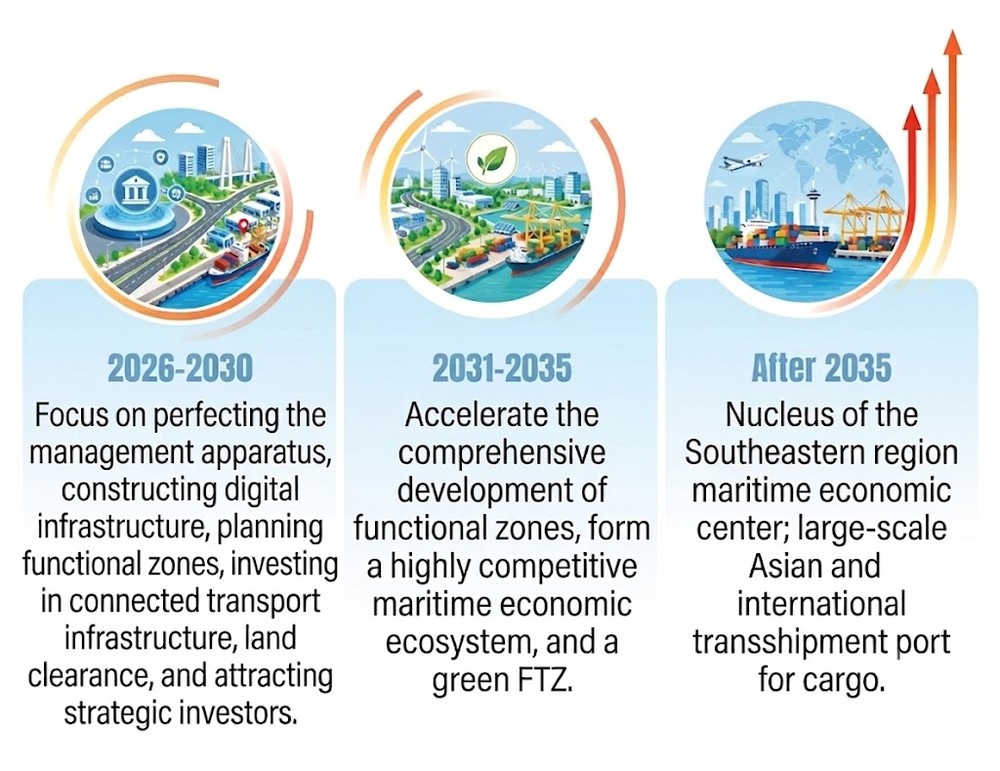
The establishment of a Free Trade Zone (FTZ) tied to the Cai Mep Ha seaport complex is opening a new development space for HCMC, leveraging seamlessly connected deep-water seaports, international airports, and a high-tech, financial, and logistics ecosystem. However, experts emphasize that for these strategic advantages to translate into genuine competitiveness, the decisive factor remains a regulatory mechanism that is sufficiently flexible, distinctive, and aligned with international standards.
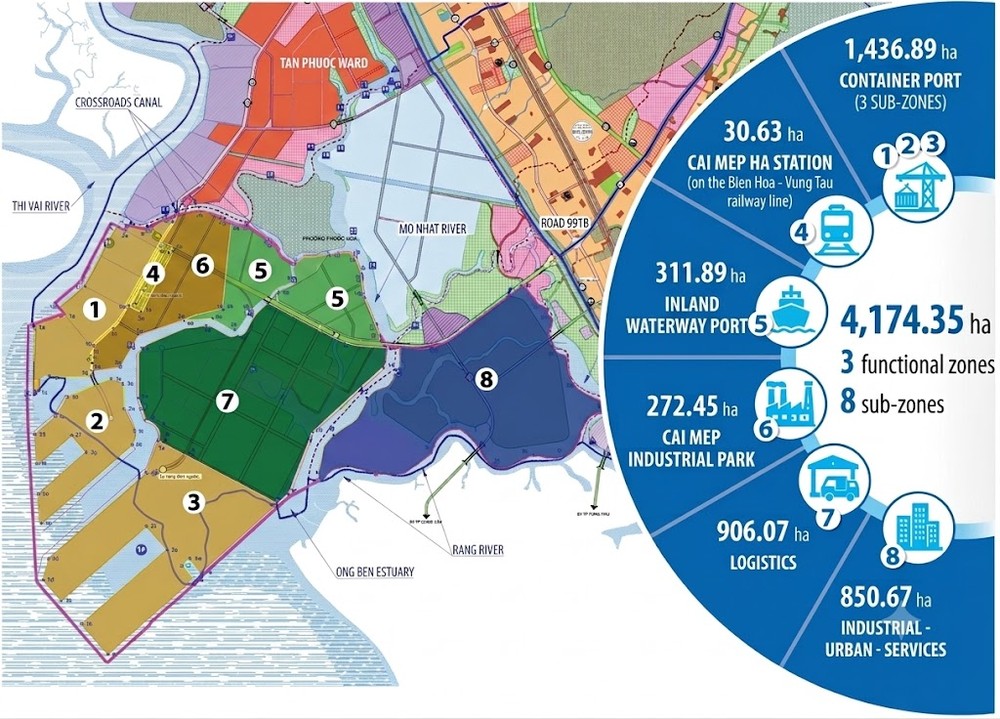
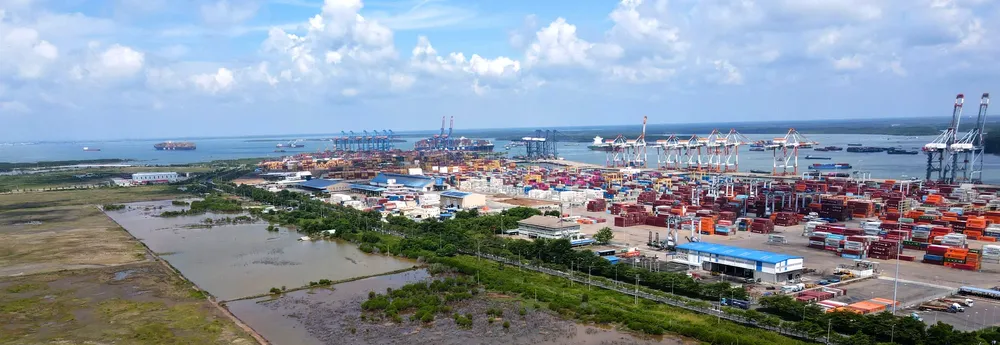
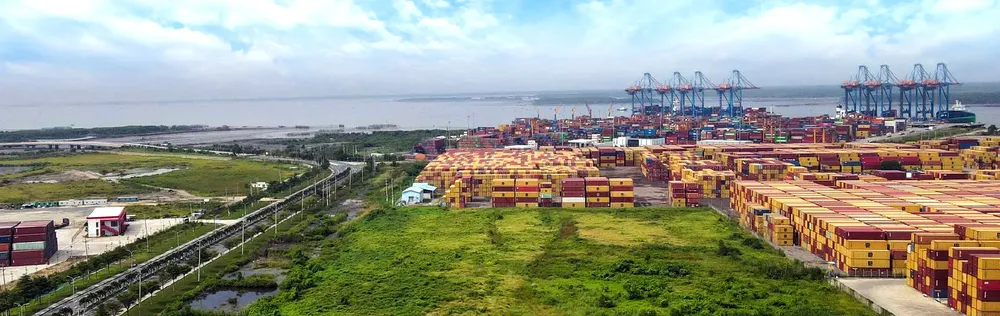
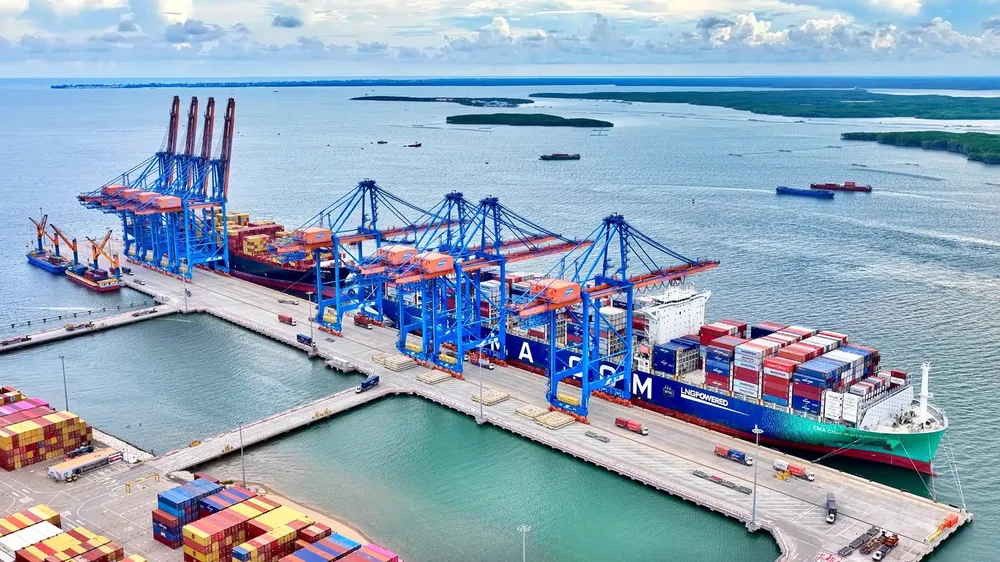
Spanning 4,174.35 hectares across Tan Phuoc and Tan Hai wards, the Cai Mep Ha FTZ is bordered by natural waterways and Ganh Rai Bay. Master-planned into three functional zones featuring eight contiguous subzones, the site seamlessly integrates container terminals, logistics centers, industrial parks, commercial services, inland waterway ports, and a freight railway station along the Bien Hoa–Vung Tau rail line.
The zone is envisioned as a pioneering economic model operating under breakthrough institutional frameworks and global standards, anchored by digital, green, and circular economic principles. Designed to attract high-tech, high-value-added industries, the FTZ will incorporate a non-tariff area with a specialized customs oversight mechanism, gradually establishing itself as a premier hub for international trade.
According to Director of the Ho Chi Minh City Department of Industry and Trade, Bui Ta Hoang Vu, following its territorial expansion, Ho Chi Minh City now encompasses deep-water seaports, international airports, industrial parks, a financial hub, and an inter-regional transport network, laying a solid foundation to develop a multi-functional FTZ.
Mr. Bui Ta Hoang Vu emphasized that Ho Chi Minh City's pioneering role in launching the Cai Mep Ha FTZ, leveraging special mechanisms authorized by the central government, demonstrates forward-looking vision and a new development mindset.
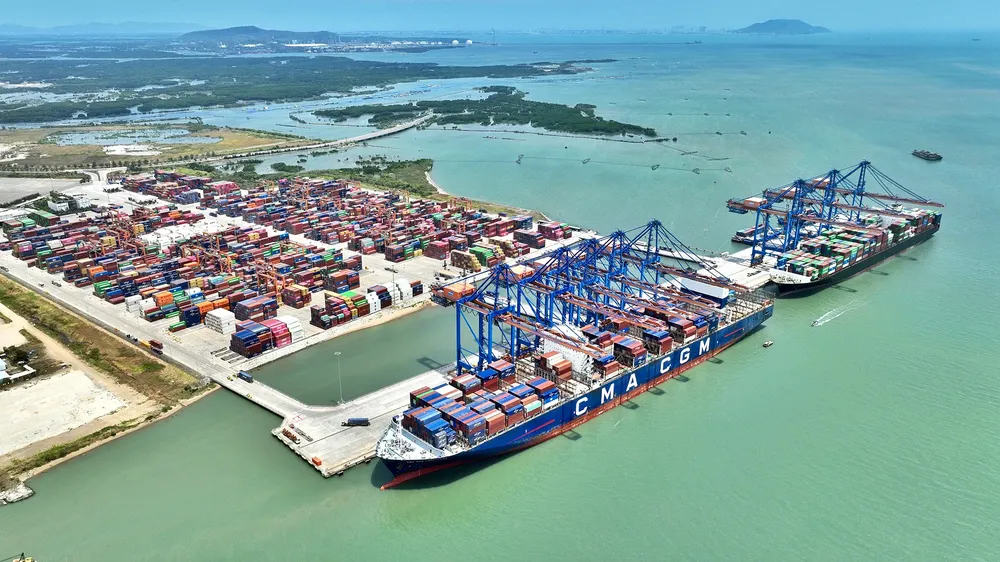
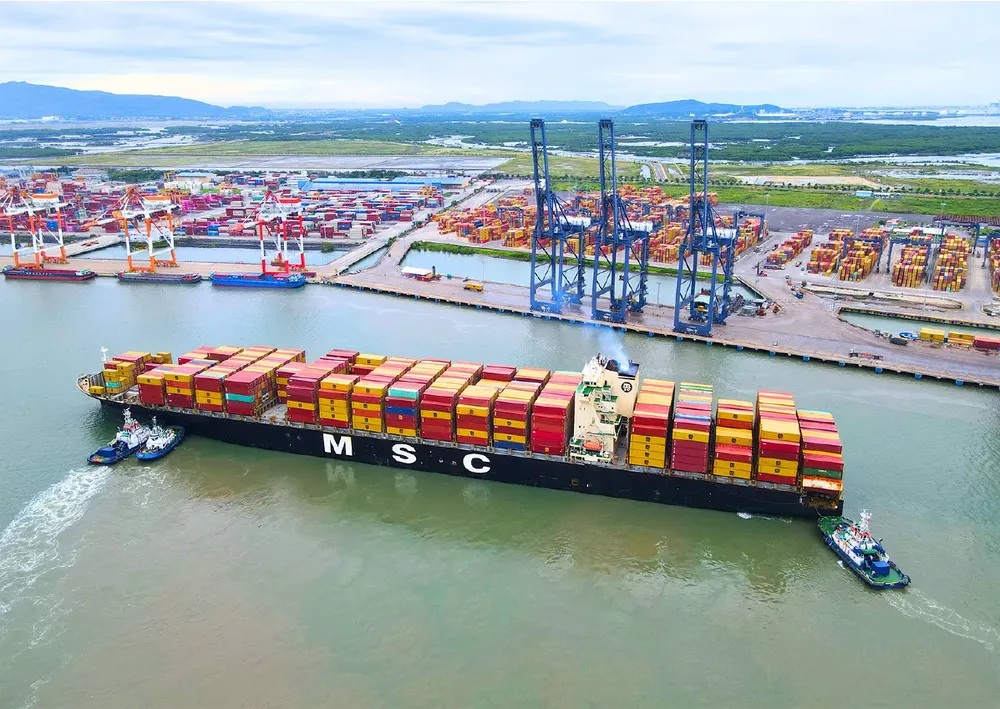
The Cai Mep Ha FTZ serves as the flagship project kicking off Ho Chi Minh City's broader strategy to establish an interconnected FTZ network. The Ho Chi Minh City Export Processing and Industrial Zones Authority (HEPZA) has been directly assigned to oversee and manage the zone.
Deputy General Director of Gemadept Pham Quoc Long hailed the Cai Mep Ha FTZ as a pivotal turning point for the seaport and logistics sectors. With its Gemalink port situated right at the FTZ's core, the company anticipates a sharp surge in cargo throughput once the zone becomes operational. Positioning to capture this demand, Gemadept has broken ground on Phase 2 with an investment of approximately US$200 million. Scheduled for commercial operation by late 2027, the expansion will boost the port's total capacity to over 3 million TEUs per year.
“What businesses anticipate most is a streamlined regulatory framework. When import-export procedures, especially for goods imported for processing, re-manufacturing, and re-export, are simplified, logistics costs will fall, while value addition and competitiveness will rise significantly”
Gemadept Deputy CEO
According to tourism expert Nguyen Minh Man, international experience shows that a free trade zone (FTZ) can only realize its full potential when developed as an integrated ecosystem linking seaports, airports, logistics, financial services, and other value-added services, supported by a transparent and modern digital governance framework. Once operating effectively, the FTZ network is expected to help Ho Chi Minh City attract high-quality foreign direct investment (FDI) into logistics, high-tech manufacturing, semiconductors, electronics, financial services, and international trade. It will also encourage domestic enterprises to integrate more deeply into global supply chains, increase local value-added content, and expand value-added services.
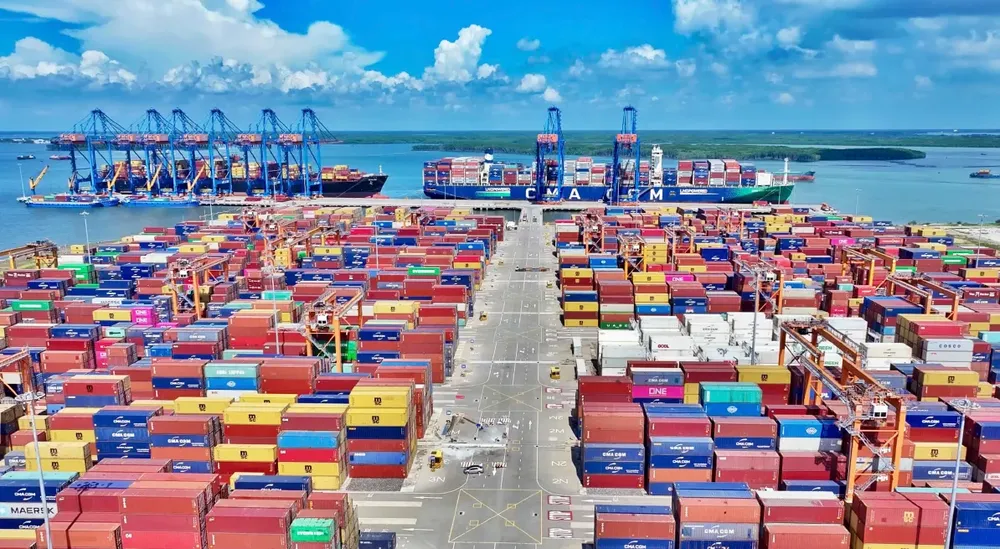
Experts believe that Cai Mep Ha already possesses a strong foundation and significant competitive advantages. The decisive factor is establishing a robust institutional framework capable of translating those advantages into lasting competitiveness. With streamlined procedures, lower costs, and higher-quality services, Cai Mep Ha could attract more international shipping routes, distribution centers, processing activities, and value-added services. Conversely, if businesses continue to navigate multiple layers of administrative procedures, the FTZ will struggle to differentiate itself from competing trade hubs.
Land acquisition timeline shortened for Cai Mep Ha FTZ
According to the Ho Chi Minh City Department of Agriculture and Environment, land acquisition for the Cai Mep Ha FTZ will only begin after an investor has been officially appointed for the project. Compensation, support, and resettlement procedures will then be carried out in accordance with the Land Law and Decree No. 102/2024.
The Ho Chi Minh City People's Committee has also issued inter-agency coordination regulations to accelerate site clearance. Notably, Resolution No. 254/2025/QH15 shortens the land acquisition period from 90 to 60 days for agricultural land and from 180 to 120 days for residential land, helping expedite project implementation.

Mr. Tran Viet Ha, Deputy Head of the Ho Chi Minh City Export Processing and Industrial Zones Authority (HEPZA), stated that the city's FTZ will be granted a series of unprecedented preferential mechanisms under Resolution 260/2025/QH15, creating a powerful magnet for foreign and domestic investors. Under the resolution, priority will be given to large-scale infrastructure projects, including seaport terminals with a minimum capital requirement of VND75 trillion (US$32.85 billion), logistics centers from VND25 trillion, and integrated industrial-urban-service complexes from VND20 trillion.
On administrative procedures, the FTZ streamlines investment processes, allowing foreign investors to establish business entities before receiving an Investment Registration Certificate (IRC). Specialized customs inspections will be waived for goods with declared conformity standards, and foreign trade management regulations will not apply to goods circulating within the FTZ. High-skilled workers and experts will receive visa privileges, including multi-entry visas valid for up to 5 years and temporary residence cards for up to 10 years.

Businesses operating within the zone will also benefit from highly competitive tax incentives: a preferential Corporate Income Tax (CIT) rate of 10 percent for 20 years (featuring a 4-year tax exemption followed by a 50 percent reduction for the subsequent 9 years), along with a 50 percent Personal Income Tax (PIT) reduction for managers and experts over a 10-year period. These are paired with land rental exemptions and non-tariff zone tax treatments. Additionally, enterprises are permitted to conduct transit trade, temporary import for re-export, and settle transactions in foreign currencies within the FTZ.

Cai Mep Ha possesses rare advantages for the development of a free trade zone (FTZ). It is anchored by the Cai Mep–Thi Vai deep-water port complex, located near Long Thanh International Airport, and connected to major interregional transport corridors.
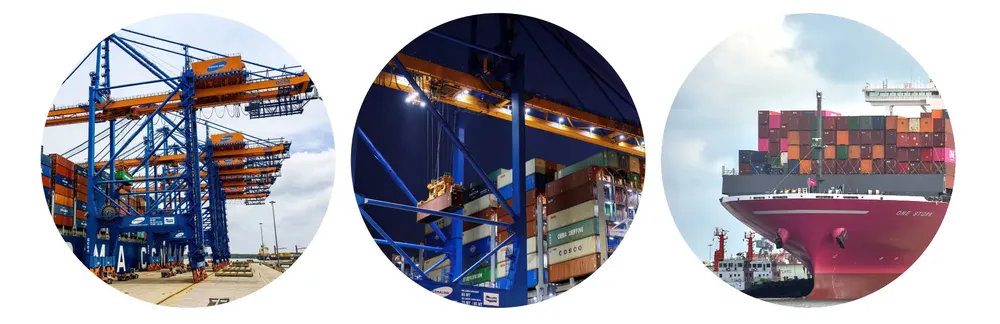
Its greatest advantage lies in the Cai Mep–Thi Vai port complex, one of Vietnam's key international maritime gateways, capable of accommodating container vessels of more than 200,000 DWT. The port currently handles 48 international container services each week, including more than 20 routes with mother vessels going directly to Europe and both sides of the US.
Transport infrastructure is also helping remove key bottlenecks around the port. Phuoc An Bridge will connect the area with the Ben Luc–Long Thanh Expressway, facilitating cargo flows from the Mekong Delta. Meanwhile, the Bien Hoa–Vung Tau Expressway is expected to cut travel time for freight from Bien Hoa to the port from about two hours to 45–60 minutes.
The Cai Mep Ha Free Trade Zone (FTZ) is expected not only to streamline cargo circulation but also to attract global capital flows, technology enterprises, financial services, and high-spending tourists, according to experts and regulatory officials. Experts noted that seamless connectivity between seaports, airports, financial centers, and service complexes will serve as a critical catalyst in forging a high-value-added economic ecosystem.
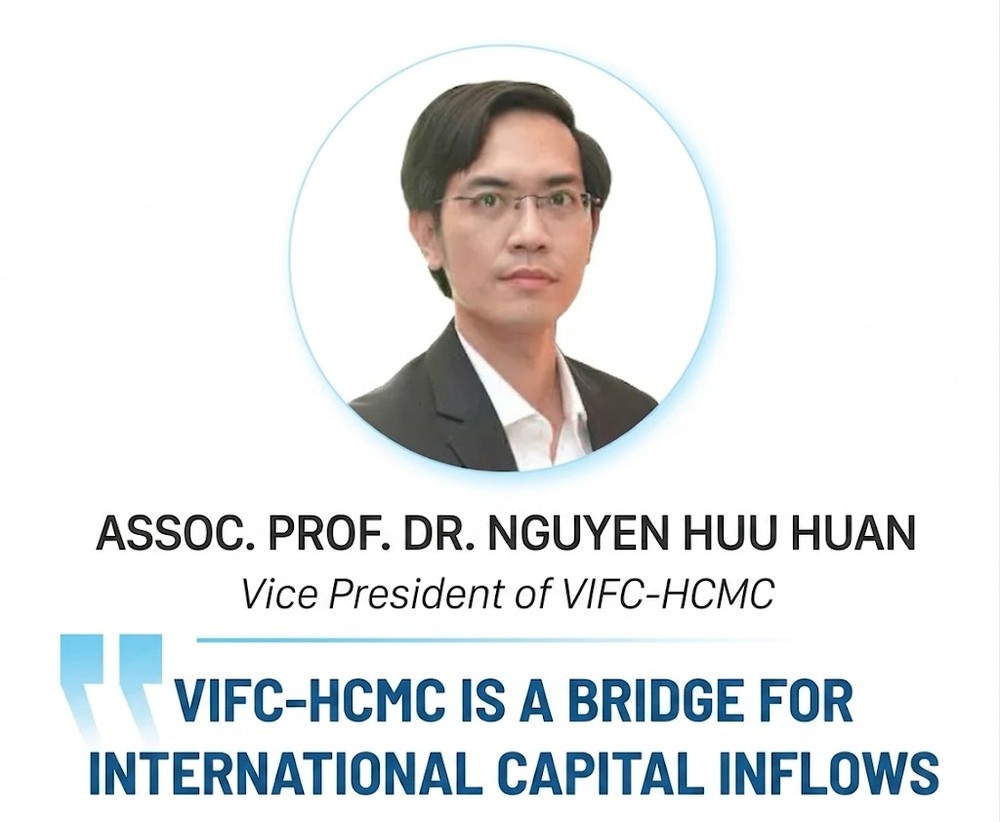
Assoc. Prof. Dr. Nguyen Huu Huan, Vice President of the Executive Authority of the Vietnam International Financial Center in Ho Chi Minh City (VIFC-HCMC), emphasized that the Free Trade Zone and the Vietnam International Financial Center in Ho Chi Minh City are two complementary components within the same ecosystem. While the FTZ focuses on the movement of goods, logistics, and international trade, VIFC-HCMC provides supporting financial services.
Specifically, VIFC-HCMC serves as a bridge to mobilize long-term capital from investment funds and international banks for logistics infrastructure, seaports, warehousing, and high technology within the FTZ, thereby lowering capital costs. This synergy also fosters a modern supply chain finance ecosystem, facilitating order financing, factoring, and real-time cross-border payments.
In the long run, the FTZ and VIFC-HCMC are expected to generate a spillover effect, attracting multinational corporations, investment banks and funds, logistics firms, and tech companies. This will help transition Ho Chi Minh City toward a growth model driven by finance, high-value-added services, and innovation.
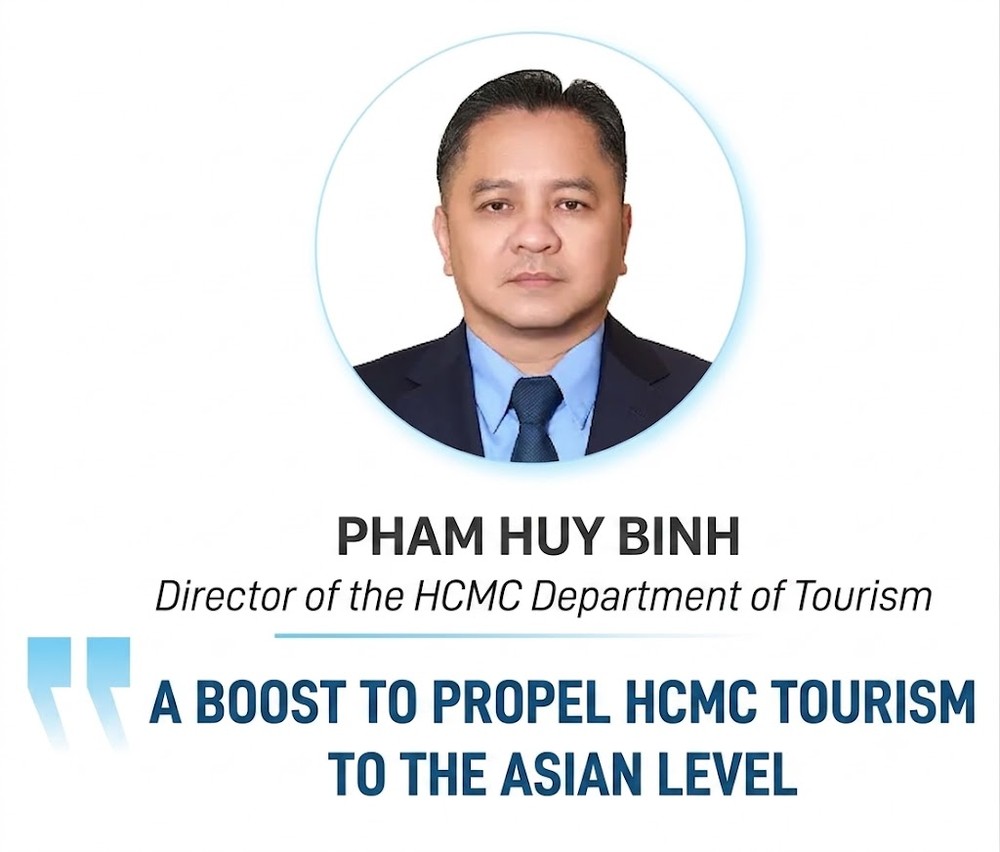
According to Director of the Ho Chi Minh City Department of Tourism, Pham Huy Binh, the implementation of the FTZ will provide fresh momentum for the tourism and service sectors, strengthening links between growth poles and contributing to the formation of a multi-polar development space for the city. Coupled with an increasingly complete transport infrastructure network, the FTZ is expected to attract experts, investors, and high-spending tourists.
Positioning to capture this opportunity, the city's tourism sector will shift decisively from extensive to intensive growth, prioritizing green tourism while effectively leveraging marine, island, and cultural heritage resources integrated with a high-end commercial, entertainment, and service ecosystem. This will serve as the foundation to extend visitors' length of stay, boost average tourist spending, and progressively establish Ho Chi Minh City as a premier tourism hub in Asia.
According to CEO of Imex Pan Pacific Group (IPPG), Le Hong Thuy Tien, the decisive factor for an FTZ's success lies in its ability to attract both visitor traffic and spending flows. Globally, there are more than 5,400 special economic zones, yet the majority operate below expectations. While models limited strictly to ports and warehousing often fail to generate widespread economic impact, successful FTZs typically integrate trade with tourism, shopping, and entertainment.
Drawing from international experience, Ho Chi Minh City could pilot 72-to-144-hour transit visa waivers via Long Thanh and Tan Son Nhat international airports, alongside group visa exemptions for cruise passengers. The city should also expedite investment in the Vung Tau International Passenger Port and resume cruise ship reception at Cai Mep.
Additionally, authorities could consider allocating land within the urban-service subzone to build world-class shopping, entertainment, and resort complexes, while piloting duty-free shopping policies upon exiting the FTZ. This strategy would transform Cai Mep Ha into both a cargo gateway and a spending magnet.
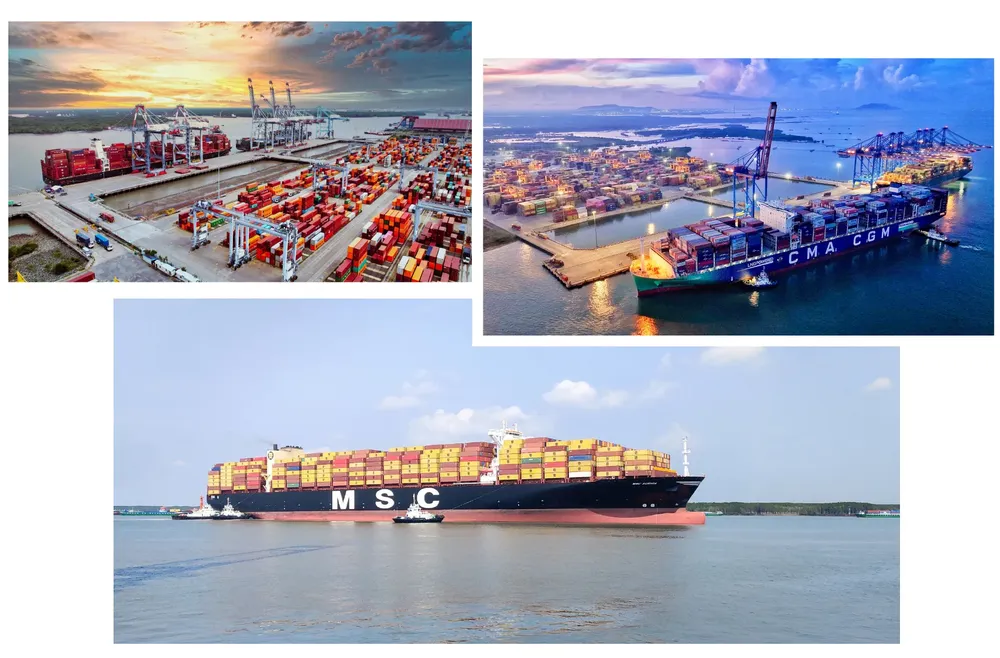
General Director of Portcoast Consultant Corporation, Pham Anh Tuan, noted that the Cai Mep Ha FTZ serves as a bridge connecting hard infrastructure, comprising the Cai Mep deep-water port and Long Thanh International Airport, with soft infrastructure, namely the Vietnam International Financial Center in Ho Chi Minh City, forming a modern logistics and financial ecosystem.
Equipped with tailored mechanisms and breakthrough policies, the FTZ is well-positioned to attract global shipping lines and international logistics conglomerates, gradually establishing a regional cargo transshipment hub while enabling Vietnam to transition from a low-cost manufacturing base to a higher-value node in the global supply chain.
The FTZ is also set to serve as a magnet for high-quality Foreign Direct Investment (FDI) in semiconductors, electronics, advanced technology, and the green economy. As international trade and cargo traffic expand, demand for cross-border payments, insurance, trade finance, and related financial services will surge accordingly.
Content: staff writers
Design: Huu Vi
Translation: Thanh Tam