Lam Dong emerges as hub for plant tissue culture in high-tech agriculture
SGGPO
Plant tissue culture (in vitro) has become a key driver of Lam Dong's high-tech agricultural sector, providing the foundation for large-scale production of high-quality, disease-free seedlings.
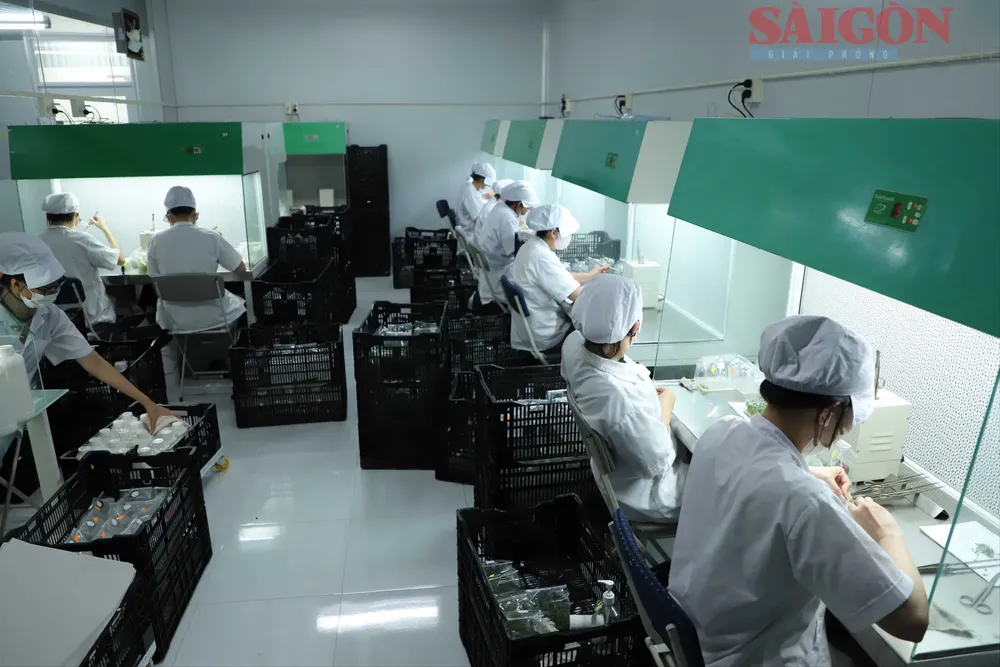
According to the provincial Department of Agriculture and Environment, Lam Dong is home to 46 tissue culture laboratories equipped with 647 specialized laminar flow cabinets, most of them located in Da Lat. Together, these facilities produce more than 74 million seedlings annually, including over 40 million destined for export markets.
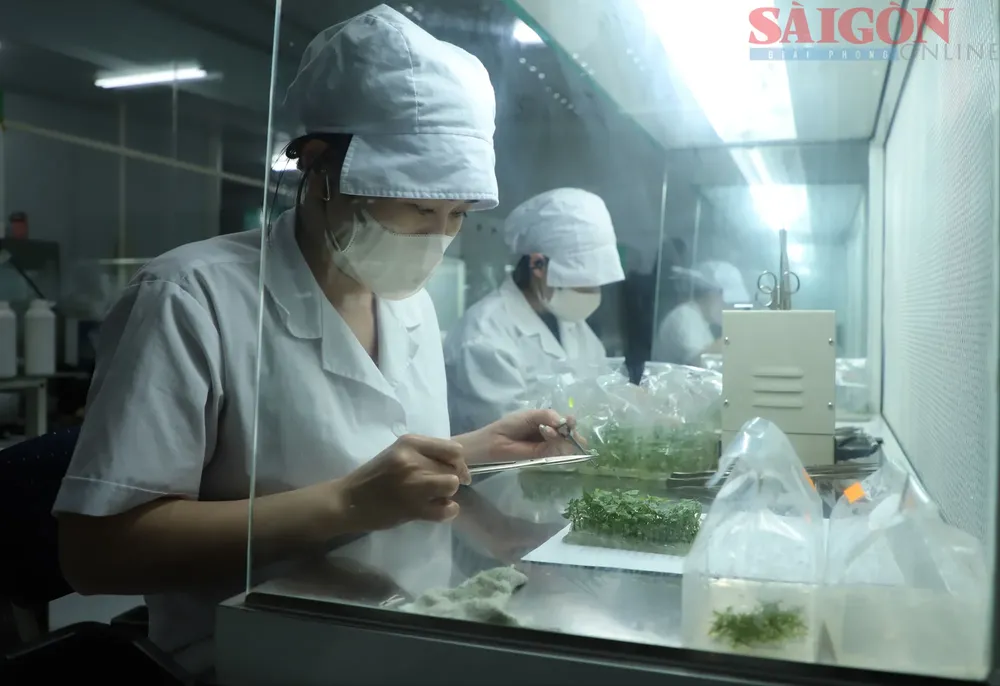
Workers propagate vegetable and flower seedlings in specialized laminar flow cabinets. Photo: SGGP/ Doan Kien
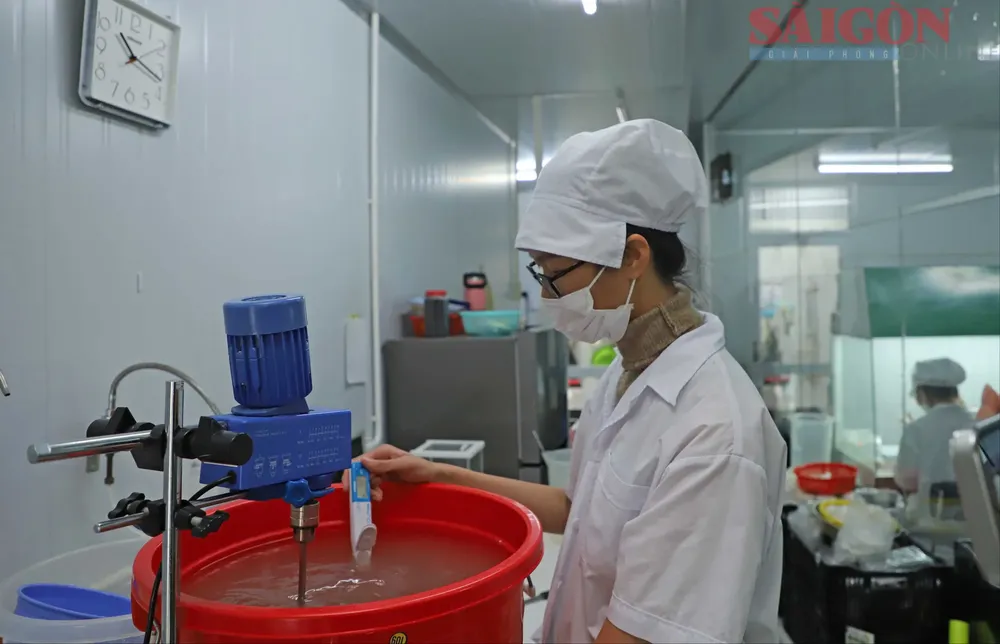
Far more than a propagation technique, tissue culture has become an essential component of the province's high-tech agricultural value chain. The entire process is carried out in sterile laboratory conditions using modern equipment and strict quality control procedures.
A technician checks the pH level of a nutrient solution before it is transferred to the tissue culture laboratory. Photo: SGGP/ Doan Kien
Selected plant tissue samples undergo multiple stages of shoot multiplication, root development and acclimatization before being transferred to nurseries for further growth. Major crops propagated through tissue culture include vegetables, strawberries, chrysanthemums, ornamental flowers, sweet potatoes and pineapples.
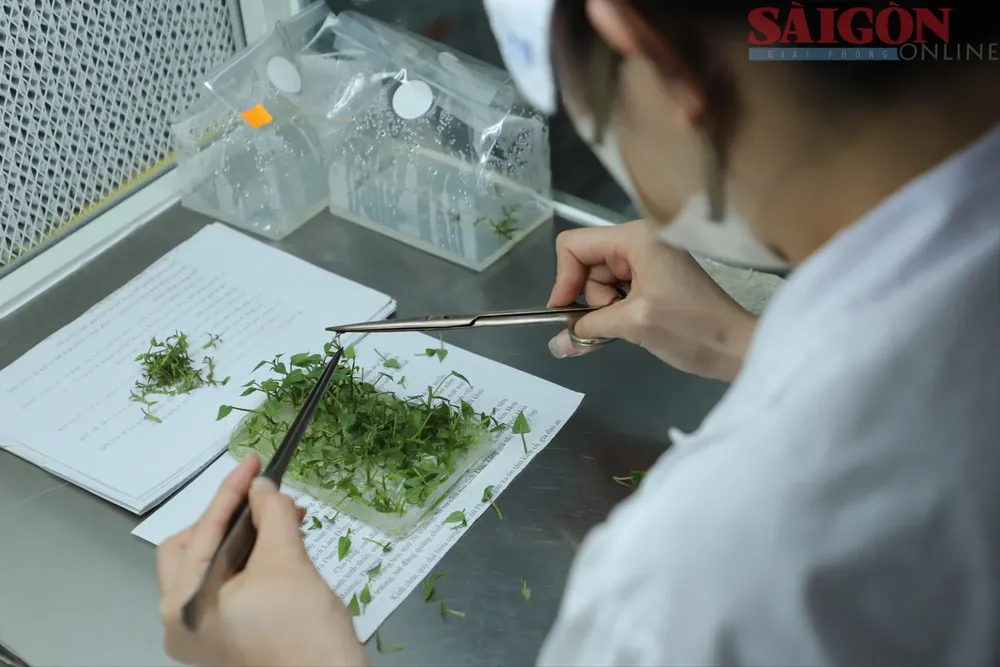
A worker selects healthy plant tissue from a mother plant, a critical step in the propagation process. Photo: SGGP/ Doan Kien
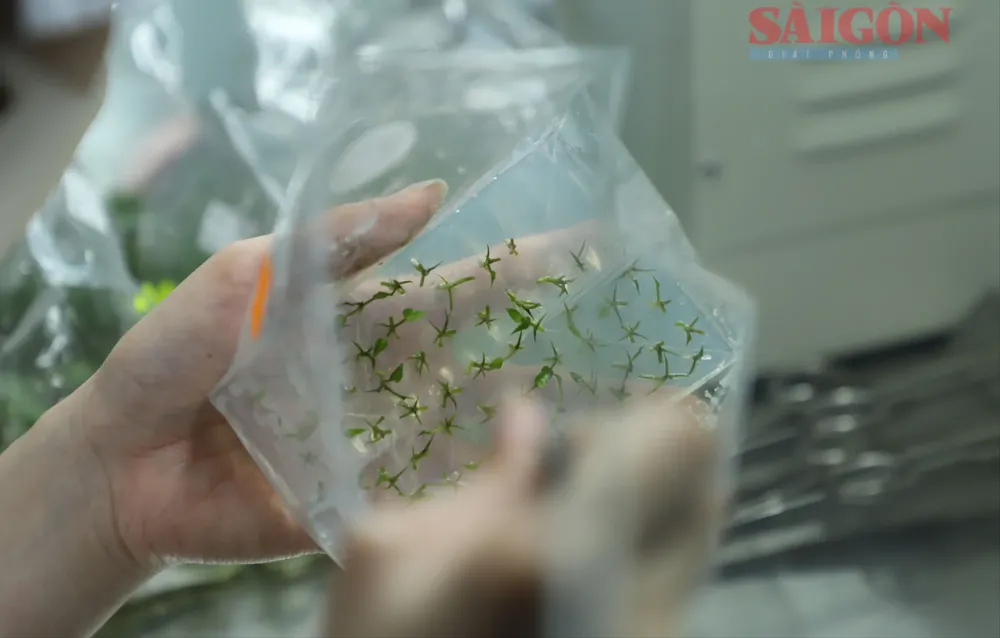
Selected plant tissue samples undergo multiple stages of cultivation before being mass-produced as seedlings. Photo: SGGP/ Doan Kien
The technology enables the rapid multiplication of planting materials on a commercial scale while ensuring consistent quality, high survival rates and strong adaptability once transplanted into production.
Each stage of the tissue culture process is carried out with meticulous care and precision. Photo: SGGP/ Doan Kien
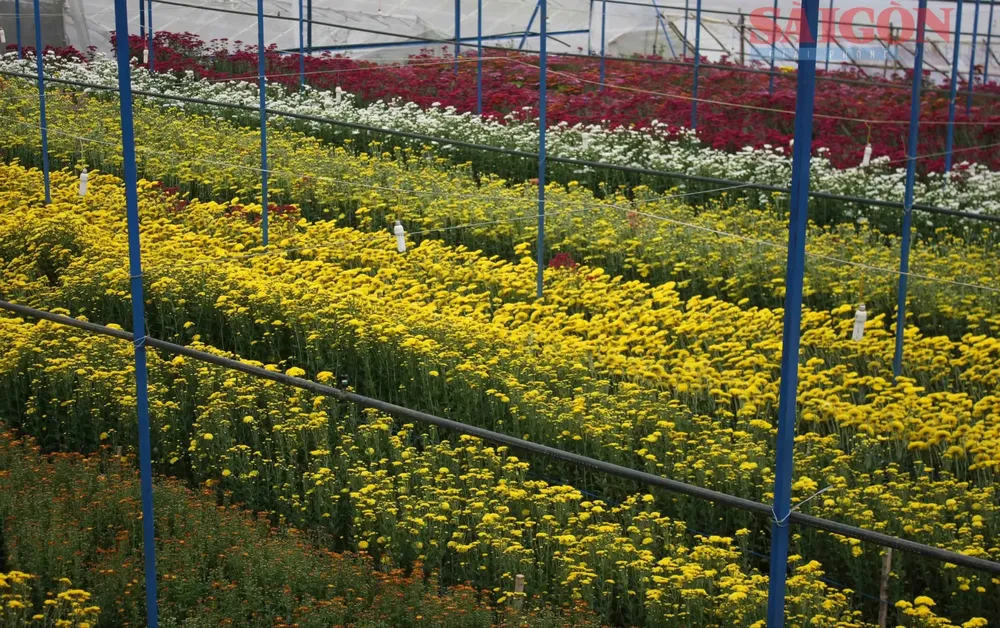
Advances in tissue culture have helped establish Lam Dong as one of Vietnam's leading centers for high-tech seedling production, strengthening the competitiveness of the province's vegetable and flower export industries.
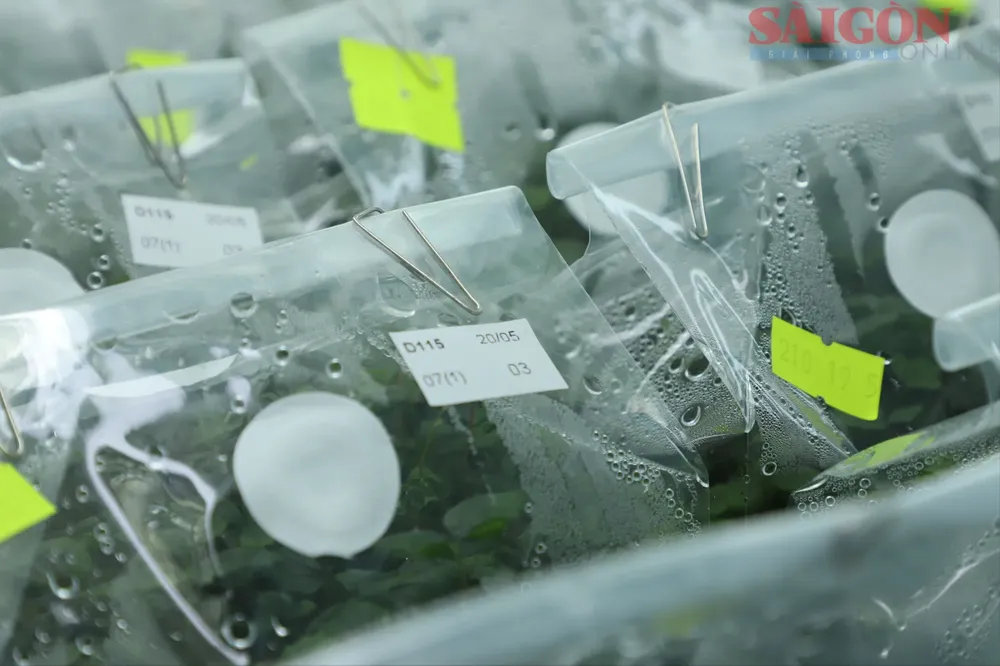
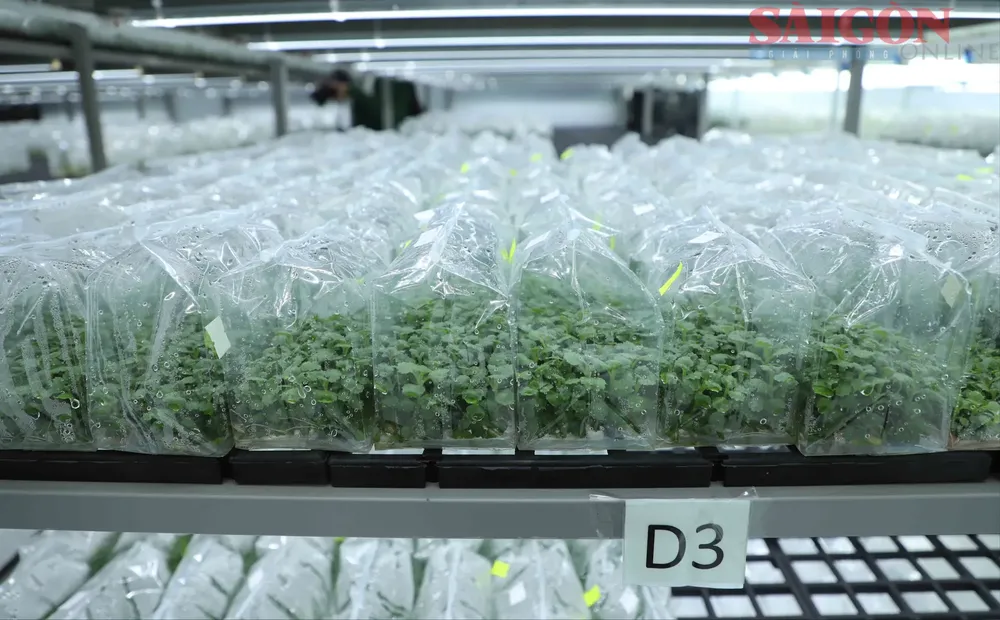
Each batch of seedlings is labeled with identification codes and production dates. Depending on the crop, it takes about three to six weeks from tissue sampling to transfer to nurseries. Photo: SGGP/ Doan Kien
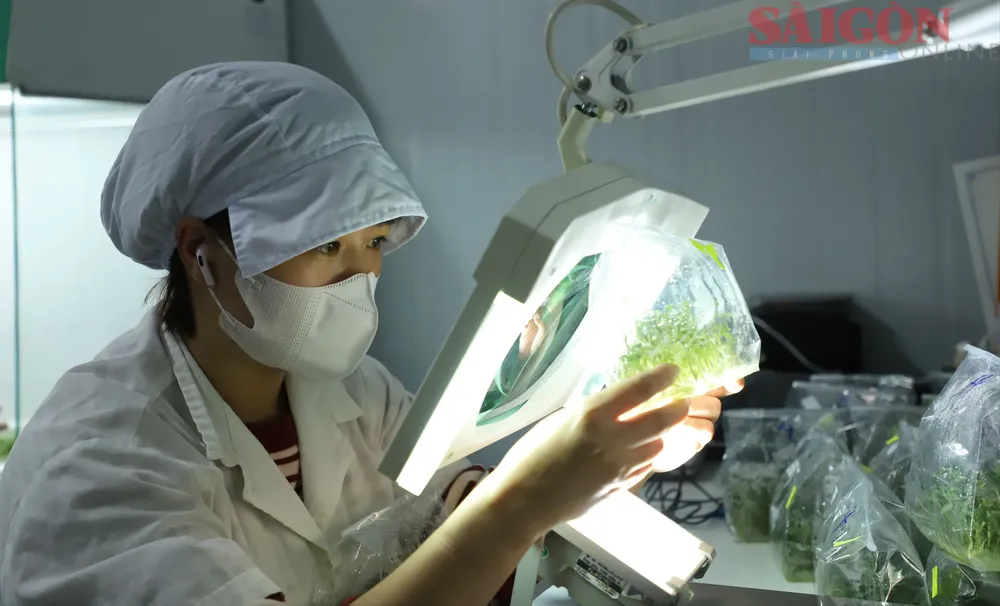
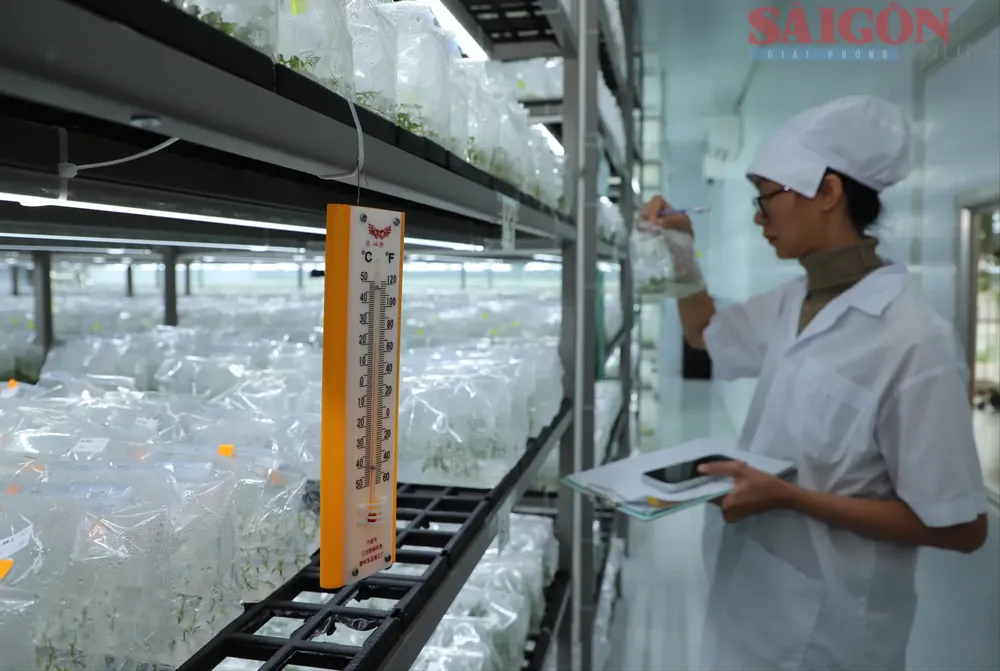
A technician examines seedlings under a magnifying lens to detect early signs of abnormalities. Photo: SGGP/ Doan Kien
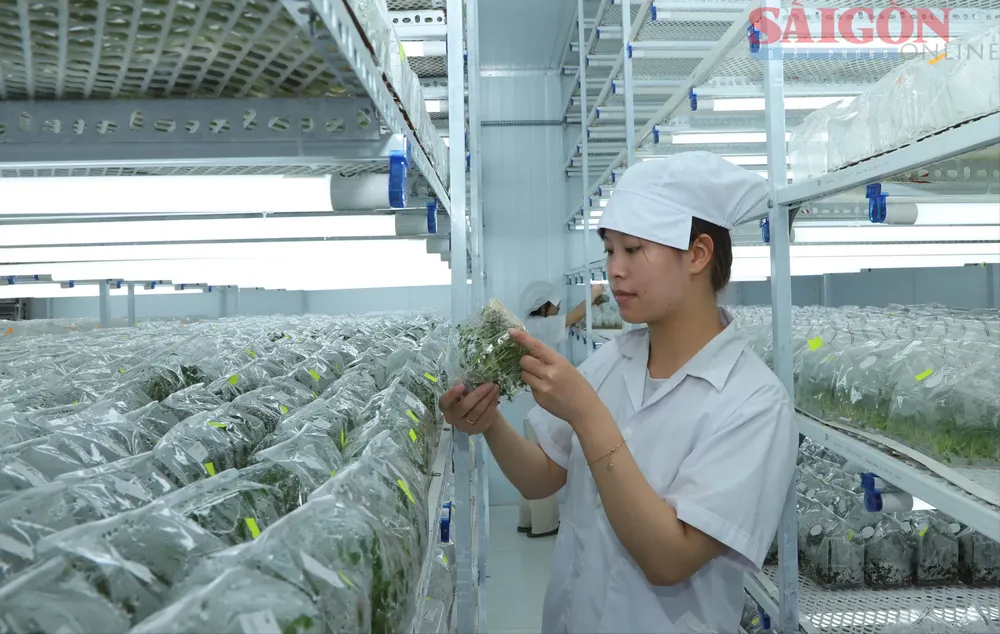
The tissue culture laboratory uses continuous artificial lighting to promote plant growth. Photo: SGGP/ Doan Kien
Chrysanthemum seedlings propagated in the laboratory are prepared for commercial distribution. Photo: SGGP/ Doan Kien
The tissue culture facility maintains a stable temperature to provide optimal growing conditions. Photo: SGGP/ Doan Kien
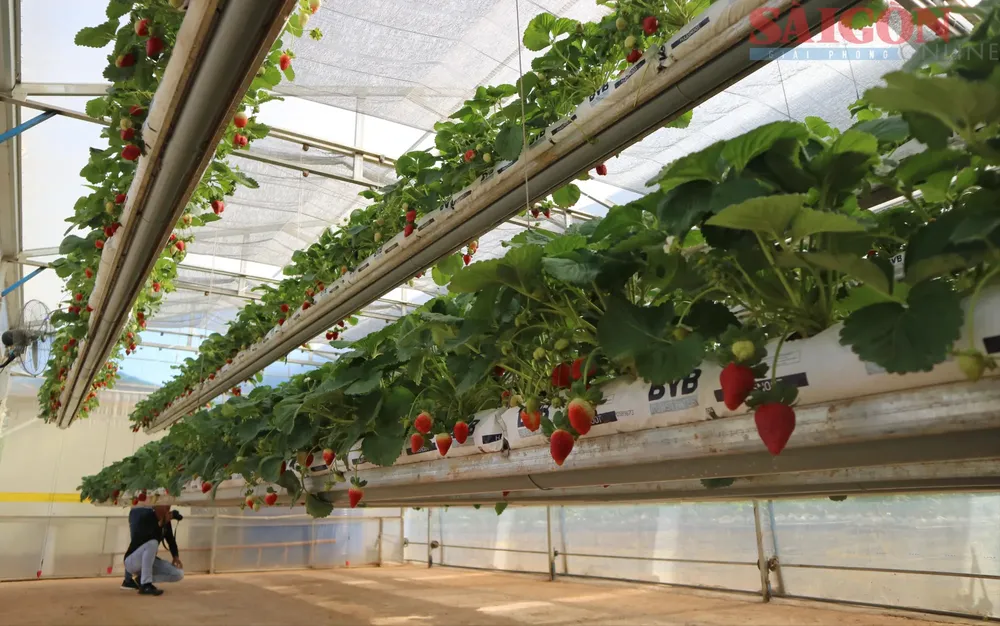
Strawberry seedlings propagated in the laboratory achieve high survival rates and improved productivity when transplanted into commercial production. Photo: SGGP/ Doan Kien
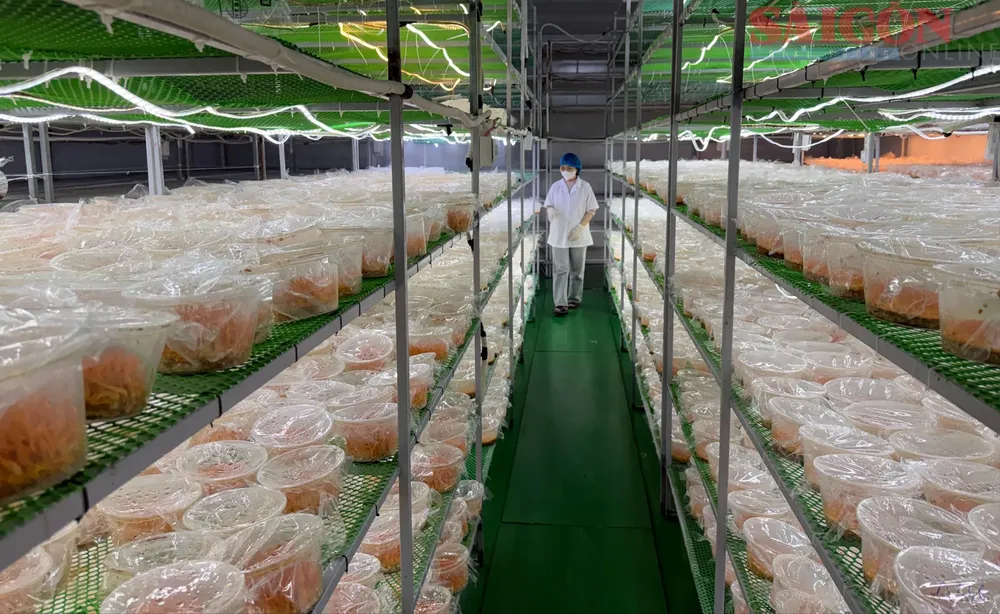
Plant tissue culture is also used to propagate medicinal plants in Da Lat. Photo: SGGP/ Doan Kien
Plant tissue culture laboratories enable the rapid mass propagation of seedlings, supporting large-scale commercial agricultural production in Da Lat–Lam Dong. Photo: SGGP/ Doan Kien
Lam Dong currently has more than 107,000 hectares of high-tech agricultural production, including 1,200 hectares dedicated to smart agriculture.
For the 2026–2030 period, the province has identified plant tissue culture as a strategic priority. Authorities aim to increase annual production capacity to more than 120 million seedlings, with a focus on high-quality flower and vegetable varieties.