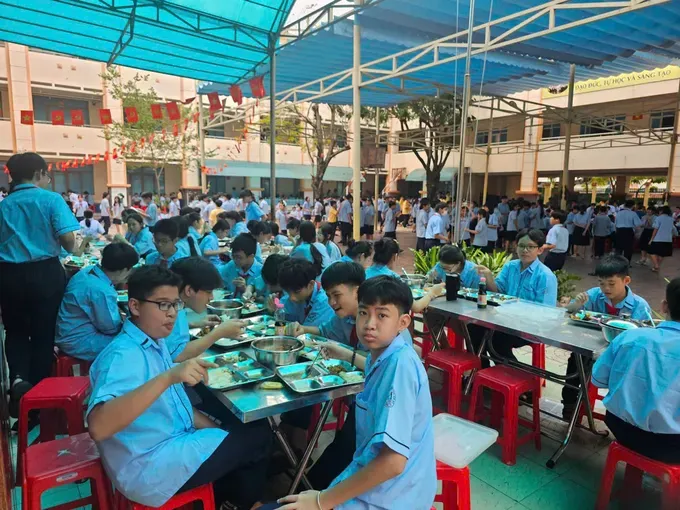
The department requires heads of preschools and general education institutions across Ho Chi Minh City to take responsibility for food safety at their respective institutions.
Accordingly, schools must urgently review and complete all administrative and legal procedures with meal providers, collective kitchens, and canteens so that boarding meals can be provided as soon as possible, in line with each school’s actual conditions and food safety regulations.
Meal providers must commit not to supply more meals per day than their actual capacity allows. They are also required to use software for developing nutritionally balanced menus that can assess the proportion of energy-providing nutrients, in accordance with nutritional guidelines issued by the Ministry of Health.
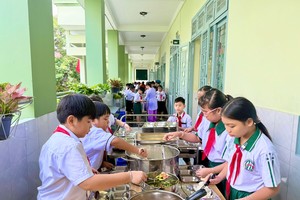
Schools must assign leaders and school health staff to directly supervise and strictly control the entire food and meal supply chain entering the school, following Ministry of Health guidelines. This is to ensure meal quality, compliance with menus, and adequate nutritional portions as required.
In particular, when parents raise concerns about meal quality, schools must receive and address the feedback within 24 hours.
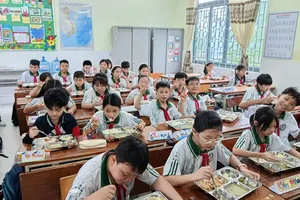
All educational institutions must provide parents with transparent and daily information—via notice boards, websites, digital applications, and online communication groups—about meal providers, ingredients, photos of food, purchase invoices, menus, and photos of the actual meal trays served to students, enabling parents to monitor and supervise the process.
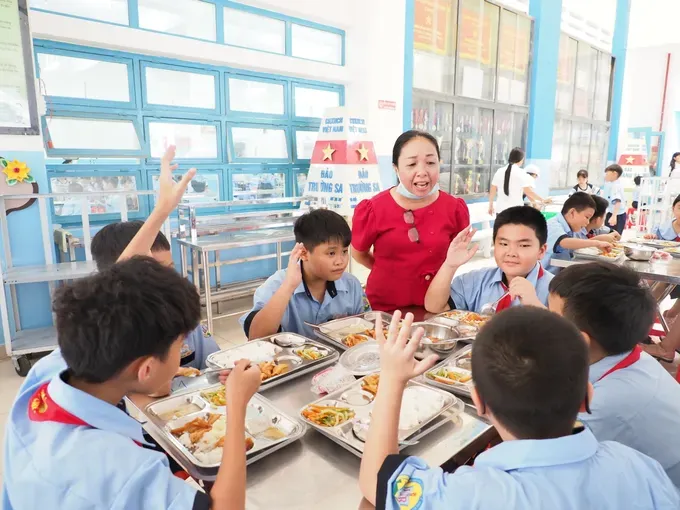
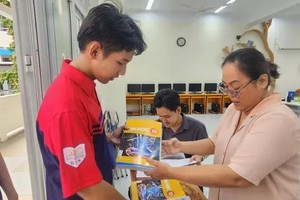
Schools must also facilitate the participation of parent representative boards in supervising food supplies and meal portioning, as well as jointly inspecting and evaluating meal quality with teachers and students. Where conditions permit, parents may conduct rapid tests on high-risk ingredients and food products and inspect food preparation areas.
For schools using meals supplied from outside, parent representative boards may request that the school head organize inspection teams to directly inspect the food preparation facilities of the suppliers.
All schools must establish procedures for preventing, responding to, and handling food safety incidents and food poisoning. They must also organize large-scale food poisoning response drills that are feasible and involve close coordination among schools, healthcare facilities, and local authorities, minimizing risks to students.
Ward, commune, and special-zone authorities are required to urgently coordinate with the Department of Education and Training, the municipal police, and the Department of Food Safety to complete relevant administrative procedures, enabling educational institutions to operate normally following restructuring and mergers. This includes arrangements for boarding meals, with the aim of minimizing disruption to students.
Ward, commune, and special-zone authorities must conduct substantive assessments of the capacity of meal providers and collective kitchens serving boarding meals, including the scale of food preparation facilities, equipment, vehicles, personnel, and experience, in relation to the number of schools and meals they are expected to supply.
No single provider should be allowed to serve an excessive number of educational institutions beyond its actual capacity, which could result in delays in meal delivery or the need to subcontract another provider without ensuring the quality and food safety standards originally committed to.