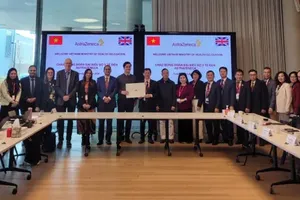
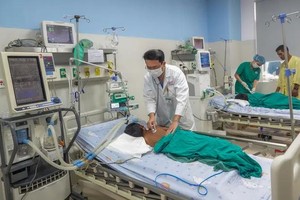
On the afternoon of March 26, a working delegation from the National Committee for Tuberculosis Eradication, led by Deputy Minister of Health Tran Van Thuan, held a working session with the Ho Chi Minh City People’s Committee to review tuberculosis (TB) prevention and control efforts in the city.
Reporting at the session, Vice Chairwoman of the municipal People’s Committee Tran Thi Dieu Thuy said that the city has achieved encouraging results in TB prevention and control in recent years; however, significant challenges remain.
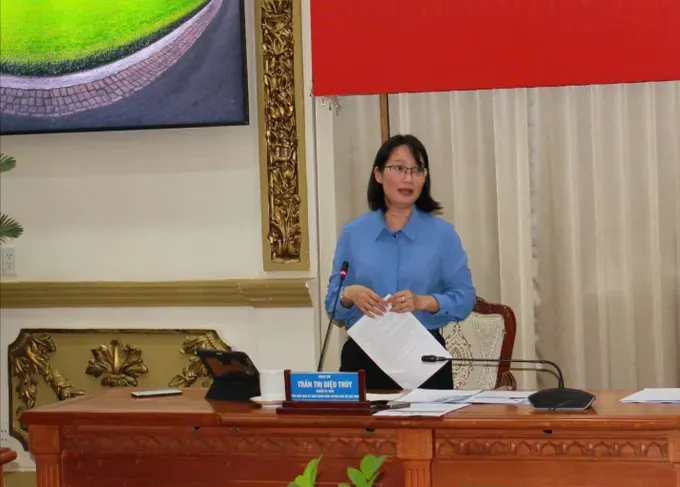
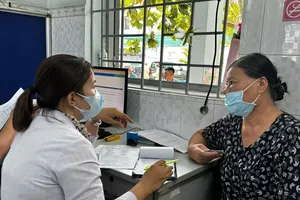
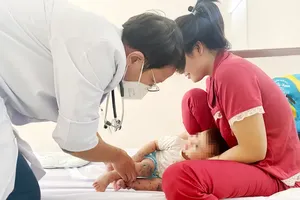
The city’s high population density increases the risk of community transmission, while screening and intervention activities have yet to fully cover high-risk groups, leading to potential missed sources of infection. In addition, coordination among different levels of the healthcare system and between public and private providers remains inconsistent, affecting overall program effectiveness.
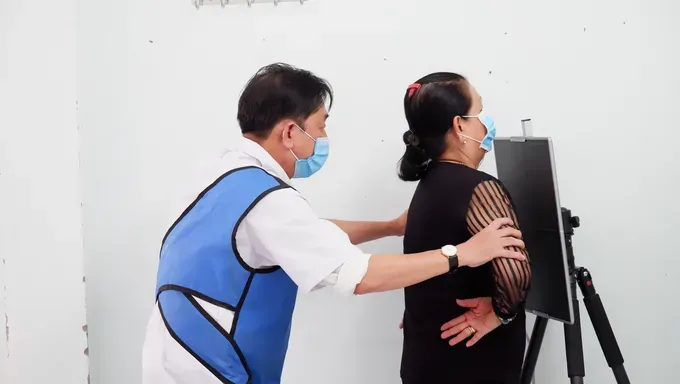
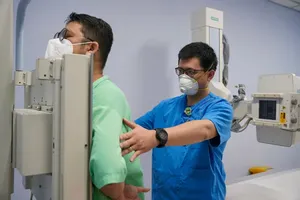
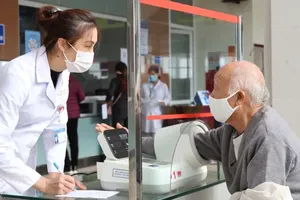
To enhance effectiveness, the city will reinforce early detection and community-based case management, while expanding proactive screening, particularly among high-risk populations. It will also accelerate the adoption of technology and artificial intelligence to identify suspected TB cases at the grassroots level. At the same time, authorities plan to improve financial mechanisms, expand insurance coverage, and ensure more affordable access to services. Efforts will further focus on mobilizing social resources and strengthening private sector participation in TB screening, diagnosis and treatment.
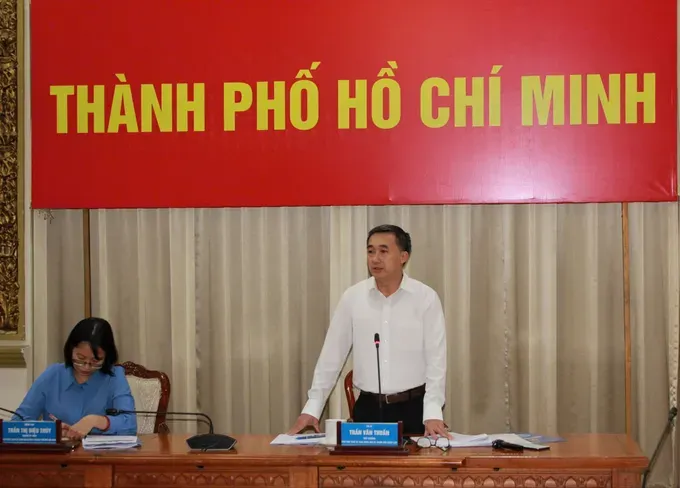
Deputy Minister Tran Van Thuan highly praised the city’s achievements, noting that to effectively combat TB and move toward eliminating the disease by 2030, Ho Chi Minh City must continue investing in infrastructure, strengthening healthcare networks and integrating TB control goals into broader socio-economic development plans. He emphasized the need for coordinated action across sectors and levels of government.
Tuberculosis prevention and control is not only the responsibility of the health sector but of the entire political system, working together to eliminate the disease by 2030, he stressed.