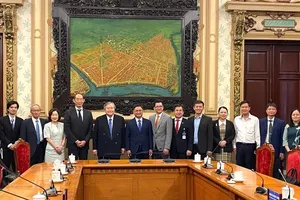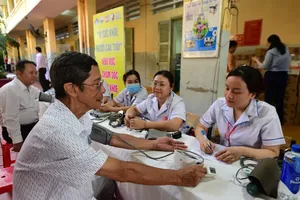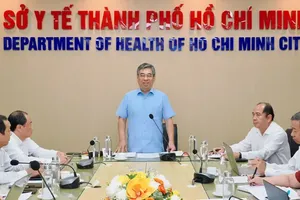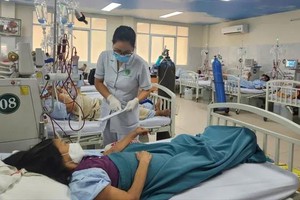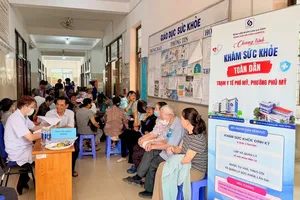
Bac Tan Uyen, Hiep Phuoc, and Dat Do communes have been selected to implement a pilot model of “continuous healthcare teams attached to residential areas” on the occasion of All-People Health Day in Vietnam (April 7).
The model embodies the spirit of family medicine, with healthcare teams proactively reaching out to each household and individual, ensuring continuous and comprehensive care at the grassroots level.
According to Assoc. Prof. Dr. Tang Chi Thuong, director of the Ho Chi Minh City Department of Health, the selection of localities with diverse demographic and socio-economic characteristics is intended to provide practical insights. This will serve as a basis for refining the model and ensuring its scalability across the city.
The initiative is expected not only to improve the quality of primary healthcare services but also to contribute to building a people-centered healthcare system that is accessible, responsive, and closely connected to the community.
Each team is structured to include one doctor, one nurse/midwife/medical assistant, and one pharmacist, along with community health collaborators, and is responsible for monitoring the health status of every household within the assigned locality.
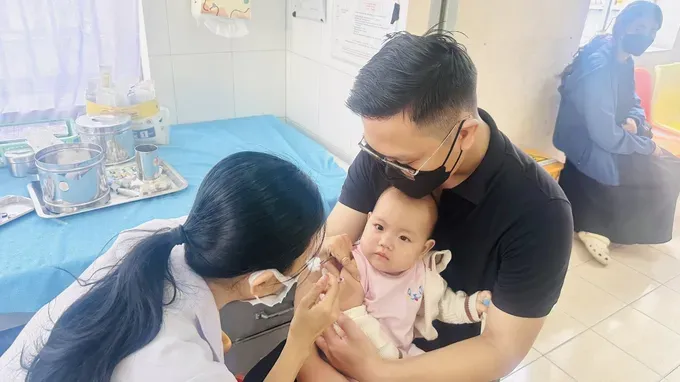
Beyond providing initial medical examinations, the teams will establish and regularly update electronic health records for each resident; manage and monitor chronic diseases; deliver care for the elderly, pregnant women, and children; and proactively detect health risks at an early stage. They will also provide consultation and guidance on disease prevention and health promotion, contributing to improved overall community well-being.
The continuous healthcare teams represent a concrete step toward institutionalizing the family medicine model in Vietnam, whereby each citizen is connected to the nearest, reliable, and long-term healthcare touchpoint.
Through these teams, each grassroots health station will gradually transform into a hub for comprehensive health management, ensuring continuous and uninterrupted monitoring while maintaining two-way coordination with higher-level hospitals and alleviating pressure on specialized treatment facilities.
This serves as a critical foundation for building a multi-tiered, multi-centered healthcare ecosystem in which primary healthcare truly assumes the role of a ‘gatekeeper’ of the system,” said Assoc. Prof. Dr. Tang Chi Thuong.
Assoc. Prof. Dr. Tang Chi Thuong emphasized that even the most well-conceived model cannot succeed without the necessary conditions to ensure effective implementation. For the continuous healthcare teams attached to residential areas, the Ho Chi Minh City health sector has clearly identified that the decisive factor lies not in the model itself, but in how it is organized and executed.
First and foremost is the substantive engagement of local authorities, coupled with the dedication and professional commitment of healthcare workers at grassroots health stations. Equally indispensable is the close, consistent, and in-depth professional guidance provided by the Department of Health. When these three elements are effectively aligned, they will form a “sustainable triangle” for primary healthcare, including authorities accompanying, healthcare workers committing, and the health sector providing strategic direction.
)