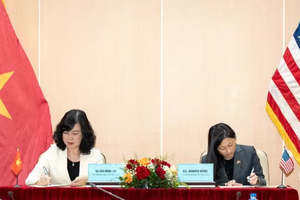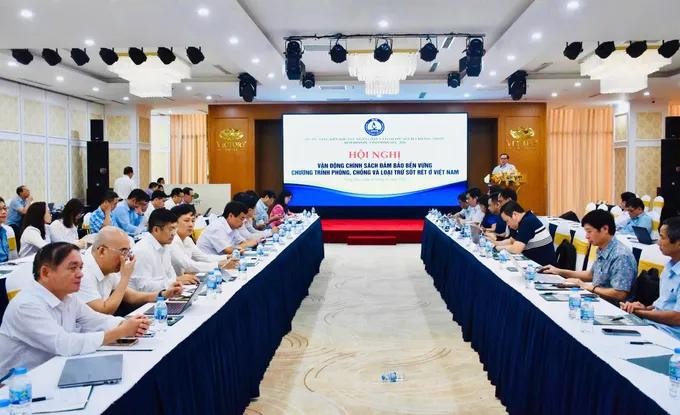
On July 31, the National Institute of Malariology, Parasitology and Entomology (NIMPE) held a policy advocacy conference on ensuring the sustainability of Vietnam's malaria prevention and elimination program.
The conference focused on discussions of the evolving epidemiological landscape, challenges during the transition period, and efforts to achieve the goal of having Vietnam certified malaria-free by the World Health Organization (WHO) by 2030.
Vietnam’s battle against malaria has reached a historic milestone. By mid-2026, 26 out of 34 provinces and cities had been officially declared malaria-free, marking a sweeping success in the country’s decades-long eradication campaign. National data shows a dramatic 97.76 percent drop in malaria cases between 2014 and 2024, culminating in a record low of just 246 cases reported in 2025.
Yet, health officials caution that the fight is far from over. As domestic transmission dwindles, the threat is shifting toward imported cases, raising concerns that cross-border infections could undermine hard-won progress. This dual challenge underscores the need for vigilance and international cooperation to ensure the Southeast Asian country’s gains are not reversed.
Data from the first 30 weeks of 2026 show that imported cases accounted for 77 percent of all reported infections, primarily among people returning from African countries. Global economic integration and international labor migration are reshaping Vietnam's malaria epidemiology. In addition, drug-resistant malaria and changes in mosquito behavior remain major obstacles.
To maintain existing achievements and fully eliminate malaria by 2030, funding needs for the 2026-2030 period are estimated at approximately VND3.6585 trillion (about US$139.6 million). Investment priorities will focus on maintaining malaria prevention systems at all levels, strengthening research and innovation, and, in particular, preventing malaria from re-emerging in areas where it has already been eliminated.
As international aid continues to decline, digital health is being viewed as a key supporting solution alongside the role of local governments.

The Clinton Health Access Initiative (CHAI) introduced an upgraded electronic Communicable Disease Surveillance (eCDS) system, which enables real-time case reporting and response within 48 hours. The upgraded platform is no longer dependent on a single vendor and allows data sharing between hospitals and provincial centers for disease control, reducing the time required to build decision-support dashboards from several months to just a few days. This capability is considered essential for early detection, rapid investigation, and timely, targeted intervention, particularly as resources become more limited.
At the recent conference, delegates turned their attention to the future of malaria elimination, spotlighting innovative tools backed by global health nonprofit PATH. The organization, known for advancing vaccines, diagnostics and control strategies worldwide, is supporting several cutting-edge interventions to tackle the persistent challenges of Plasmodium vivax malaria.
Among the highlights were point-of-care G6PD testing, which allows clinicians to safely prescribe radical cure treatments by identifying patients with enzyme deficiencies; the single-dose drug Tafenoquine, hailed as a breakthrough in simplifying malaria treatment regimens; and the PvSeroTAT strategy, which uses serological testing and treatment to target hidden reservoirs of infection.
Together, these tools represent a new frontier in malaria control, offering hope that Vietnam’s progress can be sustained and extended even as imported cases pose fresh risks.
At the conference, Dr. Nguyen Thi Thuy Van, a representative of the World Health Organization in Vietnam, outlined the malaria elimination certification process. She emphasized that Vietnam must record no indigenous malaria cases for at least 36 consecutive months. The country must also prepare comprehensive documentation, including a national action plan and detailed databases covering the previous five to 10 years, before submitting its official application to the WHO.