According to the municipal Department of Health, the city has 169 hospitals, more than 13,000 healthcare facilities, 168 commune- and ward-level health stations, and nearly 300 satellite clinics. Besides serving local residents, the city is the leading medical hub for southern Vietnam.
Director of the Department of Health Tang Chi Thuong said the scale of the system presents both opportunities and challenges, requiring healthcare providers to function as a unified network rather than as individual institutions.

The shift comes as Vietnam faces an ageing population, a growing burden of chronic diseases, and rising public expectations for high-quality healthcare close to home. Instead of concentrating resources on tertiary hospitals alone, the city aims to build a system capable of supporting residents throughout their lifelong healthcare journey.
Under the new model, healthcare is organised into interconnected levels based on people's needs rather than administrative boundaries. Patients can move seamlessly between levels while their electronic health records and treatment information remain connected through digital platforms, referral systems, telemedicine, electronic medical records, and integrated health databases.
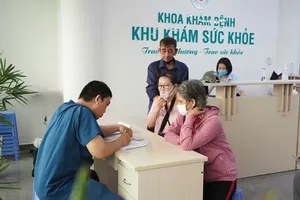
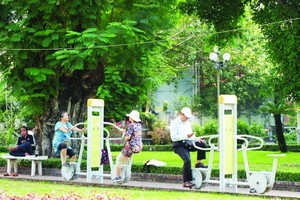
The first and most important level is primary healthcare, centered on commune- and ward-level health stations, family doctors, community healthcare teams, and continuous care services. The focus shifts from treating illness to proactively managing health through disease prevention, vaccination, regular health screening, early detection, maternal and child healthcare, elderly care, mental health services, rehabilitation, and palliative care.
City-wide health check-up programs, electronic health records, and continuous care teams are expected to strengthen this foundation, with the goal of helping residents stay healthy longer, detect diseases earlier, and reduce hospital admissions.
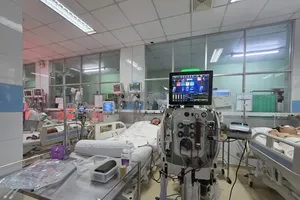
The second level comprises general treatment services, provided by regional general hospitals and gateway hospitals. These facilities will handle the majority of medical needs, including emergency care, internal medicine, surgery, obstetrics, paediatrics, rehabilitation, and other commonly required services. Strengthening this level is expected to improve access to quality healthcare while easing pressure on tertiary hospitals.
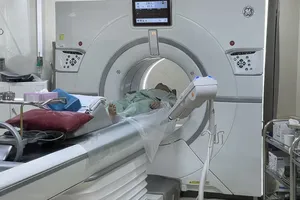
The third level focuses on specialised and advanced treatment, bringing together the city's leading specialised and tertiary hospitals. Beyond treating complex cases, these institutions will drive medical research, innovation, advanced technology development, specialist training, clinical guideline development, technology transfer, and teleconsultation, while leading professional networks under the hub-and-satellite hospital model.
According to the Department of Health, the reform represents a fundamental shift from developing individual hospitals to building an integrated healthcare network, from hospital-centred services to people-centred care, and from focusing primarily on treatment to promoting comprehensive health management.
Officials believe the model can serve as a reference for developing a modern, equitable, efficient, and sustainable healthcare system across Vietnam.