An increasing number of global retailers, importers, and major distribution networks are proactively coming to Ho Chi Minh City to identify potential suppliers and assess their manufacturing capabilities before deciding on partnerships.
This shift not only creates greater opportunities for Vietnamese exports but also underscores Ho Chi Minh City's growing role as a key connectivity hub in the global supply chain.
Reducing reliance on intermediaries
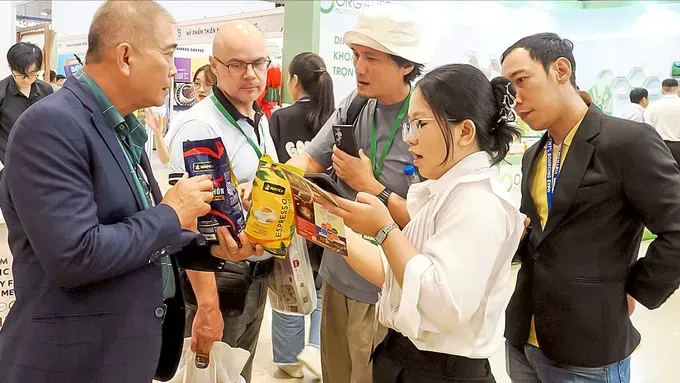
According to Mr. Vu Ba Phu, Director General of the Trade Promotion Agency under the Ministry of Industry and Trade, Vietnam International Sourcing (VIS) 2026, scheduled for early September, has already attracted registrations from hundreds of international retail groups and importers.
Major participants include Walmart from the United States; Reliance Retail, India's largest retail chain; Pagoda Group (BGY Fruits), China's leading fruit retail chain; ELOM Group from Taiwan (China); ESFLO Marketing from Mexico, as well as businesses from Brazil and many other countries, all of which will come to Vietnam to directly identify potential suppliers.
In fact, many international sourcing groups have already established a presence in Vietnam, actively seeking suppliers in the country's key export sectors. Walmart continues to look for partners in textiles and garments, footwear, consumer electronics, furniture, food products, and consumer goods. Reliance Retail is seeking long-term suppliers for India's market of more than 1.4 billion people, focusing on processed foods, household goods, furniture, textiles and garments, footwear, personal care products, and consumer electronics. Meanwhile, Pagoda is expanding its procurement of fresh fruit for its network of more than 6,000 stores across China.
These are all product categories in which Vietnam enjoys strong manufacturing advantages and has become deeply integrated into global supply chains.
The growing trend of international buyers proactively coming to Vietnam also creates opportunities for domestic businesses to access overseas markets directly, rather than relying on intermediaries.
According to Mr. Dang Tho, a representative of Sofaland JSC, owner of the Sofaland Factory brand in Hanoi, the company's first shipment of sofas exported to Mexico, while modest in scale, demonstrates that Made-in-Vietnam furniture is fully capable of meeting international market standards. With the right business connections and access to the right markets, Vietnamese enterprises can compete on the strength of their product quality, manufacturing capabilities, and ability to fulfill orders efficiently.
According to Director General of the Agency of Foreign Trade under the Ministry of Industry and Trade, Nguyen Anh Son, Vietnam's exports grew by more than 20 percent in the first half of the year, while the country recorded a trade deficit of nearly US$17 billion, underscoring the need to further diversify export markets and enhance the competitiveness of domestic enterprises.
Therefore, the Ministry of Industry and Trade is working closely with the network of Vietnam Trade Offices abroad to strengthen connections with major international distribution groups, provide up-to-date market intelligence, issue early warnings on trade barriers, and revamp trade promotion activities by bringing international buyers to Vietnam to source products directly, rather than relying solely on taking Vietnamese businesses overseas to seek business opportunities.
Meanwhile, Director of Leanwares JSC in Ho Chi Minh City, Huynh Thanh Trung, noted that many Vietnamese enterprises have made comprehensive investments in quality management, digital transformation, product traceability, greenhouse gas emissions accounting, and environmental, social and governance (ESG) practices. These efforts have laid a solid foundation for deeper integration into the supply chains of multinational corporations.
From business connections to global supply chains
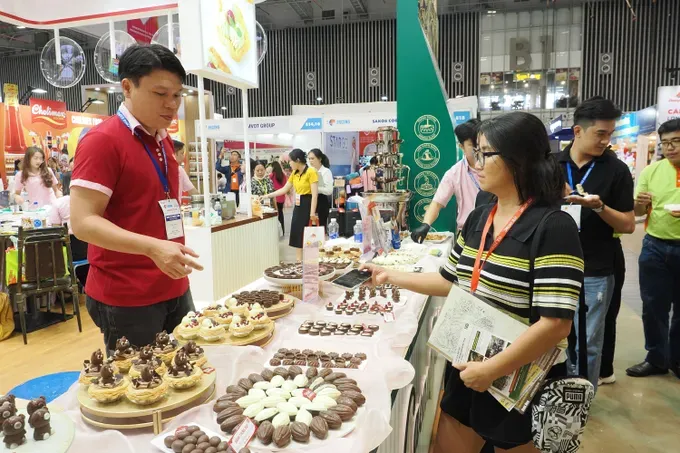
According to Ms. Tran Thi Phuong Hoa, Vice Chairwoman of the Ho Chi Minh City Food and Foodstuff Association, Vietnamese enterprises need to shift from pursuing individual certifications to building standardized management systems. Standardizing production processes, digitalizing operational data, enhancing product traceability, and implementing end-to-end quality control not only help reduce compliance costs but also strengthen credibility across multiple export markets simultaneously.
In addition, investment in technology must be closely aligned with commercial effectiveness. Modern machinery is only a prerequisite; the real competitive advantage lies in the effective use of data, artificial intelligence, and automation to forecast demand, optimize costs, improve quality control, and develop products tailored to the needs of each market.
Businesses also need to step up investment in research and development, value-added processing, packaging design, and brand building to meet growing consumer demand for green, convenient, and environmentally friendly products.
According to Vu Ba Phu, Director General of the Trade Promotion Agency under the Ministry of Industry and Trade, the growing number of global retailers and importers choosing Ho Chi Minh City as a sourcing and business-matching destination underscores the city's evolving role. Beyond serving as a venue for trade promotion events, Ho Chi Minh City is steadily emerging as a regional sourcing hub for international buyers.
As business matchmaking activities lead to factory visits, joint product development initiatives, and long-term supply agreements, Vietnamese enterprises will be better positioned to integrate more deeply into global supply chains as high-value manufacturing partners.