Ho Chi Minh City welcomed nearly 6.4 million international visitors and generated 214 trillion Vietnamese dong in tourism revenue in the first six months of 2026.
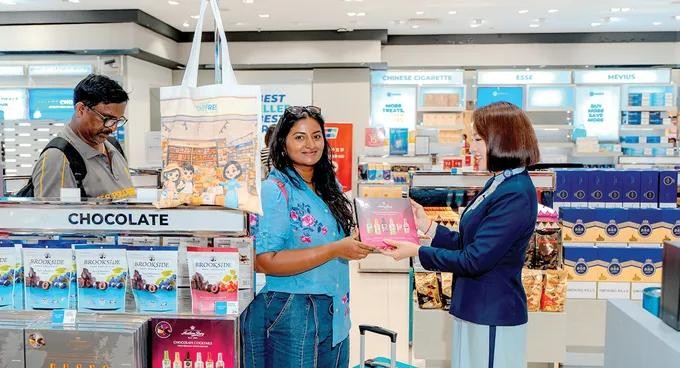
However, the city has yet to capitalize on the "gold mine" of downtown duty-free shopping, as most foreign visitors make duty-free purchases only at the airport before departing Vietnam. Decree No. 273/2026/ND-CP on duty-free business operations, which takes effect on August 21, 2026, is expected to remove this bottleneck.
Holding boxes of red pine essential oil, ginseng and cordyceps she had just purchased in South Korea, Ngoc Anh, a resident of Ho Chi Minh City, said the value of the items exceeded the cost of her tour.
Similarly, traveler Ngoc Phuong, from Hanoi, spent tens of millions of Vietnamese dong on bone and joint supplements during a trip to Thailand as gifts for relatives and friends. In many countries, signature local products have strong appeal to tourists, with shopping expenses often far exceeding the cost of the tour itself.
While many Vietnamese travelers willingly spend money on South Korea's Cheong Kwan Jang red ginseng or carefully bring home jars of Japan's Gyokuro tea after each trip, Vietnam's own national treasures, such as Ngoc Linh ginseng and centuries-old ancient tea harvested from mist-covered mountains in the Northwest, remain largely unfamiliar to international visitors. Beyond premium agricultural products, many of Vietnam's specialty goods have yet to find a place in the elegant display cases of duty-free stores as high-value gifts.
Across Asia's retail tourism landscape, shopping has evolved into an experience designed to engage visitors emotionally and stimulate all the senses. Singapore's DFS Group and Changi Airport Group, as well as Thailand's King Power, generate substantial revenue through shopping models integrated into the entire travel experience.
Tourists can browse products at leisure in downtown shopping areas, receive rapid value-added tax refunds and collect their purchases at the airport before departure.
In contrast, international visitors to Vietnam have only a brief window to shop at the airport, limiting their spending opportunities even if they are willing to spend. In Ho Chi Minh City, international travelers currently make most duty-free purchases at Tan Son Nhat International Airport through SASCO's retail system.
"We want to buy premium gifts that reflect the unique identity of your country, but they are not easy to find," said Australian tourist Kate Galloway.
According to the "Development Plan for Outlet and Duty-Free Shop Models in Vietnam to 2030, Vision to 2045" submitted by the Ministry of Industry and Trade to the Government, the ecosystem of outlet centers (selling genuine products) and duty-free shops is expected to generate approximately VND579 trillion (US$22 billion) in direct revenue, equivalent to a 10 percent growth contribution to the retail market.
By 2030, Vietnam plans to develop at least five outlet centers linked to tourism in Hanoi, Ho Chi Minh City, Da Nang, Quang Ninh, and An Giang. Further ahead, by 2045, high-end outlet villages will be established in all three regions. Simultaneously, the network of duty-free shops will be expanded from airports and border crossings to urban tourist areas.
Downtown duty-free policy shift to boost tourism and retail
Responding to market demand, a major policy shift is creating new opportunities for the retail and tourism sectors in Ho Chi Minh City and across Vietnam. During consultations on Decree No. 273/2026/ND-CP, tourism authorities and travel companies in Ho Chi Minh City also developed implementation plans.
According to Nguyen Nguyen Phuong, Deputy Director of the Ho Chi Minh City Department of Industry and Trade, downtown duty-free shopping centers and stores have been incorporated into the city's commercial development strategy, providing a boost to the nighttime economy and the MICE sector, which combines meetings, incentives, conferences and exhibitions. The department has also proposed that ministries and agencies study solutions allowing value-added tax refunds at shopping malls, enabling tourists to receive refunds immediately and continue spending.
Meanwhile, Imex Pan Pacific Group (IPPG) is working with China Duty Free Group (CDF) to advance plans for a large downtown duty-free retail complex.
Travel companies said the positive policy changes represent a major turning point for Vietnam's tourism industry. Once existing barriers are removed, downtown duty-free centers will not only sell imported goods but could also become a launch pad for promoting Vietnamese products.
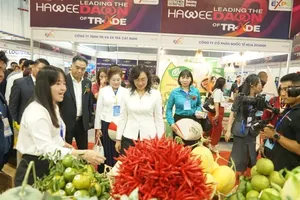
According to Lai Minh Duy, Chief Executive Officer of TSTtourist, products such as Ngoc Linh ginseng, specialty coffee, premium ancient tea and regional specialties require greater investment in quality, packaging design and brand storytelling. Displayed in upscale duty-free shopping environments and supported by professional services, each Vietnamese product could gain added value and become a cultural ambassador that visitors proudly take home.
If Vietnam succeeds in unlocking this "gold mine," tourist spending in Ho Chi Minh City and across the country will gain new momentum for growth, while supply chains for domestic specialty products will receive a significant boost, contributing to the country's goal of achieving double-digit economic growth.