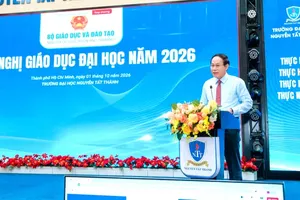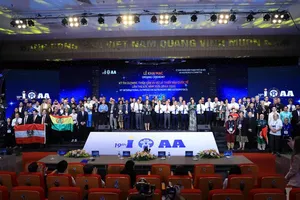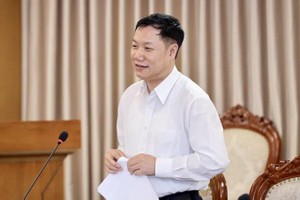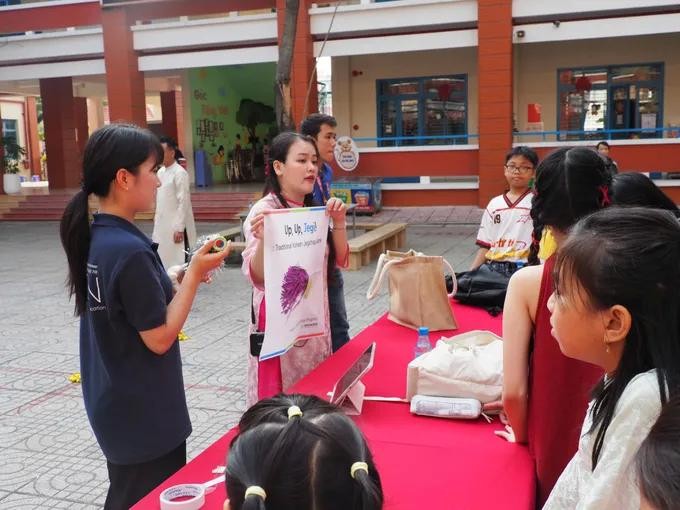
This morning, representatives from various departments and agencies, the People's Committees of wards/communes, and school principals proposed numerous solutions to improve the quality of international cooperation at the workshop "Improving the Quality of Foreign Relations and International Integration in the Education and Training Sector" organized by the Ho Chi Minh City Department of Education and Training.
Le Thuy My Chau, Deputy Director of the Ho Chi Minh City Department of Education and Training, stated that Ho Chi Minh City currently has 2.6 million students. With a tradition of being a leading locality nationwide in piloting educational reform mechanisms, international integration is no longer an optional factor but has become a prerequisite for training generations of global citizens.
In recent years, a series of Party directives, National Assembly resolutions, and projects issued by the Ho Chi Minh City People’s Committee have provided an important legal foundation for turning policy into practical action, with the goal of building an education system that meets international standards while remaining suited to Vietnam’s realities.
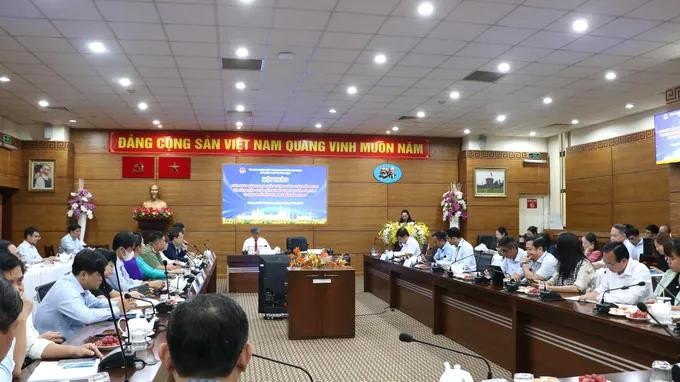
In order to improve the quality of foreign relations and facilitate international integration, Ms. Le Thuy My Chau emphasized that the education sector will focus on five primary solution groups. First, it will standardize governance processes by establishing clear procedures, implementing robust decentralization, and ensuring thorough post-audit oversight.
Second, it will develop a core team dedicated to foreign affairs and international cooperation while promoting innovative strategies for managing international education.
Third, it will digitize diplomatic and cooperative activities, with an increased emphasis on the application of artificial intelligence and digital transformation.
Fourth, it will expand foreign programs and enhance the recognition of international diplomas and certificates.
Finally, it will mobilize comprehensive resources to create favorable conditions for schools to engage with the international environment.
As stated by Ho Tan Minh, Chief of the Office of the Ho Chi Minh City Department of Education and Training, the implementation of the two-tiered local government model has led to significant changes in the process of foreign cooperation compared to previous practices. The Ho Chi Minh City Department of Education and Training emphasizes the necessity for uniformity among the 168 wards, communes, and educational institutions throughout the city to guarantee proper and standardized implementation.
Statistics show that in 2025, the education and training sector received approximately 300 foreign delegations visiting and working at educational institutions in the city. However, some exchange activities were spontaneous, concentrated in a few well-performing units, and have not become a synchronized activity throughout the sector.
Mr. Ho Tan Minh proposed that educational institutions prioritize foreign relations and international integration as a fundamental objective in their annual educational activity plans, ensuring that implementation strategies are systematic and detailed, thereby avoiding a reactive stance in engaging with delegations or pursuing objectives that do not contribute to education.
In the future, international cooperation will be recognized as one of the criteria for evaluation among educational institutions.
With respect to the departments and agencies, recommendations were made for the education sector to initiate a foreign language learning campaign across the sector to bolster the self-sufficiency of management personnel and educators. Concurrently, emphasis should be placed on training the team responsible for foreign affairs, which includes expertise in foreign affairs, communication skills, and the ability to operate in an international setting.