High living costs and difficulties in accumulating savings have prompted many workers to leave Ho Chi Minh City and return to their hometowns. This shift in manual labor is posing challenges for businesses in retaining their workforce.

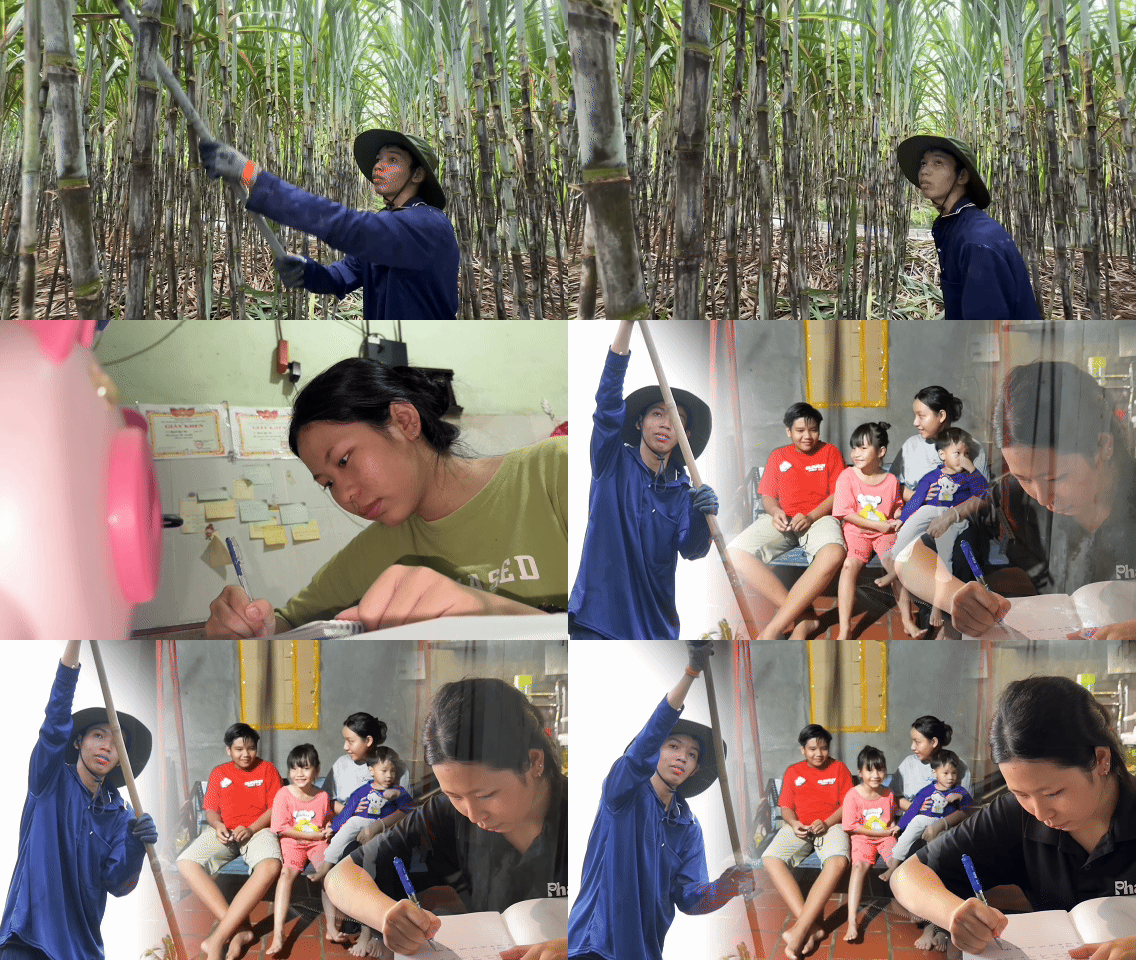
After 13 years of making a living in Ho Chi Minh City without being able to save any money, the four-member family of Nguyen Thi Ngoc Nga, who worked at Binh Chieu Industrial Park in Ho Chi Minh City, recently decided to move back to Lam Dong Province to live and work long-term.
Worker Nguyen Thi Ngoc Nga shared that over the past two years, living expenses have become more expensive while a worker's basic salary is less than VND6 million (US$240) per month. Low income paired with rising costs left her family's finances in constant struggle.
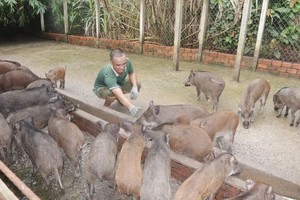
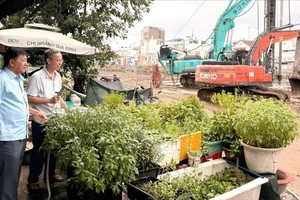
Talking about her decision to move back home, Nga said there is no shortage of jobs in her hometown now, the wages are comparable to the city, and food and drinks are cheap. More importantly, her family get to live close to relatives; therefore, they don't have to worry about rent, electricity, or water bills every month, so the pressure has eased considerably.
Many other workers in Ho Chi Minh City also reported that low wages and high expenses, such as rent, fuel, electricity, and water, leave them with no money left by the end of the month.
Garment worker Nguyen Thi Hanh, who spent many years at Tan Thoi Hiep Industrial Park in Ho Chi Minh City before returning to My Tho in Dong Thap Province, said that although wages in her hometown are VND1 million-VND2 million lower, the cheaper cost of living, proximity to family, and lower childcare expenses make life much more comfortable.
The departure of many workers from Ho Chi Minh City has left a major gap for export processing zones and industrial parks operating in the area. Several businesses have had to urgently hire seasonal workers or rely on continuous overtime, placing heavy pressure on the remaining workforce.
Director Hoang Thi Minh Ngoc of the job portal Viec lam tot ( Good Job) noted that the manufacturing and processing sector consistently accounts for a large proportion of foreign direct investment (FDI) flowing into Vietnam. However, these capital flows are concentrating less in central cities and gradually shifting toward neighboring areas. Examples include Coca-Cola investing in a US$136 million factory in Tay Ninh Province in 2025, and Vissan inaugurating a new factory in Thanh Loi Commune, Tay Ninh Province, in November 2026.
This shift has altered the distribution of manufacturing labor, forcing enterprises to recalculate their recruitment and retention strategies.
Under the initial impact of this factory relocation trend, recruitment demand for manufacturing jobs has surged in provinces bordering Ho Chi Minh City, particularly within industrial parks. To attract and retain workers, employers are rolling out practical support policies, including fuel allowances, shuttle buses, and housing subsidies in the new areas.
Faced with workers leaving Ho Chi Minh City, the city risks facing a labor shortage. Labor experts suggest that the city needs to develop social housing, schools, and healthcare facilities for workers, while improving their skills and incomes so they can feel secure staying in the city. These are crucial conditions to curb labor migration and maintain its position as the country's largest economic hub.
Associate Professor Nguyen Duc Loc, Director of the Social Life Research Institute, emphasized that Ho Chi Minh City needs to be selective with investment projects, prioritizing high-tech and science-intensive industries while gradually reducing labor-intensive sectors. The trend of workers leaving urban areas for their hometowns reflects a shift in lifestyles and employment choices.
While bringing benefits to individuals and society, this trend also presents challenges that must be addressed to ensure sustainable development. With support from the Government, businesses, and the community, returning to hometowns can help workers improve their quality of life while promoting rural development.